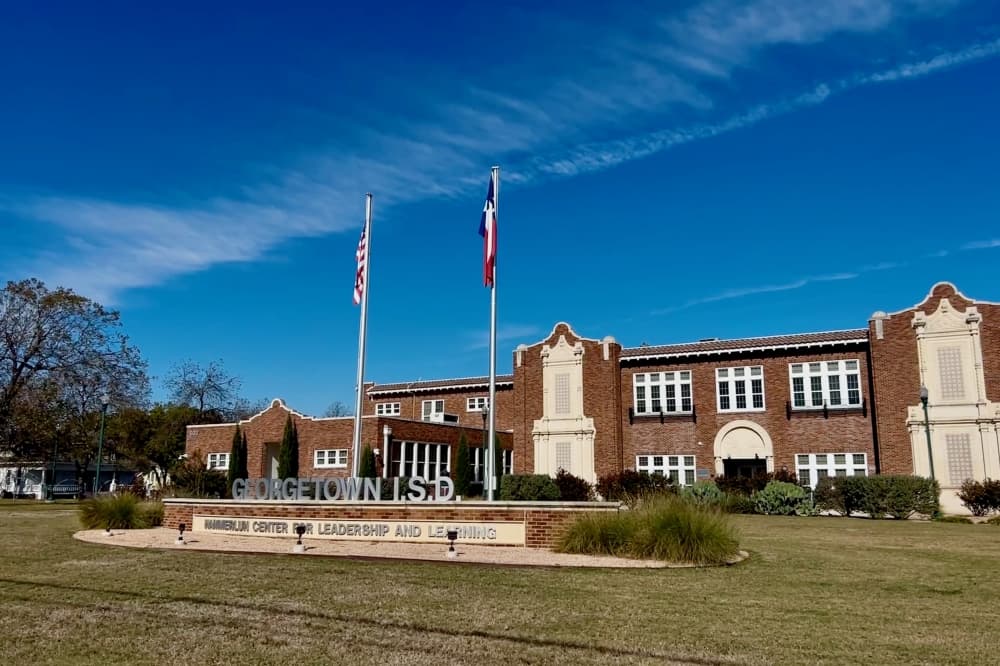
Georgetown ISD’s board of trustees discussed the possibility of closing campuses, increasing class sizes and cutting positions in its first workshop after the district’s tax rate election failed.
How we got here
While GISD passed a balanced budget for the 2026-27 school year, the district did not provide district-wide pay raises. To raise revenue for compensation increases, the district called a tax rate election to increase GISD’s maintenance and operations tax rate by $0.09 per $100 valuation.
Georgetown ISD Proposition A, the proposed tax rate increase, failed by 3.12 percentage points during the Nov. 3 general election.
While newly elected Democrats have proposed new policies intended to strengthen public education, GISD Superintendent Devin Padavil said the results of the upcoming legislative session would likely not take effect until June.
“It's irresponsible for us as a school district to hope that there's a positive result for public schools in June, and not plan for if it doesn't work,” Padavil said during a special board workshop Nov. 10. “It is our responsibility to do what we need to do to reduce expenditures so that we're able to find a pathway to increasing compensation for all of our staff.”
Since the district cut its interest and sinking tax rate, GISD's combined tax rate is now $1.0206 per $100 valuation.
What are the options?
During the Nov. 10 workshop, trustee Laura Kincheloe said the board should consider whether to decide to close under-enrolled schools. Padavil said the district's growth has been asymmetrical as some areas are expanding faster than others.
Trustee Stacy McLaughlin said closing schools could avoid “a million minor cuts.”
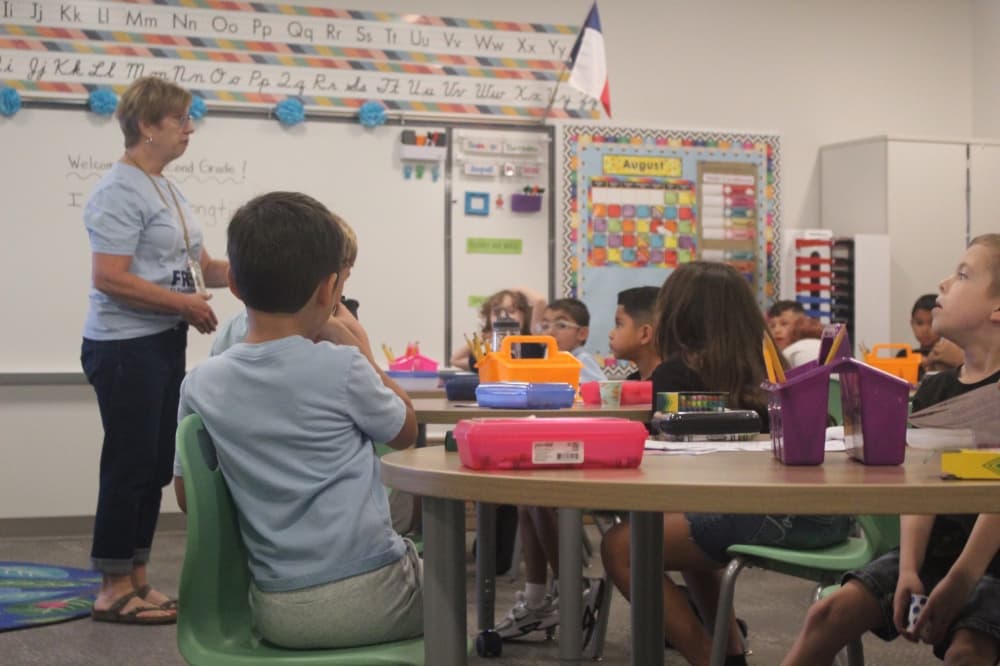
Board members also considered the impact of changing class sizes across different grade levels. Smaller class sizes for earlier grades can maintain foundational skills, district staff said.
District leaders also discussed the level of GISD’s fund balance. A lower fund balance could lead to lower financial ratings, which could then affect the district’s interest rates for bonds, district leaders said.
GISD leaders previously discussed cost-cutting measures like increasing class sizes, trimming student programming and reducing field trips during a Sept. 8 board workshop.
What they’re saying
GISD leaders outlined key priorities for the district during the workshop. Ranked by GISD trustees, the top five priorities for the year were:
Prioritizing excellence in student academics and the quality of instruction, staff and curriculum
Nurturing and maintaining student experiences, including fostering belonging for students through programming and extracurricular activities
Retaining high-quality teachers by increasing compensation and investing in their professional development
Maintaining a balanced budget
Protecting class sizes
Board President James Scherer said he believes that the district will face a financial conflict between its priorities, which would impact students.
“Somewhere, someone’s going to lose in this equation,” Scherer said. “There's no magical, fun happy ending where there's no negative impact to anybody anymore. That wasn't the option we were afforded by the outcome of the election.”
Board members also ranked key parameters guiding the district’s decisions. The top five parameters were:
Making decisions that are best for maintaining student outcome growth
Ensuring adequate staff and resources to support teachers in the classroom
Considering decisions about maintaining under-enrolled schools
Considering whether and how a decision negatively impacts students or student outcomes
Providing the expertise where the board lacks it, which would include seeking staff input