For years, Bastrop residents have left the area for specialty and inpatient care. Now, city leaders are studying whether a full-service, acute care hospital could work closer to home.
In April, Bastrop City Council advanced a second round of analysis after reviewing a feasibility study by health care consulting firm Pershing Yoakley & Associates.
The study examined demographics, inpatient demand, patient migration and market conditions across a 37-ZIP-code service area—or about a 30-minute drive—surrounding Bastrop.
Among its findings: facilities in Bastrop are “insufficient,” and the region is short about 523 hospital beds—forcing 97% of residents to leave for inpatient, specialty and acute care.
“Ninety-seven percent of our people leave the area for care. Ninety-seven percent,” Bastrop City Manager Sylvia Carrillo-Trevino said. “If that isn’t an opportunity [for a hospital], I don’t know what is.”
What’s happening
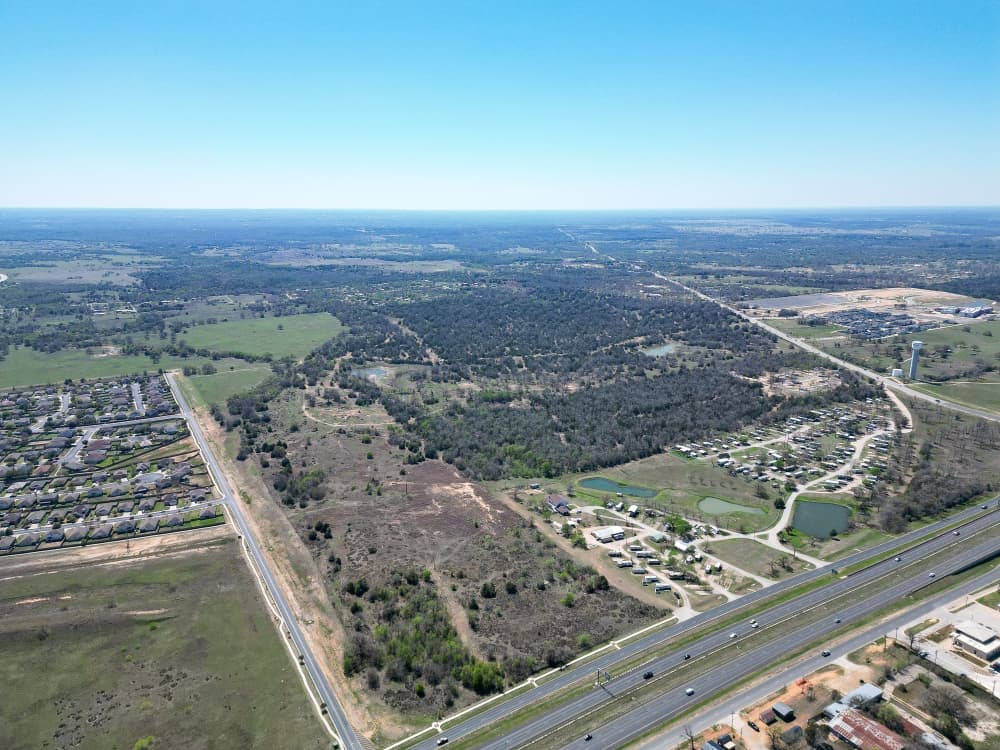
The 26-acre hospital site is proposed within Bastrop West, a roughly 400-acre mixed-use development near FM 20 and SH 71 that could also host a hotel and convention center, multifamily housing, and retail and dining options.
About 609,000 residents live in the study area, which is projected to grow about 2% annually through 2030—double the 1% annual growth rate projected statewide, according to data from the Texas Demographic Center.
PYA researchers said the Bastrop area’s acute care facilities are “insufficient,” with just one hospital offering eight inpatient beds at Ascension Seton Smithville, compared to a demand of about 523.
The findings build on concerns that residents, providers and community leaders have discussed for years—even before the closure of St. Mark’s Medical Center in La Grange in 2023, which Carrillo-Trevino said was “a big deal” and “a big factor” in talks about the hospital study area.
Bringing a hospital to Bastrop would require more than just a demonstrated need, officials said, as funding must also be secured. The concept carries an estimated $150 million price tag—but officials emphasized it would neither be paid for nor run by the city.
Instead, Carrillo-Trevino said the city’s cost at this stage is largely to provide infrastructure and to serve as a “double checker” as partnerships are explored. She said she plans to first meet with the health care systems already serving Bastrop-area patients.
“I’ve already had people come visit me,” she teased.
Why it matters
Access to health care continues to be one of the most pressing challenges for the rapidly growing and largely rural community.
Norma Mercado, executive director of Bastrop County Cares, said she often hears about residents delaying care because of barriers such as cost and transportation, especially with limited options in Bastrop.
“In some cases, individuals rely on emergency departments for care that could have been addressed earlier through stronger local health care infrastructure,” Mercado said.
The nonprofit works with community partners to connect residents with resources and address needs related to health, education and economic stability.
That Bastrop County has a shortage of medical providers is no question, said Donna Nichols, Bastrop County Public Health director, noting that “residents should be able to seek available and accessible health care solutions in the place they call home.”
What comes next
While no timeline has been assigned to the next round of studies, leaders said the goal is to take a measured approach to get it right.
“We’re being responsible. We’re being transparent,” Bastrop Mayor Ishmael Harris said. “We want to make sure we’re going about it the right way.”