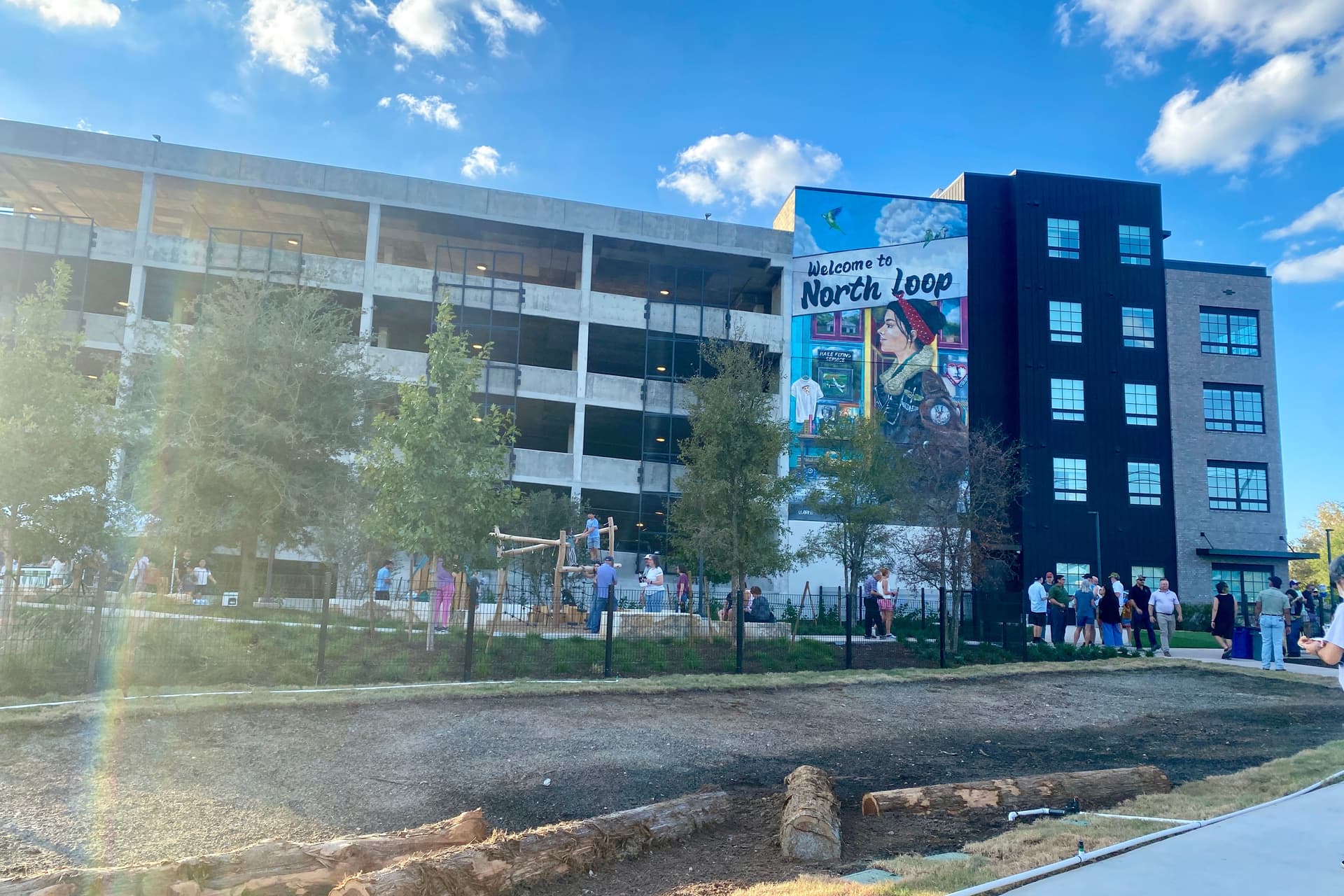
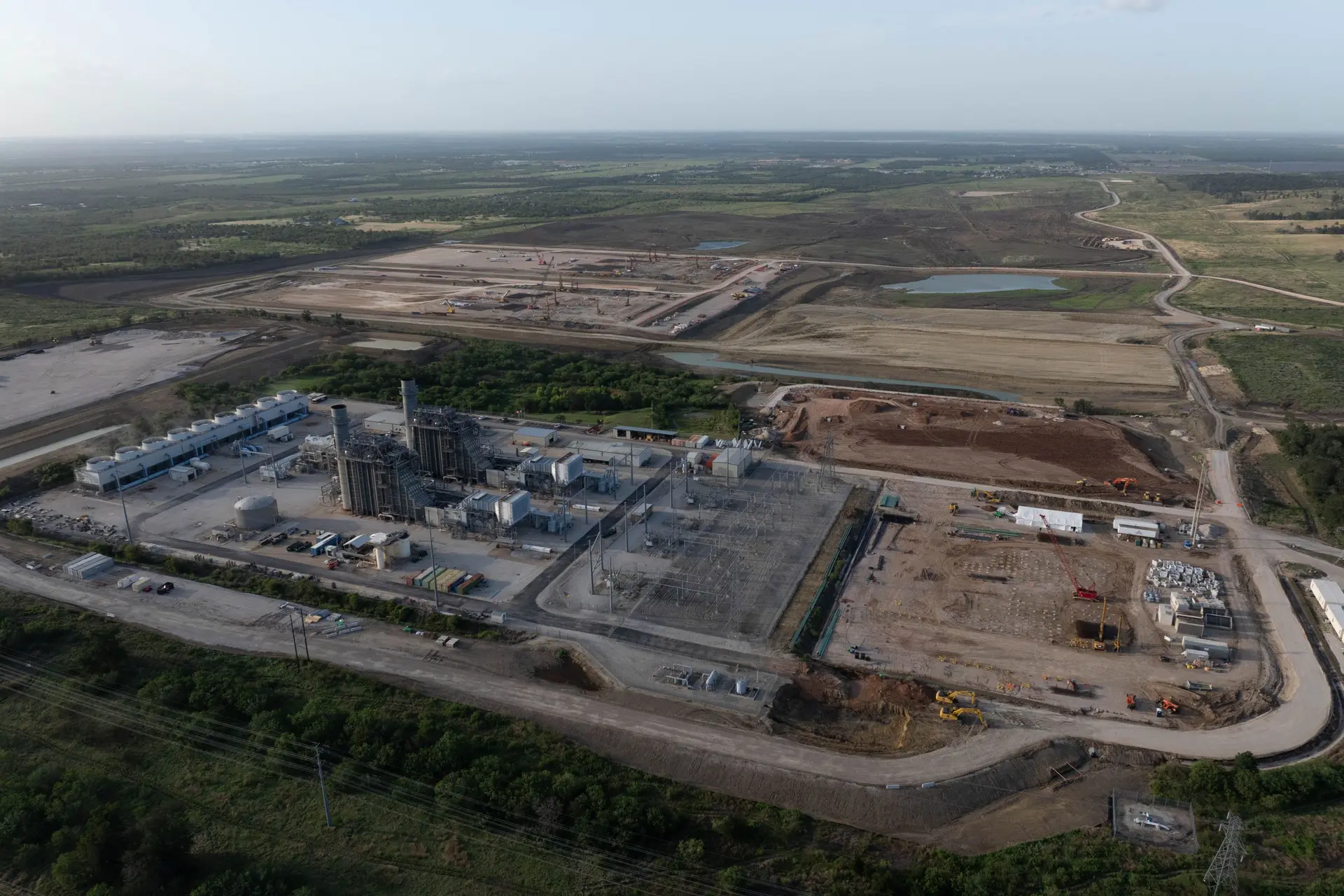
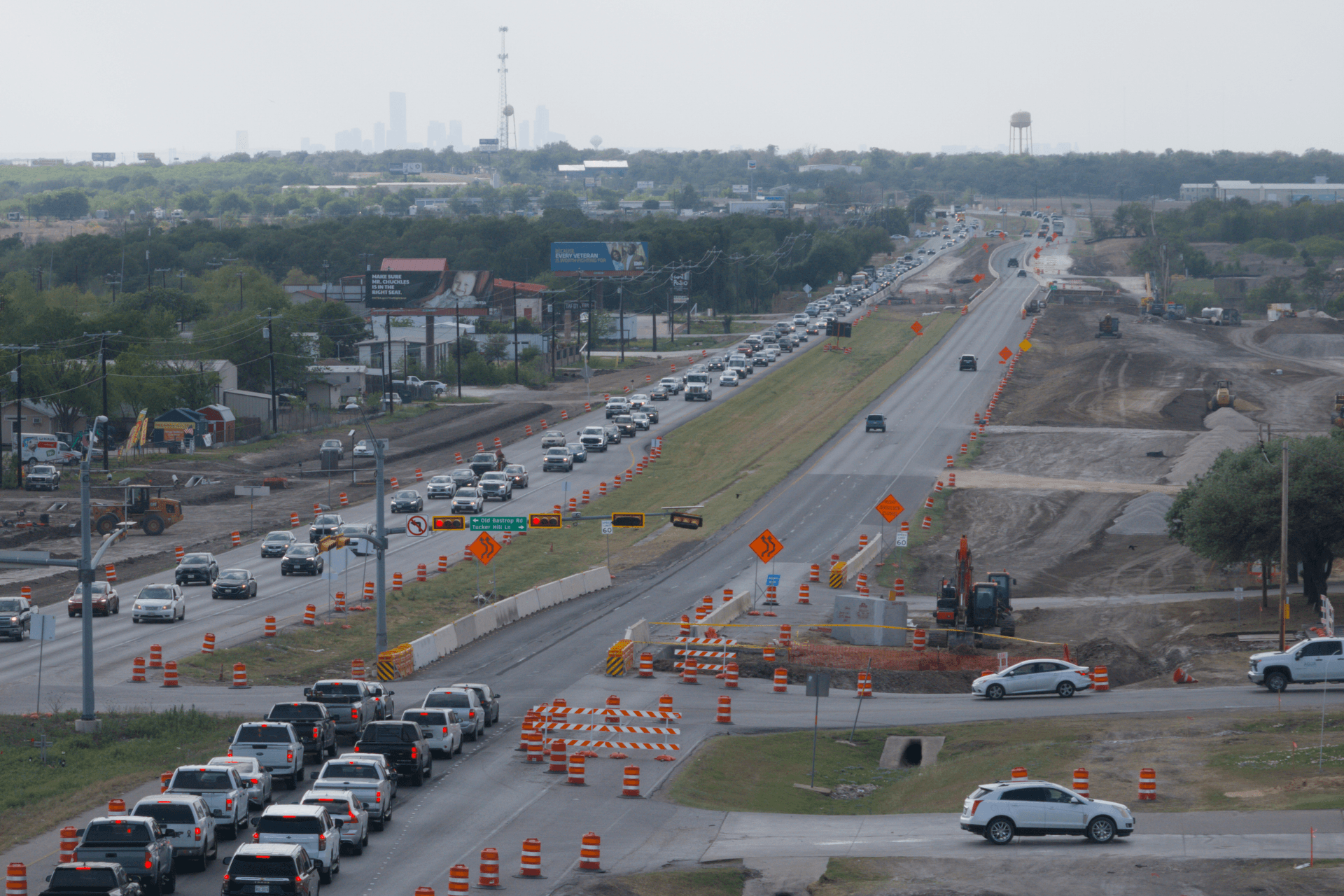
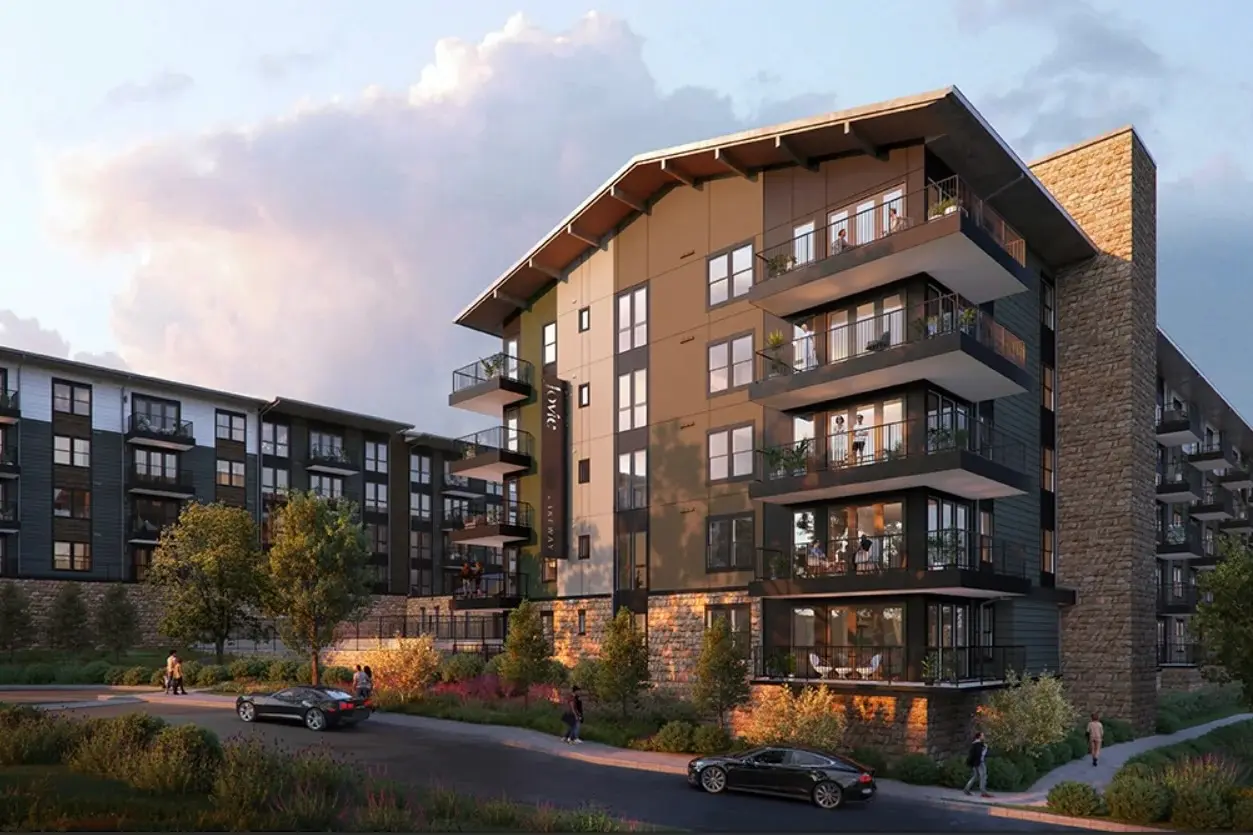
In 2024, Central Texas saw a wide range of development, from utilities expansion to new grocery stores. (Courtesy city of Kyle)
In Central Texas, hundreds of developments broke ground and businesses opened their doors, and city councils, commissioners courts and school boards met for thousands of hours.
Here is a look back at some of the biggest development trends in 2024.
Tech companies
Williamson County continued to see an influx in technology companies spurred in part by Samsung’s 2021 announcement of a multibillion dollar factory in Taylor.
In February, Community Impact looked at the increase of data centers in Williamson County driven by the increase in technology companies in the area following Samsung’s 2021 announcement of a multibillion dollar factory in Taylor. Later, the city of Bastrop passed an incentives package with the hopes of drawing another data center—a multibillion project—to the Central Texas area.
In September, at a press conference held at a Taylor ISD campus, South Korean Ambassador to the U.S. Hyundong Cho said: “When it comes to the relations between Korea and this great state of Texas, our economic and trade and investment relations has never been brighter. Texas has become the top destination of Korea’s investment in the United States.”
In October, The University of Texas announced renovations for the Tower.
However, the most visible change to UT’s campus came from the demolition of the Frank Erwin Center to make way for two hospital towers—The University of Texas MD Anderson Cancer Center and a UT Austin hospital—which were announced in August 2023.
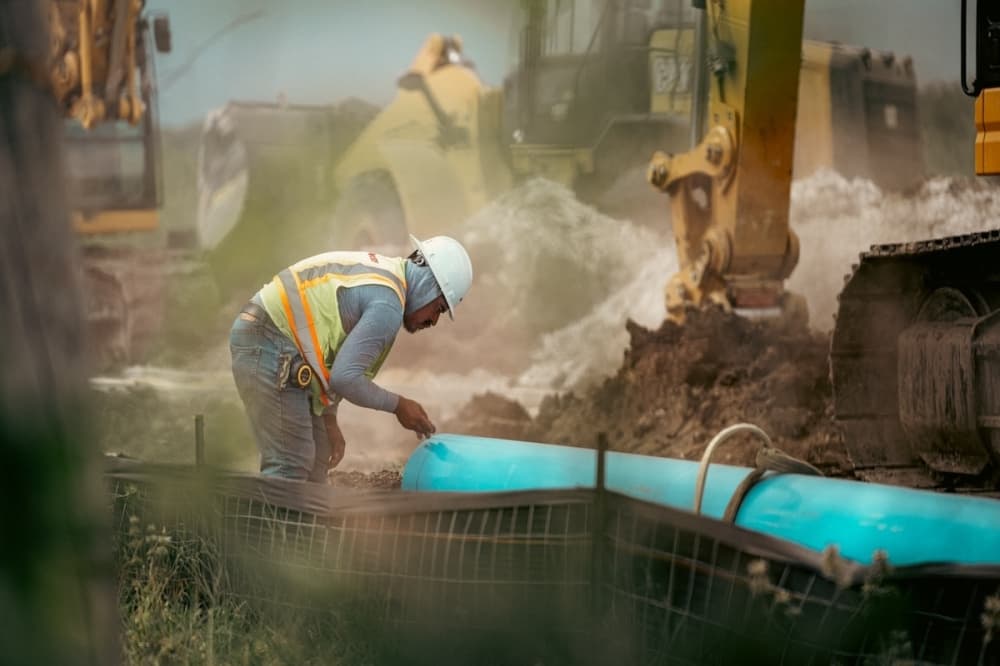
Between population growth in recent years, expanding development and continued drought, many cities grappled with infrastructure expansion needs. One issue faced by several Austin-area cities was wastewater capacity issues.
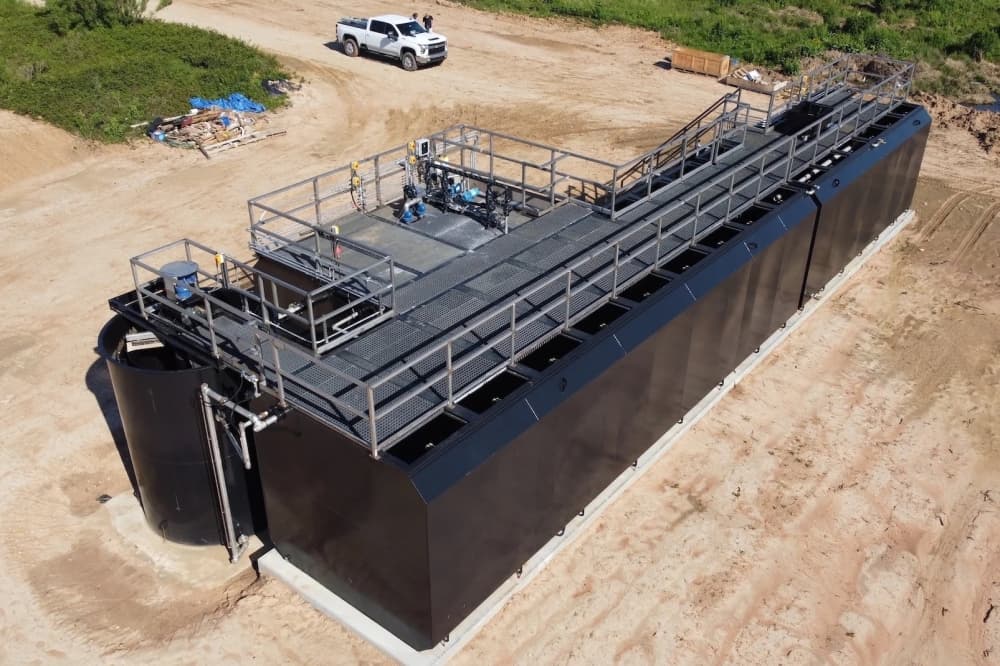
Manufacturers ship package plants nationally for wastewater treatment in small communities, mobile home parks, schools, recreational areas, prisons and more. (Courtesy DPI Water Solutions)
In a draft of the city’s Comprehensive Plan, the city said: “As a result [of the lawsuit], all plans for this necessary expansion of facilities have been halted. Currently, the system is at or near capacity, so while the city was thinking ahead in both planning and in securing funding for these improvements, their efforts to provide this necessary service has been thwarted by this lawsuit. The Texas Supreme Court will hear oral arguments on the case in October 2024 and the city is still optimistic that this lawsuit will be resolved and that the infrastructure plans will be carried out.”
Further reporting on the comprehensive plan can be found here.
To the north, Liberty Hill is also facing challenges to its wastewater expansion efforts. In order to expand its capacity, TCEQ mandated that the city reduce the amount of phosphorus in its treated wastewater effluent, which is released into the San Gabriel River. Residents in Liberty Hill and Georgetown have complained about algae blooms in the water due to the phosphorus. Heading into the new year, the city is working on solutions to meet the limit.
The city of Austin is working on potential plans to remove and relocate a wastewater pipe that runs under Barton Springs and serves Westlake and Rollingwood.
Community reaction
Throughout the year, several groups protested various developments throughout the metro.
Environmental organizations and residents pushed back against a proposed 1,400-acre development, Mirasol Springs, and its proposed permitting for groundwater collection and water diversion from the nearby Pedernales River. Mirasol Springs would include dozens of new homes, a 73-room hotel, two restaurants and a research station for The University of Texas, according to previous reporting by Community Impact.
As plans for the Fitzhugh music venue in Dripping Springs continued, residents lodged protests, including speaking up at a county commissioner meeting where officials discussed widening the road as part of its transportation bond.