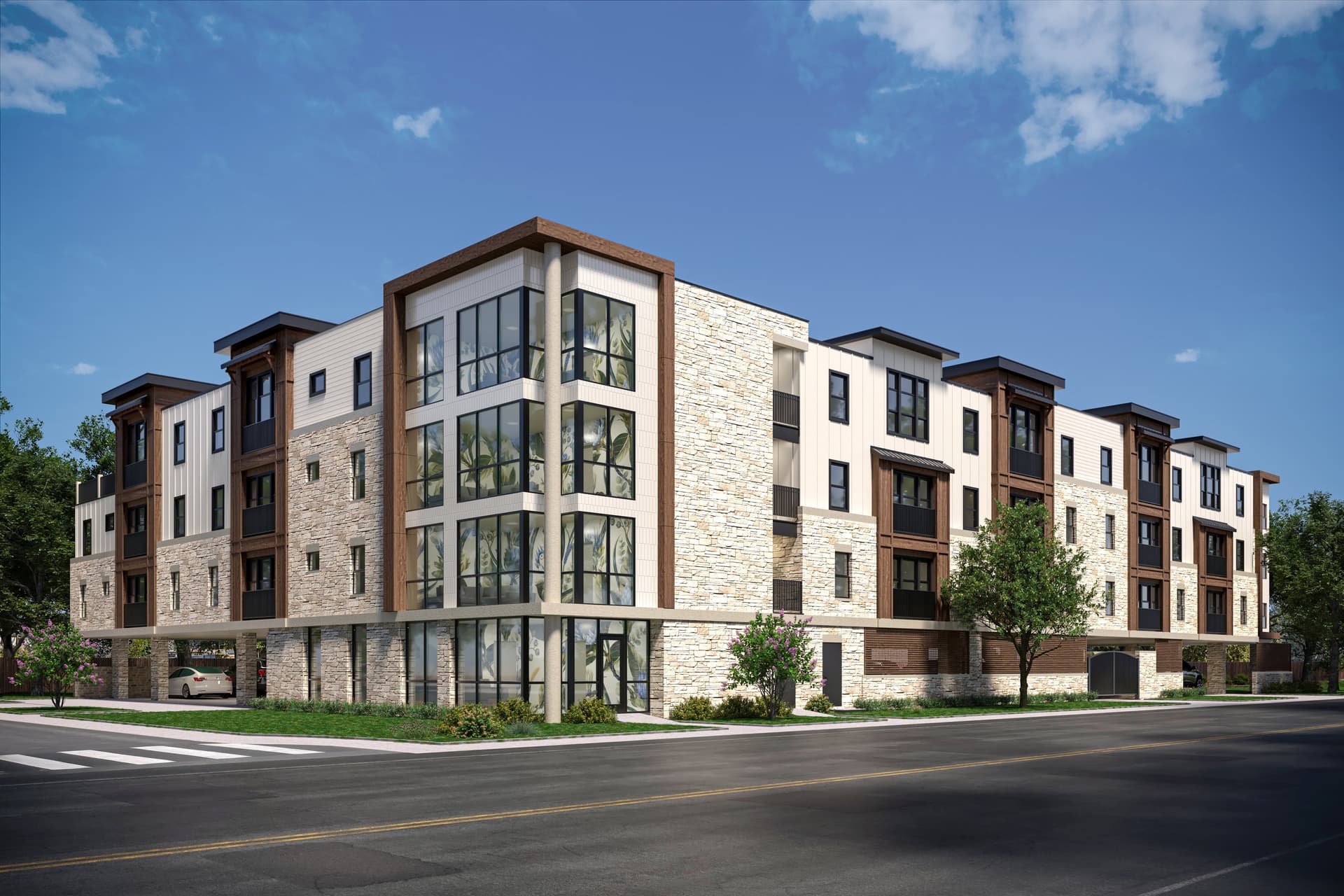
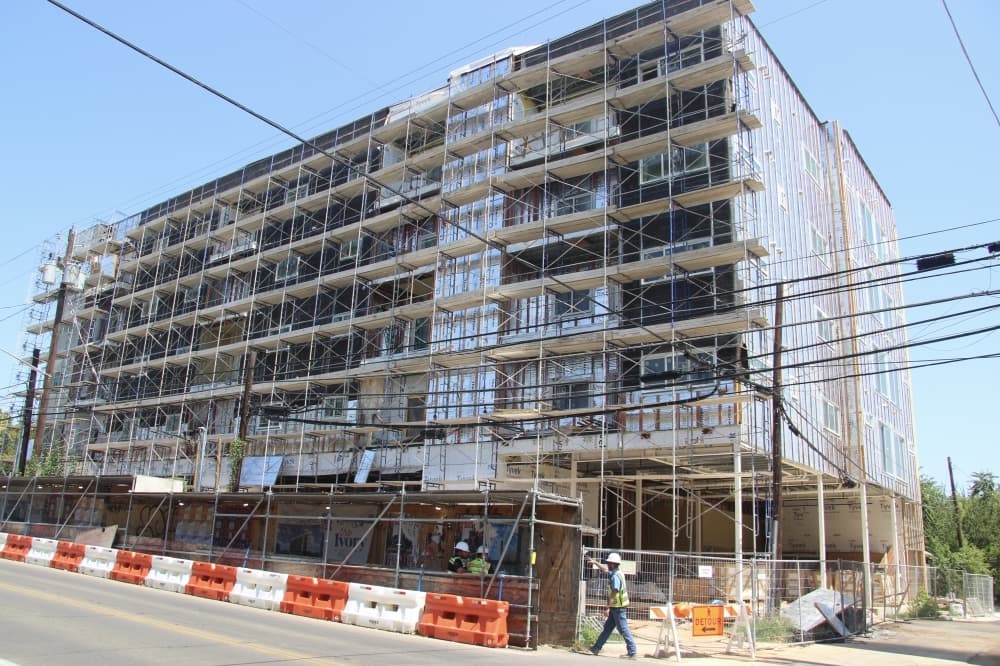
Changes to Austin's affordable housing programs will affect renter protections and eviction practices at scores of city-supported apartments. (Ben Thompson/Community Impact)
Austin Housing is moving to roll out increased protections for tenants in lower-income housing, including citywide eviction prevention measures.
The setup
Many local affordable housing complexes are supported by city development assistance. Those programs send funding from housing bonds, the Project Connect transit system's anti-displacement initiative and other sources to projects that apply for support.
Earlier this month, City Council directed millions of dollars to create or maintain hundreds of units of affordable housing around Austin under Rental Housing Development Assistance, or RHDA, and Ownership Housing Development Assistance, or OHDA, programs.
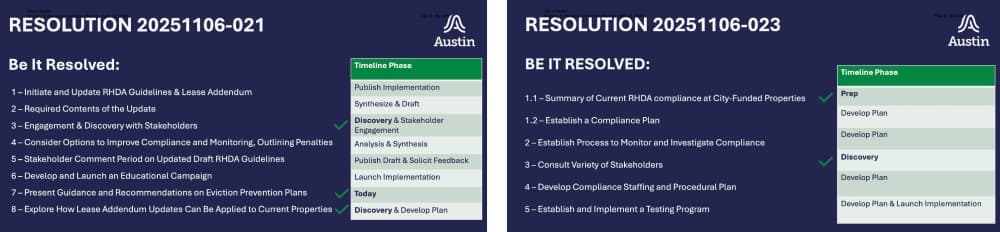
The city is now moving to improve how those programs function. Last year, officials approved a pair of resolutions from council members Zo Qadri and Mike Siegel calling to update the RHDA's program oversight and tenant protections. The city housing department has since launched projects to meet those goals, expected to wrap up later this year.
"I'm greatly encouraged by the work of Austin Housing under Director Deletta Dean to work with tenant advocacy organizations and strengthen the City's capacity to ensure that publicly-supported affordable housing is meeting the needs of our community," Siegel said in a statement.
The details
Council's direction kicked off reviews of the city's RHDA oversight and "lease addendum" that sets several renter protection requirements for participating developments. Generally, those cover leasing and living conditions, as well as processes to prevent evictions and ensure fair proceedings if they take place.
The council resolutions passed in November asked to strengthen rental applicant and tenant protections with new strategies to provide rental assistance, avoid evictions and improve compliance monitoring of the dozens of complexes that have received RHDA support.
City housing staff provided an update on that work to council at an April 14 committee session, and expect the two projects based on Qadri and Siegel's resolutions will be completed by this fall. Austin Housing has already created a new division to manage the rental projects.
"This is a great step forward that will protect tenants at thousands of affordable housing units," Siegel said.
Program changes will be rolled out based on input provided by property managers, developers, tenant rights' advocates, housing staff in peer cities and Austin's longtime RHDA property monitor UPSC Inspectors. Council members also received a presentation in April about ways to improve local eviction prevention plans, with recommended strategies for Austin to take on going forward.
Austin Housing is working on two projects to update the city's oversight of an affordable rental development funding program, and related tenant protections. (Courtesy city of Austin)
Zooming in
That briefing from policy nonprofit HousingWorks Austin emphasized the importance of early intervention in rental issues, like late payments, to avoid getting to the point of evictions.
HousingWorks Executive Director Awais Azhar said a combination of eviction prevention plans, financial assistance, tenant case management and other support represent best practices that serve both renters and landlords—and the city. Having those strategies in place helps residents stay housed, while property owners avoid the costs of lawsuits and frequent unit turnover or long-term vacancies. At the city level, more limited rental assistance can also result in the long-term savings of "not having folks access the larger social safety net," Azhar said.
The city could eventually set additional guidelines related to the evictions process or fund new tenant assistance programs based on some of HousingWorks' proposals. While formal changes to Austin's programs or funding are still to be determined, several officials said they agreed with the importance of policies that result in "eviction as a last resort."
“The [eviction] lawsuit being the first thing that you hear from somebody is generally not a good way to resolve the problem," Mayor Pro Tem Chito Vela said.
Siegel also noted the city will be updating RHDA program guidelines with requirements for properties to have eviction prevention plans in place. Aside from eviction strategies, city-funded RHDA developments are being cataloged to help with monitoring.
Going forward, city representatives will be working more closely with property owners and management staff on education related to Austin's eviction and tenant protection policies. And a "secret shopper program" to test compliance was envisioned in Siegel's original resolution.
Study shows less rainfall is reaching Lakes Travis and Buchanan