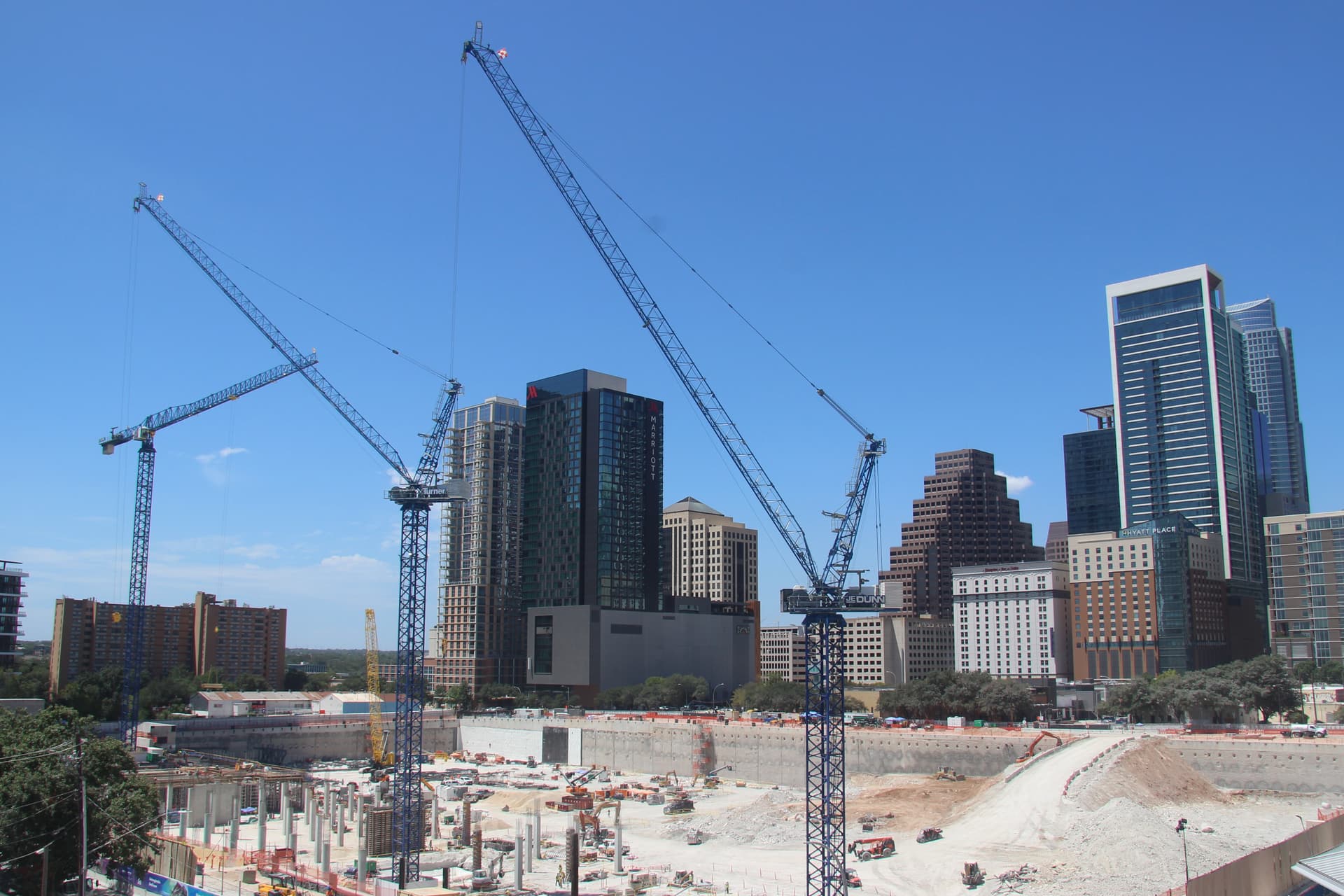
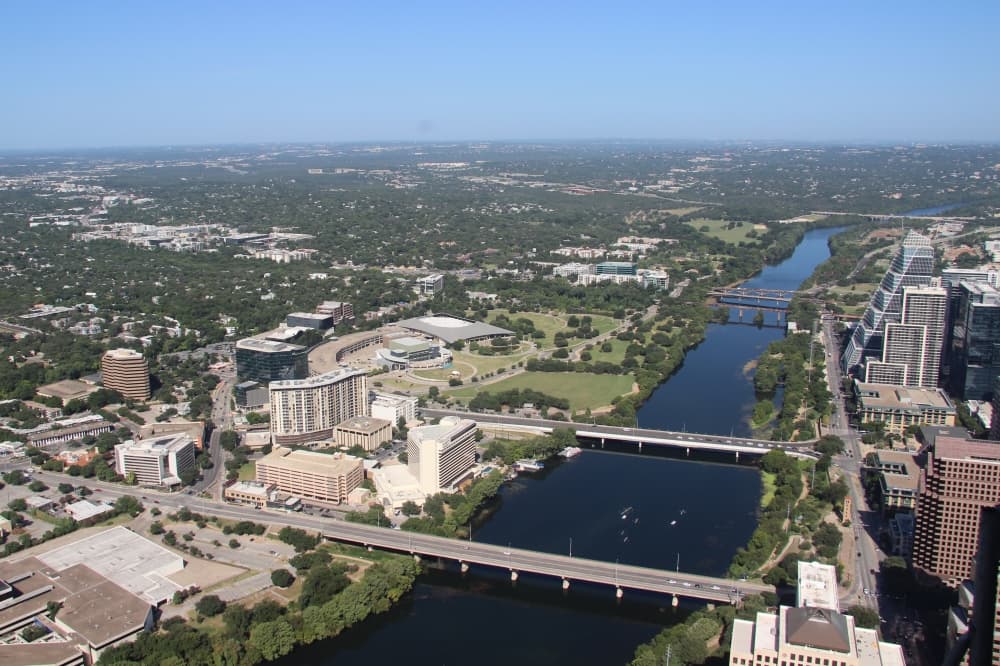
Austin officially surpassed 1 million residents for the first time in its history last year.
The big picture
The city's estimated 2025 population was 1,002,632 people, based on new census data, reflecting the addition of more than 4,000 residents from 2024. That increase moved Austin past the 1 million mark and into 12th place for most populous cities nationwide, which Mayor Kirk Watson noted as a historic moment.
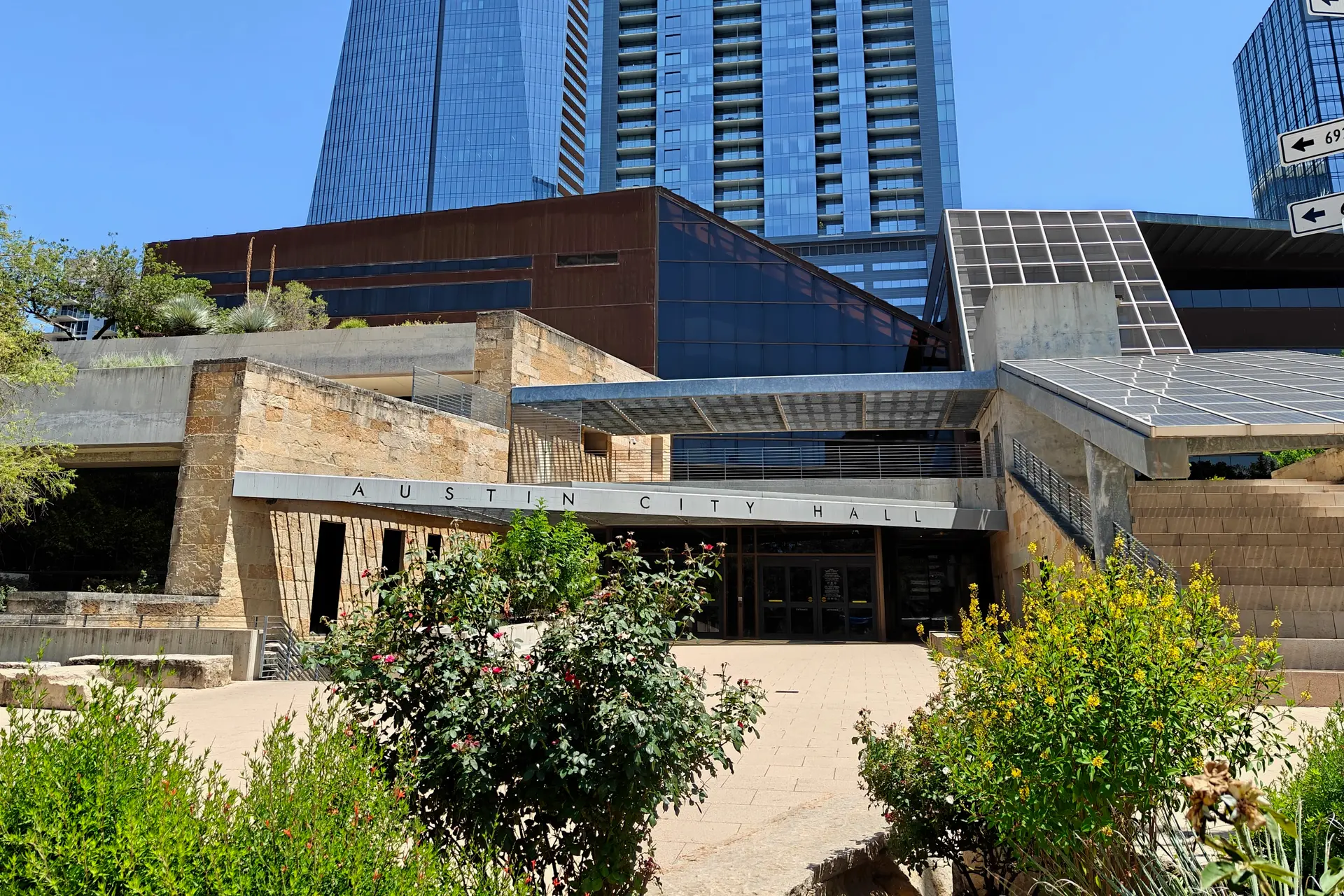
"There’s no denying now that Austin is a big city, and we have big challenges. But we also still have small town heart, and that’s part of what makes it the best place in the country to raise a family or to seek out new opportunities," he said in a statement.
By the numbers
Austin's expansion came during what the U.S. Census Bureau called a "widespread national slowdown" in population growth and reported drop-offs in annual growth among large cities.
The bureau's new population figures released May 14 showed the city grew 0.4% from 2024 to 2025, and more than 4% since the 2020 census, when Austin's population was estimated at around 962,000.
Despite declining international migration, demographer Lila Valencia said Austin, Travis County and the wider metro area continue to maintain "steady growth" thanks to in-state and domestic migration.
“Crossing the threshold of one million residents is an exciting milestone that underscores Austin’s role as the region’s principal city, but it’s not surprising,” Valencia said in a statement. “The latest estimates from the Census Bureau bear out what we have been seeing in our internal estimates since 2020.”
She noted that higher-than-expected job growth and decreased housing costs are likely contributing to the city's draw as well. More than 16,000 new housing units were added across Travis County from 2024 to 2025, according to the Census Bureau, while the five-county Austin metro area added nearly 32,000 new units.
Zooming out
While Austin remains one of the largest cities nationally, it's still ranked fifth in Texas and isn't growing as rapidly as some smaller cities.
Austin remains behind Fort Worth, which crossed the 1 million-resident mark for the first time in 2024, while Dallas, San Antonio and Houston each have several hundred thousand more residents. Houston is now the fourth-largest city in the U.S., San Antonio is seventh, Dallas is ninth and Fort Worth is 10th.
Fort Worth, Houston and McKinney were among the top 10 cities in the country with the most new residents added from 2024 to 2025. The five fastest-growing cities with more than 20,000 residents nationwide were all in Texas.