Austin has adopted a new process with increased public scrutiny for the city's procurement of surveillance-related technology, following pushback against previous public camera programs.
"This is a way that at the local level, at least we can make sure we’re not complicit in this massive expansion of the surveillance state," council member Mike Siegel said in an interview.
The overview
The focus on Austin's potential procurement of technology that collects personal information comes after the recent consideration of millions of dollars in contracts for surveillance technology across the city.
Earlier this year, City Council passed Mayor Pro Tem Chito Vela's Transparent and Responsible Use of Surveillance Technology, or TRUST, Act to increase public scrutiny of any contracts Austin might enter into with implications on residents' privacy and mass data collection. Directives in Vela's original resolution were formally enacted into city policy April 23.
The update comes after council ended a police pilot program for automated license plate readers, or ALPRs, last spring. While billed as a support for law enforcement operations, officials and many community members raised concerns with the use of Flock Safety camera technology and reported violations of some privacy safeguards implemented for the program.
“We saw when City Council in 2024 adopted the toughest guardrails in the country for automated license plate readers. But then our procurement process failed because the police department was allowed to execute a contract with Flock that didn’t fully comply with council policy," Siegel said. "This process that’s created through the TRUST Act will ensure that doesn’t happen again."
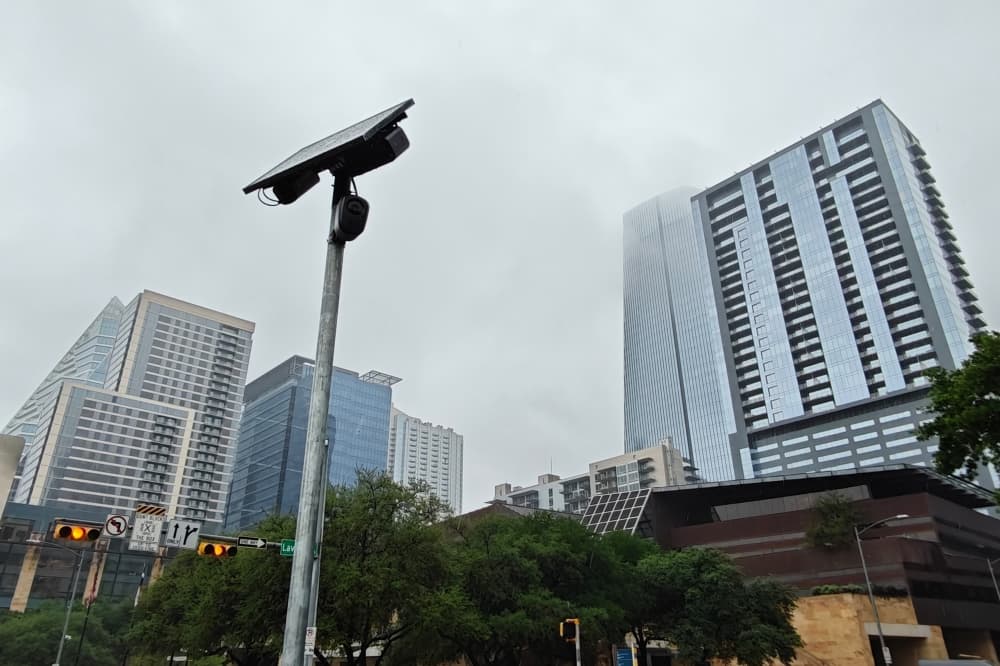
Similar concerns were also raised later last year when Austin Parks and Recreation moved to expand a separate safety pilot placing surveillance cameras in public areas. Opposition to the city's recommended contract with LiveView Technologies led that program to be shelved, at the same time the TRUST Act was passed.
“I don't want to reject outright the use of surveillance technology. Clearly, it can be very useful and helpful in deterring crime," Vela said in February. "But we have to minimize any privacy concerns and put safeguards and protections in whenever we do turn to these kinds of technologies.”
The approach
The new ordinance codifying the TRUST Act will require city departments that are considering the use of surveillance-related technology to get formal City Council approval before doing so.
That process that will allow for more public review of potential contracts through the release of "privacy impact assessments" several weeks before those spending items are voted on. City staff will also be required to submit a "surveillance use policy" outlining the technology's implementation including potential artificial intelligence capabilities, data collection processes and program safeguards.
While most proposed city contracts aren't available before they're approved, the TRUST Act ordinance also mandates that draft versions be available to the council a month before they're voted on.
"If we’re going to have good debates on the dais, we need to have good information. We can’t be guessing at things, we can’t be dealing with misinformation," Vela said April 23. "Having that privacy impact assessment in hand to refer to when we’re debating the adoption of a surveillance technology will really help center and ground our debates in a more factual and realistic [way], and weighing the costs against benefits."
Officials voted to increase the amount of time required for contract review, and to decrease the amount of time city management has to disclose any exceptions that are made under the new policies. The ordinance includes an "exigent circumstances" exception that can allow immediate, temporary use of surveillance technology in some emergency situations.
In addition to the case-by-case transparency provisions, Austin will also now complete annual reporting on any surveillance technology the city is using with details on how such programs were used. At the request of council member Marc Duchen, staff will also report on any unintended consequences of the TRUST ordinance, such as possible "impediments to technological advancement."
What they're saying
Siegel, a TRUST Act sponsor and opponent of last year's proposed camera contracts, said the new rules represent Austin "catching up to the information age" with its approach to rapidly changing technology.
"Even 10 years ago, if City Council authorized the parks department to purchase cameras to monitor potential break-ins at trailheads, we wouldn't have had to think about artificial intelligence and machine learning, and how the acquisition of audio and photos and other data from a camera could be used to create entire profiles of the people who use our parks—and could be connected with other datasets that further invade our privacy," he said. "This is an extremely important step to make sure that we truly understand what we’re buying.”
Vela called the policies a transformational change to Austin's technology use, which totals tens of millions of dollars every year, while protecting civil liberties and "critical Austin values."
Several residents also spoke in support of the new rules, and against city contracts that might involve AI-related data collection.
Siegel said he's not against responsible use of surveillance technology as a public safety tool or to support Austin's operations. But with new requirements in place, he anticipates city departments will adjust how they plan to use cameras and other surveillance technologies.
"I do think this is going to deter some contracts from even being proposed, which is probably a good thing," he said. "I think it will also increase public trust in the city; that we’re doing this all above board, that there’s no secret deals where we’re allowing third-party companies to acquire and sell our residents’ data. I think it improves trust and confidence in the city government."