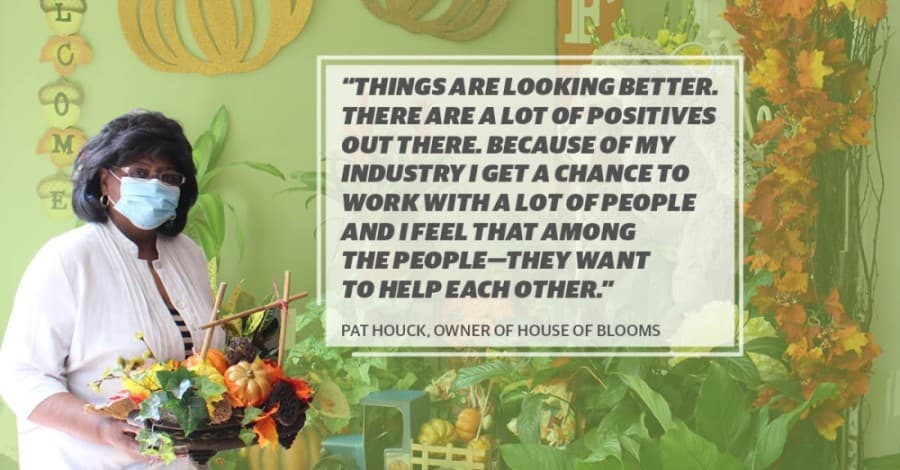
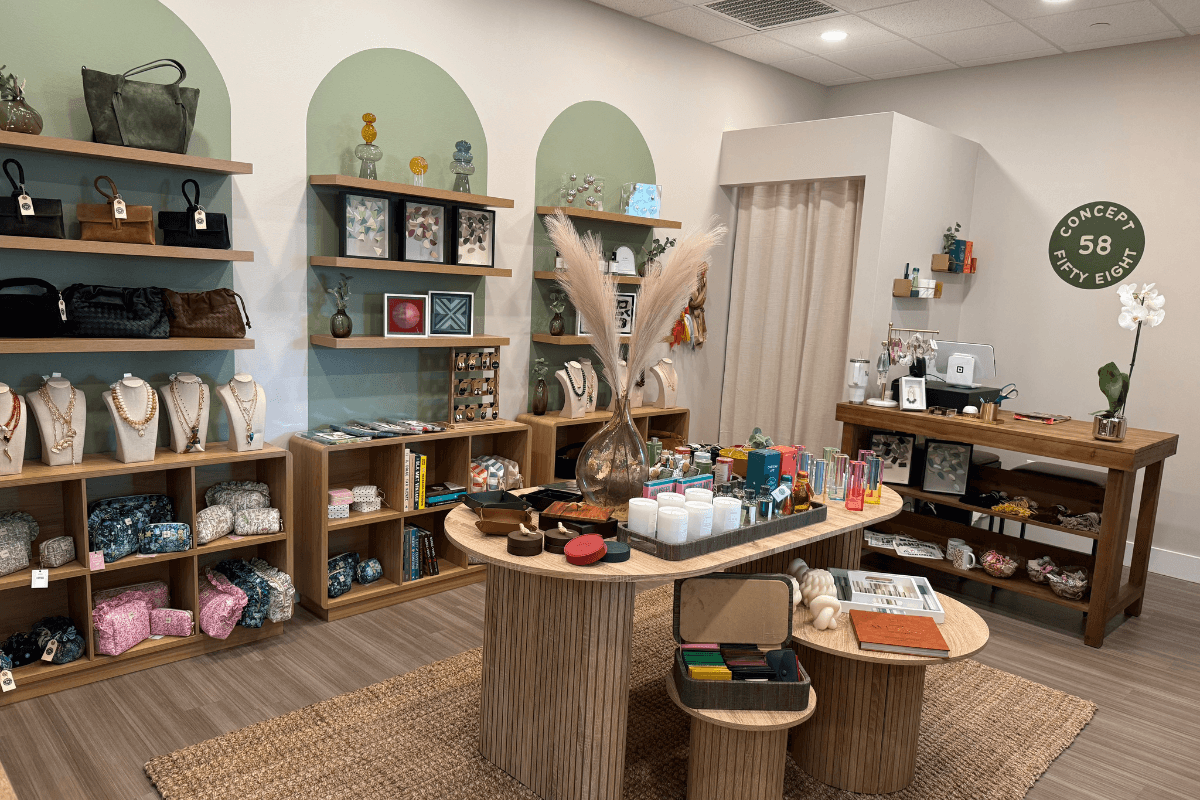
As one of the first businesses in Sugar Land Town Square in 2007, House of Blooms has grown from its initial kiosk location to its current storefront, adding employees along the way. But when the coronavirus pandemic hit in mid-March, it brought the flower shop—along with other small businesses across the county—to a halt, owner Pat Houck said.
Still, Houck said the slowdown is nothing the businesses will not be able to weather.
“Things are looking better,” Houck said. “There are a lot of positives out there. Because of my industry I get a chance to work with a lot of people, and I feel that among the people—they want to help each other.”
While the effect of the coronavirus on cities’ sales tax revenue has varied throughout the Houston region—with Sugar Land consistently seeing lower revenue compared to the same months a year ago and Missouri City seeing increased revenue—small businesses in the community have felt the financial strain of the pandemic for the past seven months.
“Local government is only as strong as the local economy,” said James Thurmond, a former city manager and current graduate professor in public administration at the University of Houston. “[If] they don’t have money coming in, they can’t provide some of the basic services they need to provide.”
Sales tax turbulence
The pandemic’s effect on sales tax revenue in Sugar Land and Missouri City has varied. Sugar Land saw sales tax revenue down between 8% and 22% from March through August compared to the same months last year. Missouri City’s allocation fluctuated between down 1% to up more than 14% during the same period.
Missouri City City Manager Odis Jones said the city is attributing the increases in sales tax revenue to residents who might be working from home during the pandemic choosing to shop closer to home.
“If there is a bright spot, it’s that folks staying home and shopping leads to different degrees of vitality not only for businesses here in Missouri City, but also to the city,” Jones said.
Jennifer Brown, Sugar Land’s director of finance, said although the city’s sales revenue is still down, the effects have not been as bad as the city originally projected.
“I can’t really speak about consumer behavior and what has changed,” Brown said in an email. “But our main impacts have been seen in retail, and food and entertainment, which have been impacted by the pandemic through state restrictions and changes in discretionary spending habits due to uncertainty in the economy.”
Sales tax revenue is just one component of a city’s budget. Many local governments also collect property taxes, and these values take much longer to change than sales tax revenue does in the midst of an economic crisis, Thurmond said. If sales tax revenue decreases and property taxes remain relatively unchanged, for example, expenditures would need to be cut elsewhere in a local budget, he said.