An employee with Landry's Seafood House conducts a train ride throughout the Kemah Boardwalk. The Kemah Boardwalk remains consistently fully staff, officials said. (Courtesy Kemah Boardwalk)
Statewide, help wanted postings for retail salespeople rose 7.5% during the first half of each year from 2022 to 2026, according to data from the Texas Workforce Commission.
Meanwhile, in Galveston County, that rate has almost doubled—14%—from 2022 to 2026, data shows.
As job postings have risen, local employers are looking for ways to fill the positions that keep the Bay Area's retail, tourism, dining and entertainment industries running.
"Like many tourism and hospitality destinations, Kemah Boardwalk's staffing needs shift with the seasons," said Terry Turney, Kemah Boardwalk's chief operating officer. "We adjust staffing levels based on business demand, including during our peak spring and summer periods. We're proud that our locations are consistently fully staffed or close to fully staffed."
The big picture
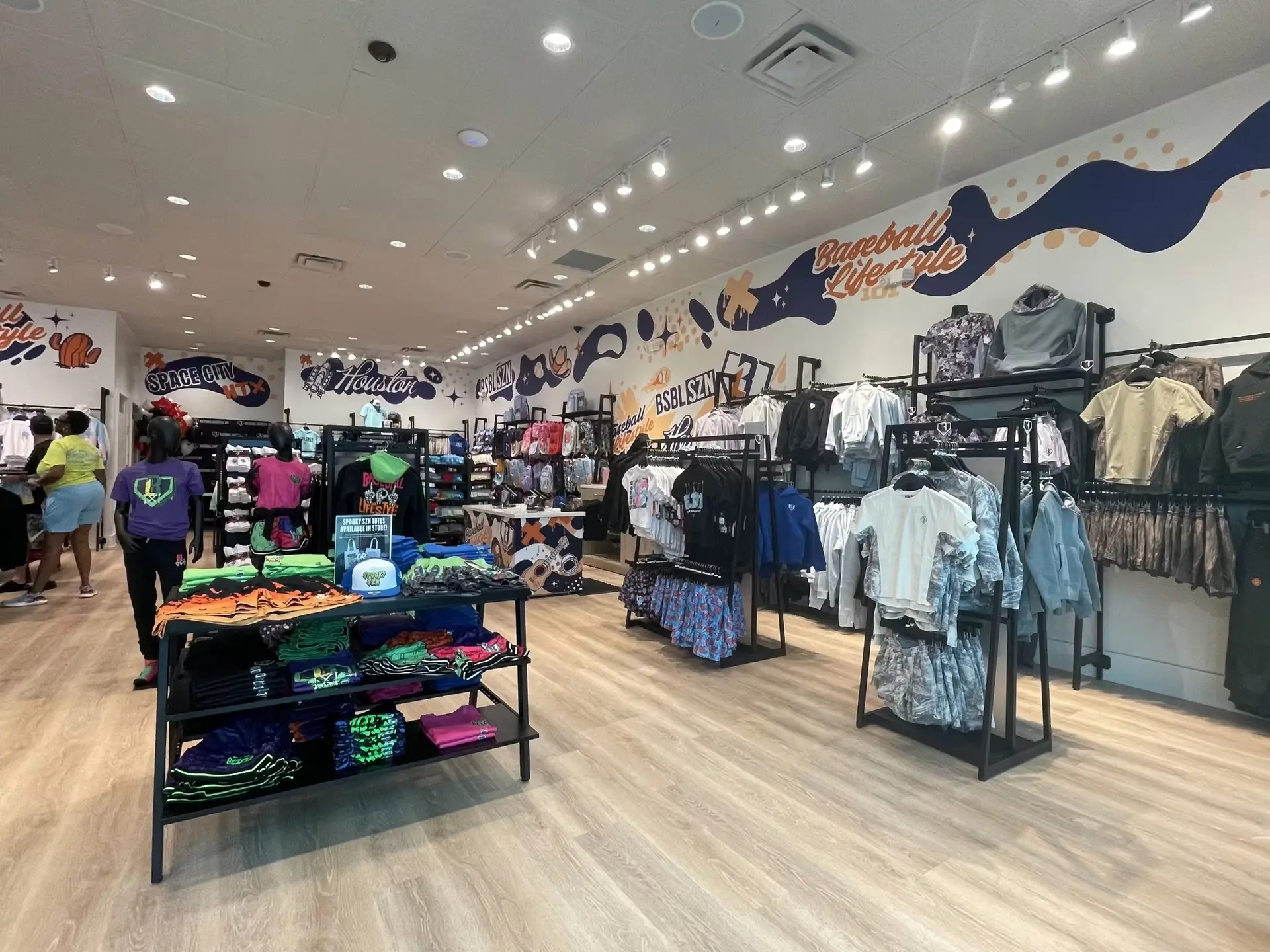
Since opening in Seabrook in November 2024, Space City Cow Owner Dylan Lirette said he struggled to find and retain reliable employees.
“It’s super hard to find employees these days, and that’s everywhere,” Lirette said. “That is across the board. Everywhere is hiring.”
Despite challenges that come with running a business, Lirette said he strives to focus on hiring the right people to provide a good example for future employees, even if it means being shorthanded.
On the other hand, Terry Turney, Kemah Boardwalk’s chief operating officer, said the boardwalk remains consistently fully staffed or close to fully staffed throughout every season of the year.
While data for 2025 was not yet available, hiring has outpaced the number of workers leaving jobs in the county since 2021.
The breakdown
From July 2025 to July 2026, Galveston County’s labor force grew by 0.6%, while the Houston area grew by just by 0.1%, Texas Workforce Commission Press Officer Sarah Fischer said.
More closely, League City’s labor force grew by 0.6% over the year, while Friendswood’s grew 0.7%, Fischer said.
The labor force includes people who are working as well as those who are unemployed and actively looking for work, according to the U.S. Bureau of Labor Statistics. People who are not working and are not actively seeking employment are not counted as part of the labor force.
In July, the unemployment rate was 5.1% in Galveston County, compared with 4.4% in League City and 4.8% in Friendswood, Fischer said.
From 2020 through 2024, at least 63% of Galveston County’s population aged 16 years and over were a part of the labor force, according to the U.S. Census Bureau.
While the percentage of people within the labor force dropped slightly in 2022 to 63.2%, it steadily increased to nearly 65% by 2024, data shows.
Within the labor force, out of 13 industries, retail trade, along with arts and entertainment, employs the fourth largest number of employees within Galveston County.
Also of note
Keep in mind
Minimum-wage workers make up a portion of the workforce behind the restaurants, retailers and other service businesses.
What's being done
Within the Bay Area, tourism spots, such as the Kemah Boardwalk, strive to adjust staffing levels based on business demand, Turney said.
“Our focus remains on maintaining the staffing levels necessary to provide a positive experience for both our guests and team members throughout the year,” Turney said.
Across the Houston-Galveston region, workforce organizations, such as Workforce Solutions—a public workforce system operated by the Gulf Coast Workforce Board—connect employers with workers and provide job matching, recruiting and training for workers and employers.
In 2025, Workforce Solutions Gulf Coast assisted over 55,000 individuals with career services, according to the organization’s annual report.
Along with initiatives from workforce organizations to improve the labor force, turnover rates for retail trade, accommodation and food service industries have steadily lowered in Galveston, Brazoria and Harris counties, data shows.
What to expect
Looking ahead, one of the occupation groups projected to add the most jobs is food preparation and service related occupations through 2034, Fischer said.
Overall within the Gulf Coast, which largely includes the Houston Metro, the number of people employed is expected to grow by 12.3% by 2034, or by 445,825 jobs, Fischer said.