Editor's note: This story was updated to include the correct name for the U.S. Food and Drug Administration.
Demand for hormone-based treatments for menopause and perimenopause has steadily increased over the past several years, resulting in a strained supply of some therapies, according to a local physician.
“Considering that the peri and post-menopausal years comprise more than half of the average woman’s lifespan, this focus on perimenopause and menopause has been long overdue,” Ascension Seton OB-GYN Dr. Laura Eastep said. “Women deserve the tools to live their healthiest and most vibrant lives.”
The big picture
Perimenopause refers to the transition period before menopause, when women may start to notice changes in their menstrual cycle and other symptoms, according to The Menopause Society. Dr. Nida Zakiullah, medical director of primary care with Baylor Scott & White Austin Northwest, said that some women experience perimenopause symptoms up to 10 years before the onset of menopause.
“As medicine advances and women live longer lives, we are learning that hormone fluctuations can play a significant role in their long-term health risks, including risks of heart disease and low bone density,” Zakiullah said. “The right hormone therapy can help many women with symptoms and keep them healthier for longer.”
Zakiullah said hormone therapy can be particularly beneficial for those experiencing “vasomotor symptoms” like hot flashes.
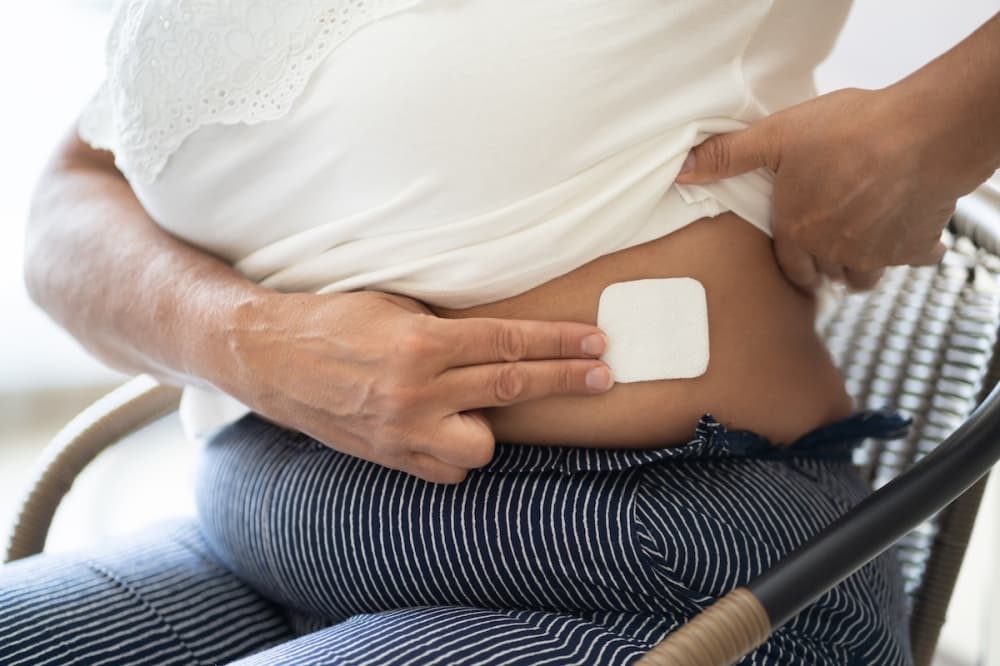
Demand for hormone-based therapies has been increasing since at least 2018, with estrogen patches being used at the highest rates, according to a study published by Truveta. Truveta is a collective of U.S. health systems that work to publish health data and scientific reports.
The history
Hormone therapy has been used to treat menopause symptoms since the 1960s, with treatment peaking in the 1990s, according to a paper published in the National Library of Medicine.
The demand for hormone therapy waned in the early 2000s, after a trial by the Women's Health Initiative ended prematurely due to findings of increased risks of breast cancer and cardiovascular events, Eastep said. A press conference based on these findings led to a black box warning, which lists harmful side effects, being added to hormone-based therapies. The use of these treatments for menopause decreased by nearly 80%.
The WHI trial was reanalyzed in 2016, and the results found that the risks were mostly confined to the older women in the study. When reanalyzed, the data demonstrate safety and efficacy for more recently menopausal women, Eastep said.
In November, the U.S. Food and Drug Administration removed the black box warning.
Diving in deeper
From 2018 to 2026, the rate of people ages 45 to 54 receiving estrogen-based hormone replacement therapies increased by 184%, according to the Truveta study. It also found that from July 2025 to February 2026, rates increased by more than 25% among women within that age range.
Estrogen patches are the most used form of estrogen-based hormone therapy, followed by the cream and oral treatments. The Truveta study only analyzed estrogen-based therapies, but progestin-based therapies and a combination of the two are also available.
While the FDA has not officially listed a drug shortage for estrogen patches or other hormone therapies, some providers have noted a strain from the high demand.
“Recently, we have come across shortages in certain hormone therapies,” Zakiullah said. “Your doctor can help navigate and find alternatives for treatment.”
One more thing
Eastep and Zakiullah encouraged patients looking to address perimenopause and menopause symptoms to discuss treatment options with their doctor to identify the best option for them. There are effective nonhormonal treatments for those who can’t or don’t want to take a hormonal treatment.