Halloween weekend in Austin means costume parties, crowded bars and late nights. An Integral Care trainer says the safest celebrations start with a plan and a group of friends willing to look out for one another.
Leylee Morris, Mental Health First Aid program manager at Integral Care, teaches residents how to recognize when someone is struggling and how to help. Her message ahead of Halloween is that anyone can step in.
“What we really want folks to know is that they don’t have to be a mental health professional to be able to assist someone,” she said. “You don’t even have to have the right answers or do it alone.”
The Austin Police Department expects 80,000-100,000 people in downtown entertainment districts over the weekend and will close East Sixth Street to vehicles, officials said at an Oct. 29 news conference.
Why it matters
Big crowds and alcohol can turn a fun night stressful quickly, and Austin’s large student population adds to that, Morris said.
Halloween falls on a Saturday this year, the same weekend as a football game for The University of Texas at Austin and an Austin FC game. Daylight saving time also ends at 2 a.m. Sunday, Nov. 1.
“There’s an extra hour for people to consume alcohol,” APD Cmdr. Chris Juusola said.
How to prepare
Before heading out, Morris recommended that people:
Know who they are going with, have everyone’s phone number and share locations
Decide how they’re getting home, whether by designated driver or rideshare, especially if drinking or going to more than one event
Pick an emergency contact if plans change or someone gets sick
Keep cellphones charged and save Integral Care’s 24/7 helpline, 512-472-HELP (4357)
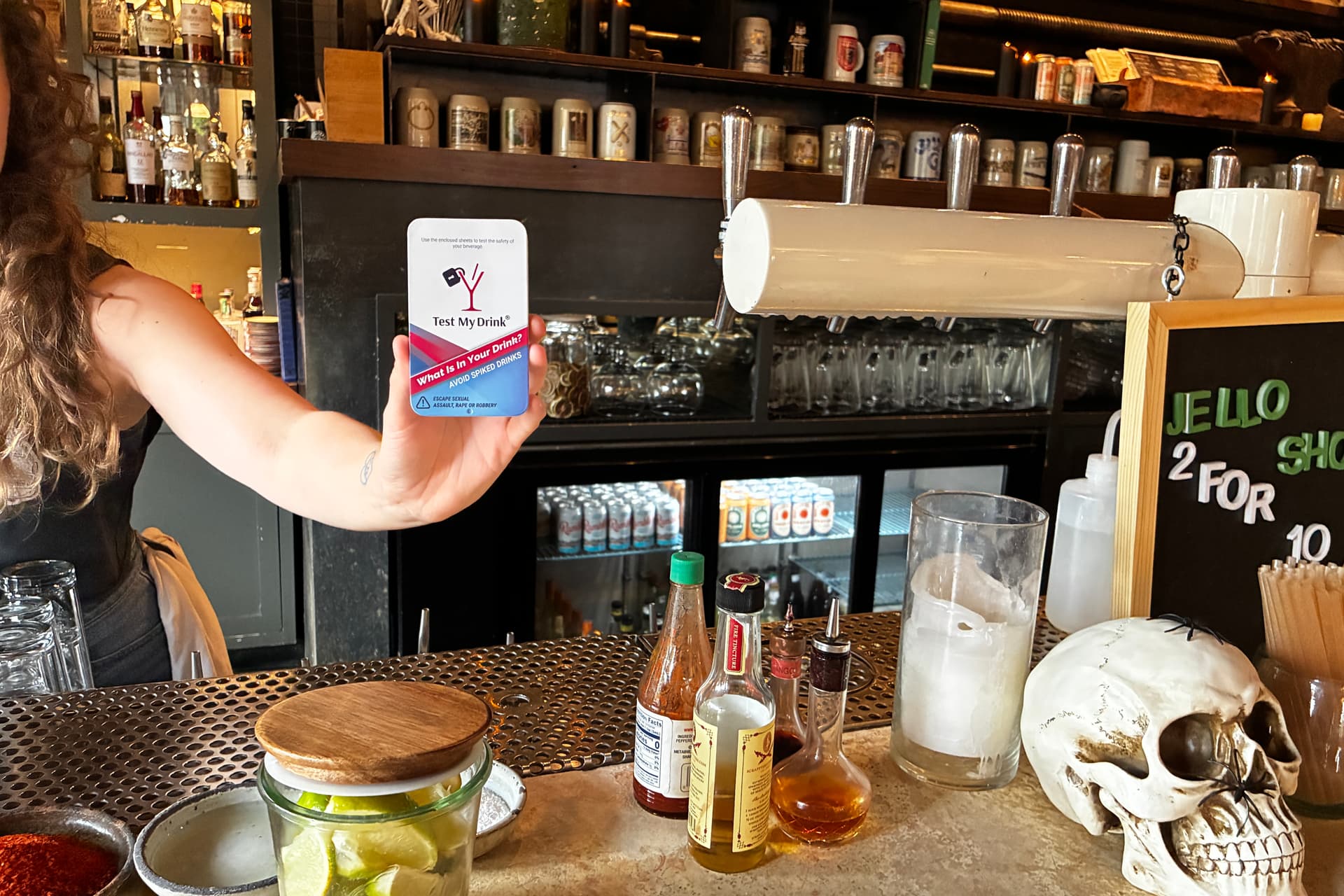
Some Austin bars offer drink test strips through the city’s Sip Safely program for patrons worried their drink was tampered with, Morris said.
Once out, Morris said to check in on friends throughout the night, and on strangers who seem lost or overwhelmed. To help someone who has lost their group, she suggested working backward: Where were they last together? Who else has a number they can call? Not everyone will want help, but letting someone know help is nearby can still make a difference, she said.
Heading downtown?
APD expects heavy crowds on East Sixth Street, West Sixth Street and Rainey Street, Juusola said.
The following will close to vehicles, according to APD:
East Sixth Street from Brazos to Red River streets, which will be pedestrian-only
North-south streets between Brazos and Red River from Fifth to Seventh streets, including Neches, Trinity and San Jacinto
Sabine Street at East Sixth
The north alley of East Sixth from San Jacinto Boulevard to Red River; service vehicles should use the south alley
Towing begins at 4 p.m. Saturday. Driving around police barricades can lead to impoundment, citations or arrest, and moving a barricade can lead to arrest.
Pedestrian fencing similar to SXSW and Meridian anti-vehicle barriers will line East Sixth. Juusola described the barriers as large white metal gates that keep cars out while letting first responders in.
APD is adding officers on overtime and running a unified command with Austin-Travis County EMS and the Austin Fire Department, Juusola said. Staff will monitor crowds and a police, fire and EMS rescue team will be stationed on East Sixth.
“Fire and EMS don’t have to wait for a scene to be safe because they have a police escort with them,” he said. “They can start giving medical treatment within about a minute.”
APD advises people to remember where they parked, use crosswalks outside the closed area and plan rideshare pickups outside it. Open containers, glass and real or lifelike weapons are banned downtown, and no refusal is in effect for drunken driving. People who see something concerning can call 911 or flag down an officer.
Getting help
Bystanders shouldn’t try to diagnose what’s wrong, Morris said. If someone is unresponsive, unconscious or not breathing, people should call 911 immediately.
If the person hasn’t hit their head or been otherwise injured, Morris said to roll them onto their side in the recovery position, have someone else call 911 and stay with them until EMS arrives. The same steps apply to suspected alcohol poisoning, she said.
If an opioid could be involved, Morris recommended naloxone, a medication that reverses opioid overdoses and won’t harm someone who isn’t overdosing. Since 2021, opioid overdoses have been the leading cause of accidental deaths in Travis County, ahead of vehicle crashes, according to previous Community Impact reporting.
Naloxone is free from vending machines around Austin, and residents with a MAP card can get it free at H-E-B and CommUnityCare pharmacies, according to CommUnityCare Health Centers, which has more than 30 locations across Austin and Travis County.
If someone has chest pain or trouble breathing and no one is sure why, people should call 911 anyway, Morris said.
“A medical provider can tell the difference between a heart attack and a panic attack,” she said.
For someone in mental health distress who isn’t facing a medical emergency, Integral Care offers 24/7 psychiatric emergency services for adults and children at 1165 Airport Blvd. The organization’s four walk-in clinics are open Monday-Friday, 8 a.m.-5 p.m., so they will be closed over Halloween weekend.
As Travis County’s mental health safety net, Integral Care told Community Impact cost and insurance should not be barriers to care.
Trick-or-treating tips
Before trick-or-treating, APD Cpl. Jose Mendez said parents should:
Know their child’s route and bring a flashlight
Make sure costumes, shoes and treat bags are safe
Use props made of cardboard or flexible material so they don’t cause injuries or get mistaken for real weapons
Review “stop, drop and roll” in case a costume catches fire
Set a rule that kids don’t eat treats until they’re home, then inspect all treats, throw away opened candy and check homemade items closely
While out, Mendez said kids should:
Visit only well-lit homes and never enter a home unless they know the people there
Stay on sidewalks, cross at crosswalks and intersections, and never cross mid-block or between parked cars
Watch for cars backing up or turning, since drivers can’t see as well at night
Keep costumes away from lit jack-o’-lanterns
Never accept a ride from a stranger
Carry a spare bag, respect others’ property and say thank you
Residents handing out candy should turn on porch lights and clear yard hazards, he said. Drivers should go slow all evening, and anyone who sees suspicious activity should report it to police. Adults in costume should keep accessories obviously fake, consider fire safety and visibility, and keep in mind that some costumes may scare young kids.
What parents should know
Morris encouraged parents of teens and college students to go beyond curfew and rides. She recommended talking through what their child would do if a friend got too drunk, passed out or needed help, and who they would call. Parents can also practice how to leave a party that feels unsafe and how to say no to peer pressure, she said.
Getting involved
Integral Care’s Mental Health First Aid course teaches residents to recognize and respond to mental health and substance use challenges. Upcoming sessions are Nov. 12, for adults who support young people, and Nov. 20, for adults helping adults, Morris said.
“A lot of folks are often scared to start conversations or even share what they’re noticing because of fear of being wrong,” she said. “But that’s something that can help and assist someone and make a huge difference.”
For more on mental health this season, read how Travis County residents can spot and manage seasonal depression.