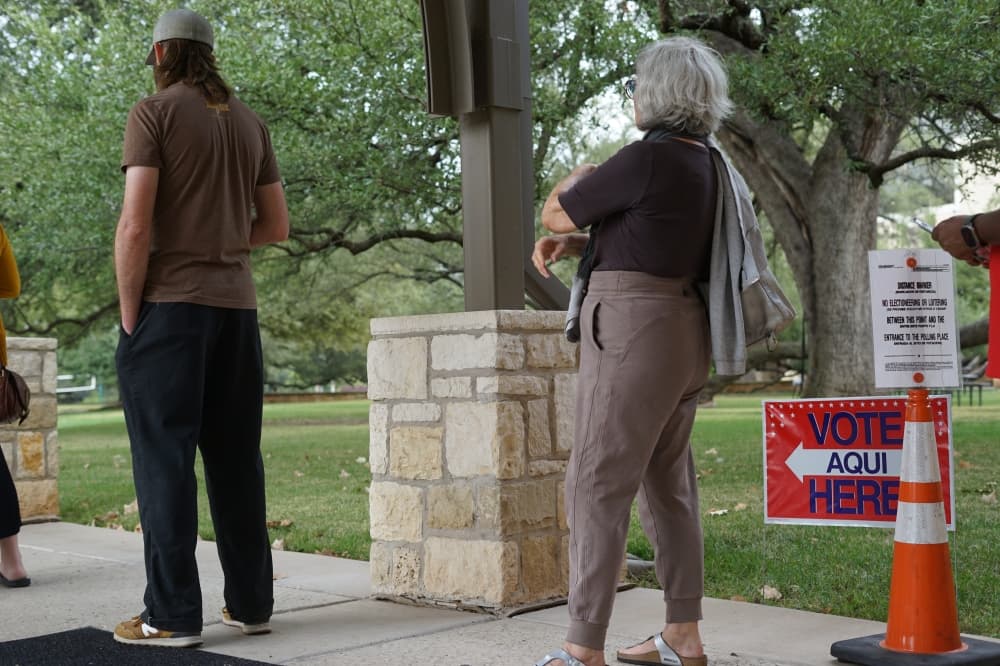
Texas held its primary elections on March 3, with Republican and Democratic voters selecting their parties’ nominees for scores of federal, state and local seats. Yet for some candidates, a major hurdle still remains before the November election.
Dozens of primary races are headed to May runoffs after no candidate picked up more than half of the vote, triggering an overtime round between the two highest-performing candidates.
Keep reading for the full details on how runoff elections work, when they will happen and who is eligible to vote, plus an overview of some of the state races on the runoff ballot. For more coverage of the March 3 primaries and the local races headed to runoffs, visit communityimpact.com/election.
What you need to know
Texas’ runoff election is set for May 26, the day after Memorial Day. Early voting runs from May 18-22, per the secretary of state.
State law requires primary candidates to receive more than 50% of the vote to advance to a general election, meaning a candidate must earn a majority of the vote—not just the highest number of votes—to win their primary outright. This rule means crowded races in Texas primaries and special elections frequently result in runoffs.
In those races, the top two vote-getters advance to a runoff.
Nearly 4.5 million Texans voted in the March 3 primary election, setting a new state record for primary turnout, Community Impact reported. However, past reporting shows that fewer voters tend to go to the polls for runoff elections.
Voting in the runoff
Texans who did not participate in the March 3 primaries can vote in either party’s runoff this May. Voters who cast ballots in the Republican primary are only allowed to vote in the Republican runoff, and those who voted in the Democratic primary can only vote in the Democratic runoff.
Additionally, individuals who participate in the state nominating conventions for Texas’ Libertarian or Green parties—both of which are scheduled for April—may not vote in another party’s primary or runoff under state law.
Texans who are not registered to vote have until April 27 to submit their voter registration application ahead of the runoff election, according to the secretary of state. The application form is available here and must be mailed to or dropped off at a local voter registration office.