As a shortage of primary care physicians continues in Central Texas, patients are more frequently choosing to use urgent care facilities to meet their health care needs, industry professionals said in May.
In a nutshell
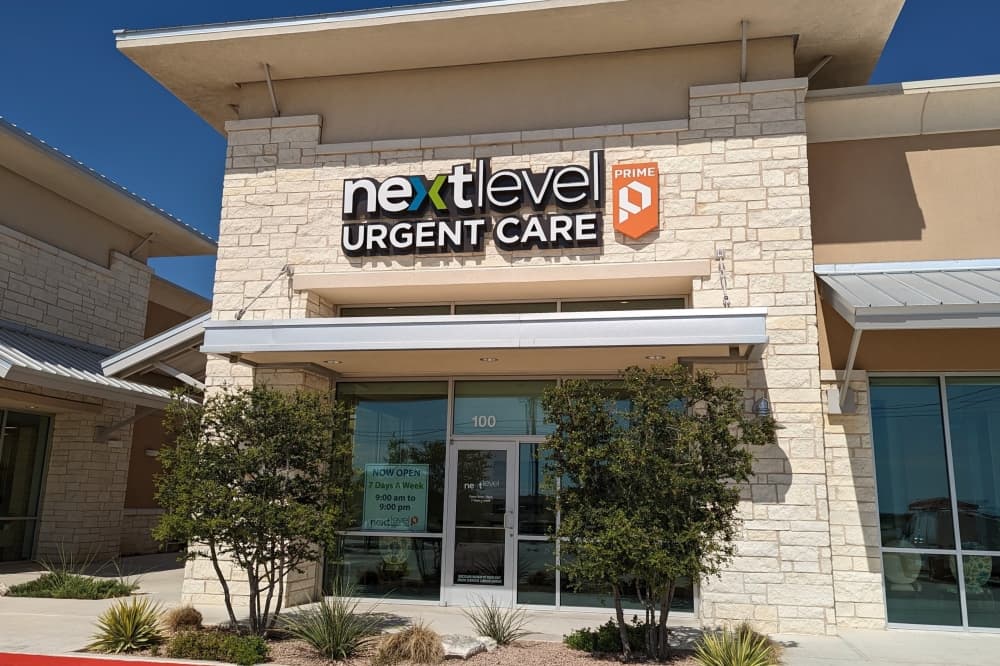
April Gillam, chief operating officer at Next Level Urgent Care and secretary of the Urgent Care Association, said patients are waiting, on average, around 31 days to see a traditional primary care physician. Seeking more immediate access to health care professionals, she said many are turning to urgent care facilities for primary care needs.
What they’re saying
“We are seeing more of the ‘Hey, I have high blood pressure, and I haven't been to the doctor in this many years. Can you manage my blood pressure?’” Gillam said. “That's one of the most common things that we see—people who have unmanaged high blood pressure.”
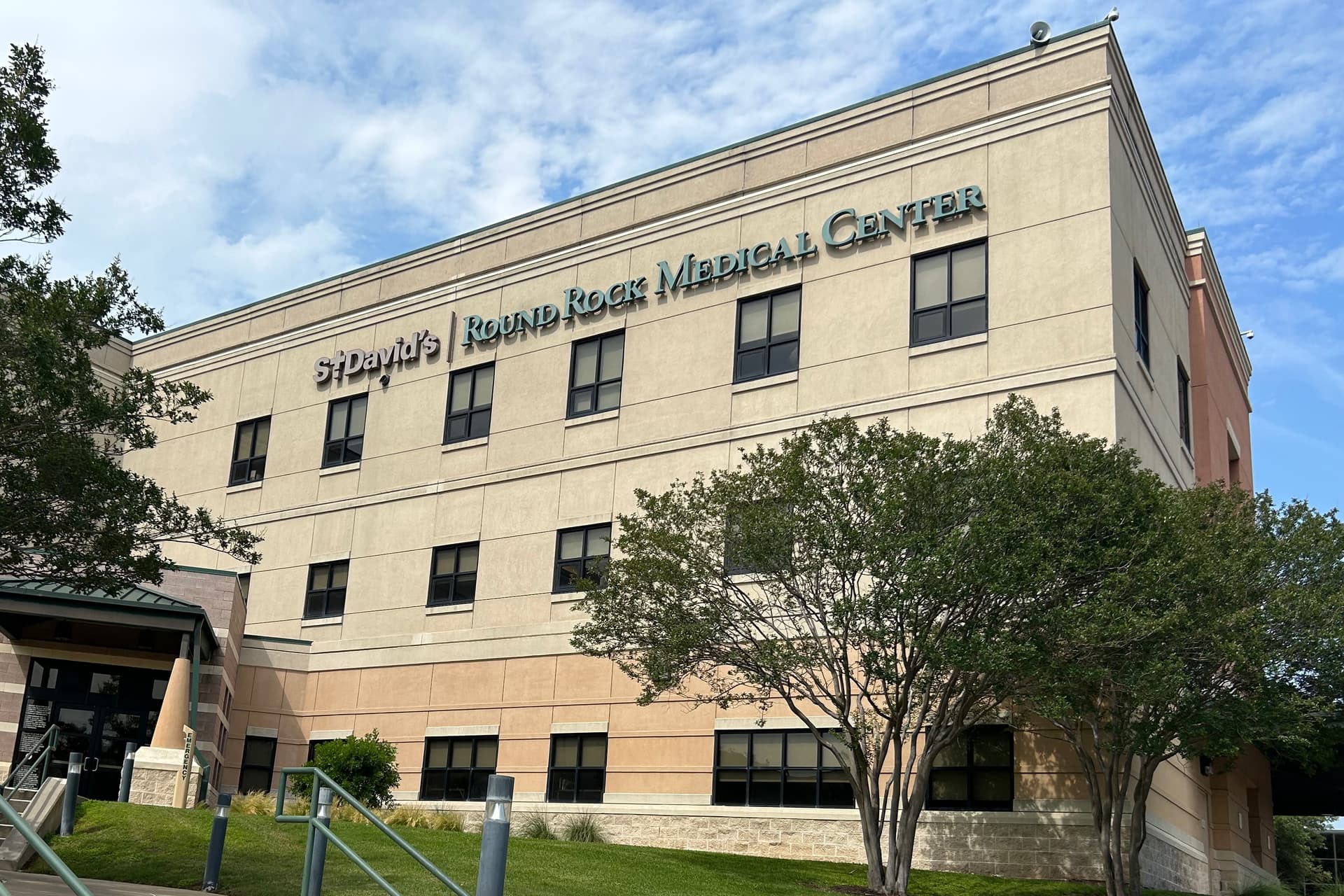
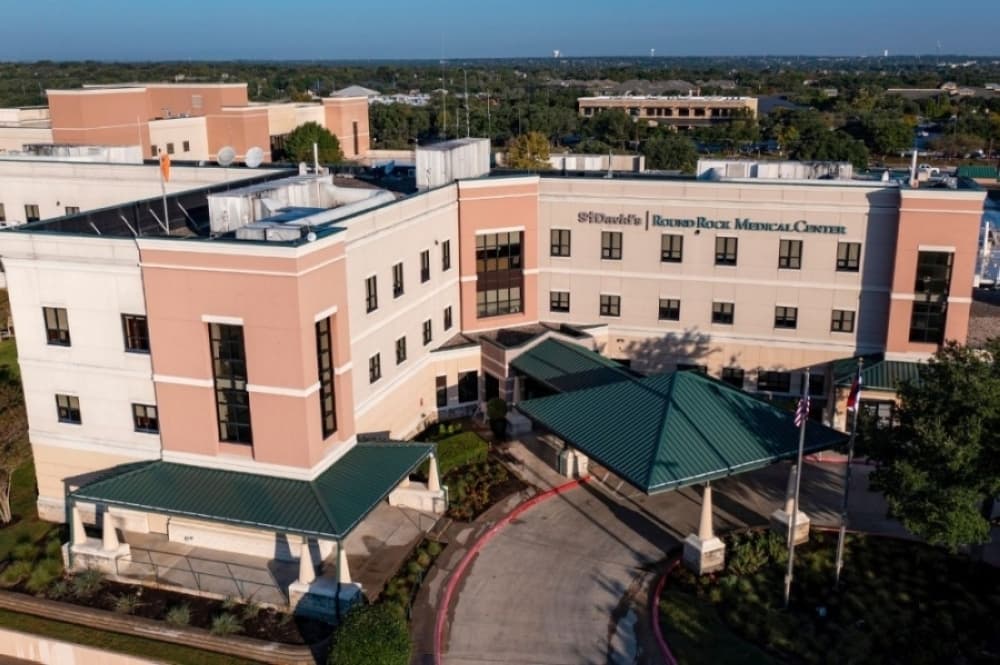
Similarly, St. David’s CareNow urgent care locations are seeing an uptick in demand for services usually associated with primary care.
“Urgent care has become an important access point for patients seeking timely, affordable care for non-life-threatening conditions,” said David Huffstutler, president and CEO of St. David's HealthCare. “While urgent care should not replace the long-term relationship and preventive benefits of a primary care provider, these centers help fill a critical gap in the healthcare system by providing convenient, high-quality care when and where patients need it most.”
Looking forward
With fewer medical school graduates pursuing primary care fields, Gillam said she anticipates patients continuing to seek primary care services at urgent care facilities.
“More consumers use urgent care and live near urgent cares than ever,” she said. “Awareness of what an urgent care is and what you should use it for really changed during COVID. A lot of people use urgent care like it's their primary care physician.”
To meet patients where they are, Next Level Urgent Care launched Next Level Prime, an employer-sponsored direct primary care program, in 2021.
Gillam said she expects reliance on urgent care facilities to become more widespread as the primary care shortage continues.