Richardson City Council unanimously approved the city’s legislative agenda Nov. 9, which includes priorities on local control, transportation and economics ahead of the state and federal legislative sessions in 2027.
In a nutshell
Richardson’s legislative agenda is a “guide for council and staff to promote and protect our municipal interest” during the 90th Texas Legislative session and the 120th U.S. Congressional sessions, which will both convene in January, Chief Gary Tittle said at the Oct. 26 meeting.
After Democrats swept statewide races and took control of the Texas House in the midterm elections, the city will be facing a very different Legislature than in past years. While the city’s priorities remain the same regardless of the legislative outlook, the strategies to accomplish some of those priorities will change, City Manager Don Magner said.
“In 30 years, I don’t ever recall a change this dramatic in one election cycle, so it will be new to everybody down there,” Magner said. “We’ll be watching the session very closely because I think the session is going to necessitate some strategies that we haven’t had to use in a long time.”
The top priority identified in the city’s legislative agenda is preserving local control, and the city plans to “oppose any legislative action that would erode home rule authority of municipalities.” Richardson’s legislative agenda also lays out priorities in fiscal management, transportation, economic vibrancy, public safety, environment and education and workforce.
The outlook
Local control is still Richardson’s highest priority, but Magner said he does not expect the city will need to be as defensive against legislation that would lower the statewide cap on property tax increases with the new government in place.
“We can actually play a little bit of offense and try to educate and raise awareness about what the current caps have done and then to perhaps advocate for certain things that I think are core missions of a municipality,” Magner said.
The city could advocate for the Legislature to create carve-outs in the cap, excluding budget areas like public safety or infrastructure from being impacted by revenue restrictions, he said.
“If you don’t have to factor those [into the cap], our financial situation would be completely different,” Magner said.
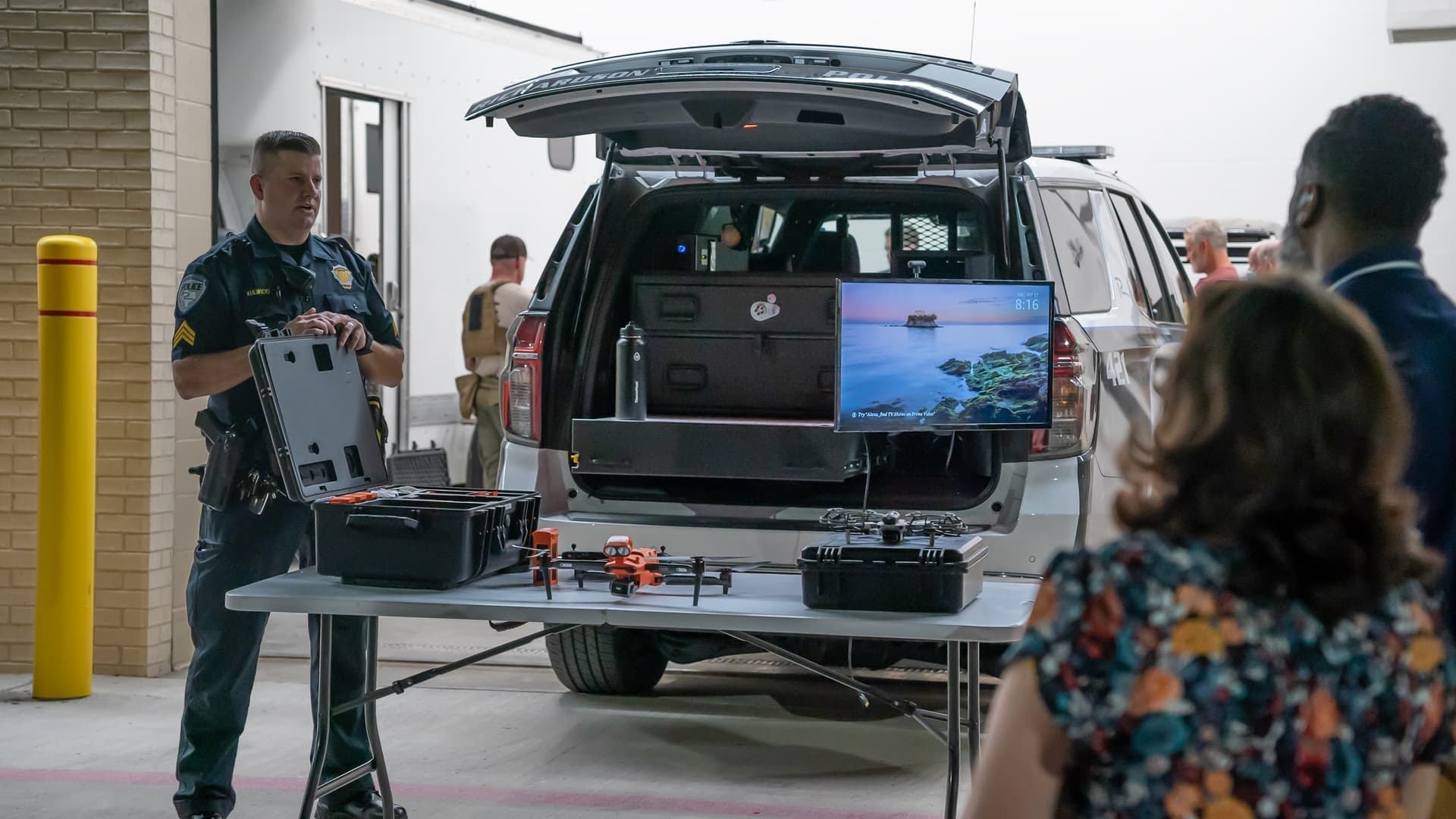
Magner said the new Legislature could also take action on some issues that would present new challenges for the city, including public safety issues like Flock cameras, first responder drones and marijuana.
“We could be into the session a little ways before we really understand what are they going to progress and what do we need to be prepared to be involved in sharing our position?” Magner said.
In the meantime, Magner said the city is working to establish good relationships with existing and newly elected officials to ensure that the city’s priorities will be represented during the session.
A closer look
Richardson intends to support any legislation that aims for greater public fiscal transparency but would oppose legislation that would restrict the city’s ability to control its funds, including taxes, revenues or expenditures, per city documents.
Richardson also intends to support legislation that funds statewide and regional efforts to improve multi-modal transportation and safety of the statewide transportation system.
Economic priorities include preserving the city’s existing economic development and local regulatory authority, maintaining a strong electric grid and promoting and enhancing Richardson’s existing arts and culture.
The city also supports legislation that would enhance public safety initiatives, including providing grant funding or other resources to protect local law enforcement officers, enhancing their ability to fight cybercrime and protecting their ability to responsibly utilize artificial intelligence. Richardson will also oppose any legislation that decriminalizes marijuana.
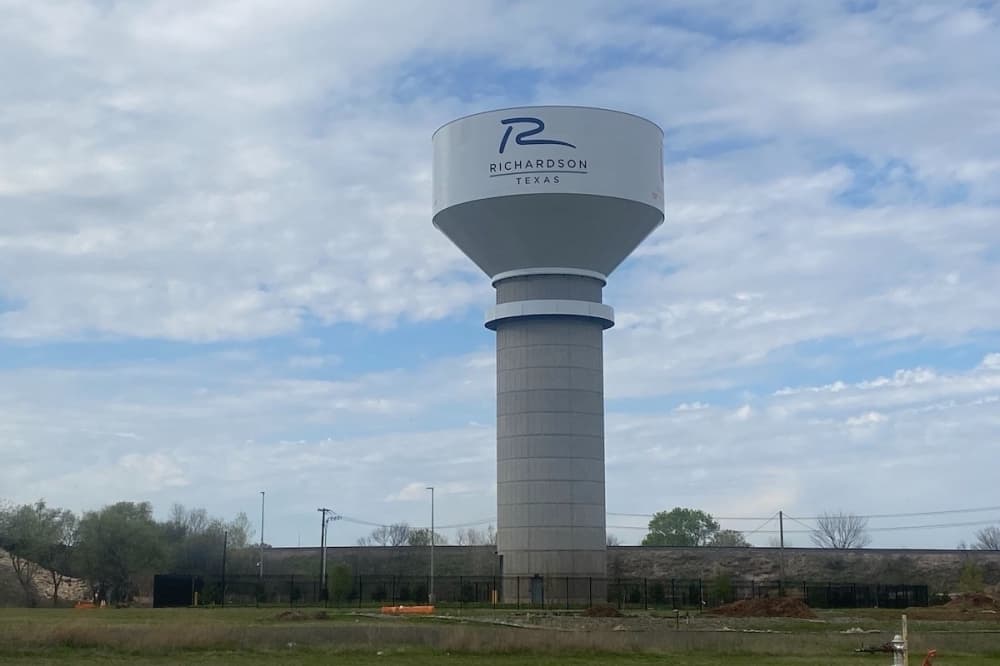
Additional priorities include increasing funding for water development and ensuring access to enough water supplies to meet current and future demand.
Richardson will also support the legislative agendas of a number of community partners, including Collin County, Dallas Area Rapid Transit, Richardson ISD, Plano ISD and the University of Texas at Dallas.
Looking ahead
Key dates for the upcoming legislative sessions include:
Nov. 9: First day for Texas state legislators to file bills
Jan. 3: U.S. Congress session begins
Jan. 12: Texas legislative session begins
May 31: Texas legislative session concludes