Prosper officials are looking to keep the town’s property tax rate steady as they consider a $139.2 million budget for fiscal year 2026-27, according to the town’s preliminary budget.
Prosper Town Council set a maximum property tax rate of $0.505000 per $100 in valuation, which is equal to the current property tax rate, at an Aug. 11 meeting.
Although the proposed tax rate is the same as last year, Prosper’s average homestead taxable value has risen, meaning the average homestead tax bill is expected to increase from $3,518 in FY 2025-26 to $3,633 in FY 2026-27, according to a presentation by Finance Director Chris Landrum.
Council will vote on the proposed budget and property tax rate Sept. 8.
The funding source
Despite the level property tax rate, officials expect to collect an additional $2.7 million in property tax because of an increase in certified property valuations, according to town documents.
Total property value in Prosper increased from $10.8 billion in FY 2025-26 to $11.5 billion in FY 2026-27, largely due to new construction, per the budget.
Town officials also expect to collect $13.7 million in sales tax revenue in FY 2026-27, up from $13.2 million in the FY 2025-26 budget.
Officials attributed the projected increases in property and sales tax collection to Prosper’s growing population, new homes being built and upcoming commercial developments like Westfork Crossing, Eagle Crossing Phase 2 and Gates of Prosper Phase 3B, per the preliminary budget.
Breaking it down
Expenditures in the town’s general fund are expected to increase roughly 6% compared to last year’s budget, including a “tremendous” 11.5% increase in recurring expenses, Landrum said.
Much of that increase in recurring expenses is due to salaries and benefits, he said.
Town officials do not plan to add any positions using revenue from the general fund, according to the preliminary budget.
Instead, the personnel-related budget increases reflect additional compensation for existing employees, especially for public safety employees like police officers, firefighters and dispatch operators, Landrum said.
“This is about taking care of the employees that we have,” Town Manager Mario Canizares said.
Measuring the impact
While the budget does not include any new positions in the general fund, there are four new positions planned for the town’s utility funds, according to Landrum’s presentation.
The new positions will support water, sewer and stormwater operations, per the presentation.
Town officials are proposing multiple years of water and wastewater rate increases to compensate for the increasing cost of water from the North Texas Municipal Water District, Landrum said.
“Unfortunately, we’ve had to pass that on to the consumer,” he said.
The proposed rate increase is expected to inflate the average residential water and wastewater bill from $177.70 to $208.04, according to his presentation.
One more thing
Town officials also expect to spend $74.7 million on capital projects like road improvements and new facilities in FY 2026-27, a 90% increase from last year, according to the town’s budget website.
Capital projects are often paid for with funds outside of the town’s operating budget like bonds or grants, according to the preliminary budget.
Major street projects planned for the upcoming fiscal year include:
- Widening Teel Parkway from First Street to Freeman Way
- Repairs on northbound Dallas Parkway
- Widening Coit Road from First Street to Frontier Parkway
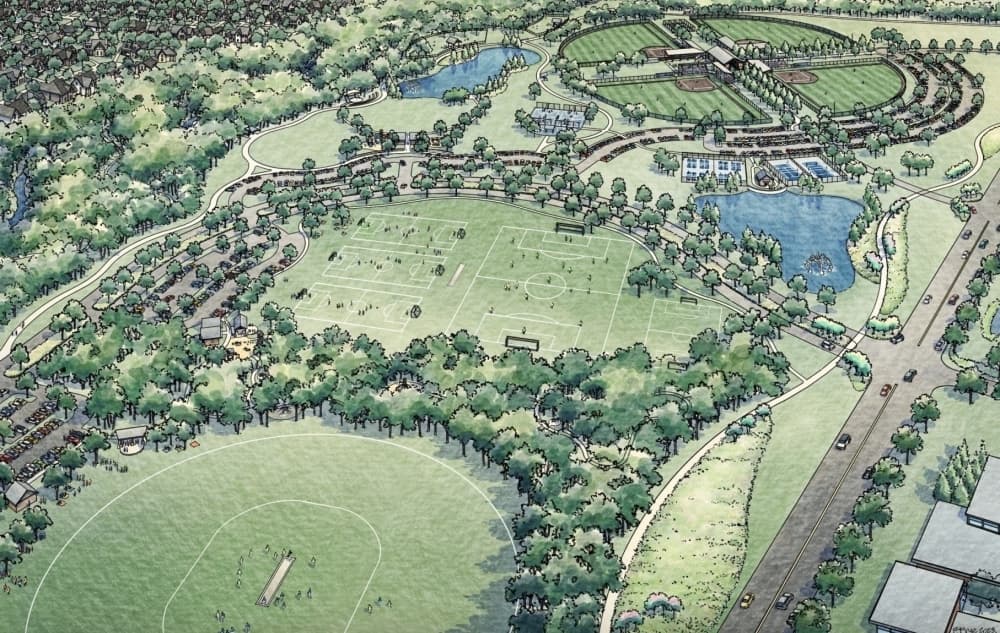
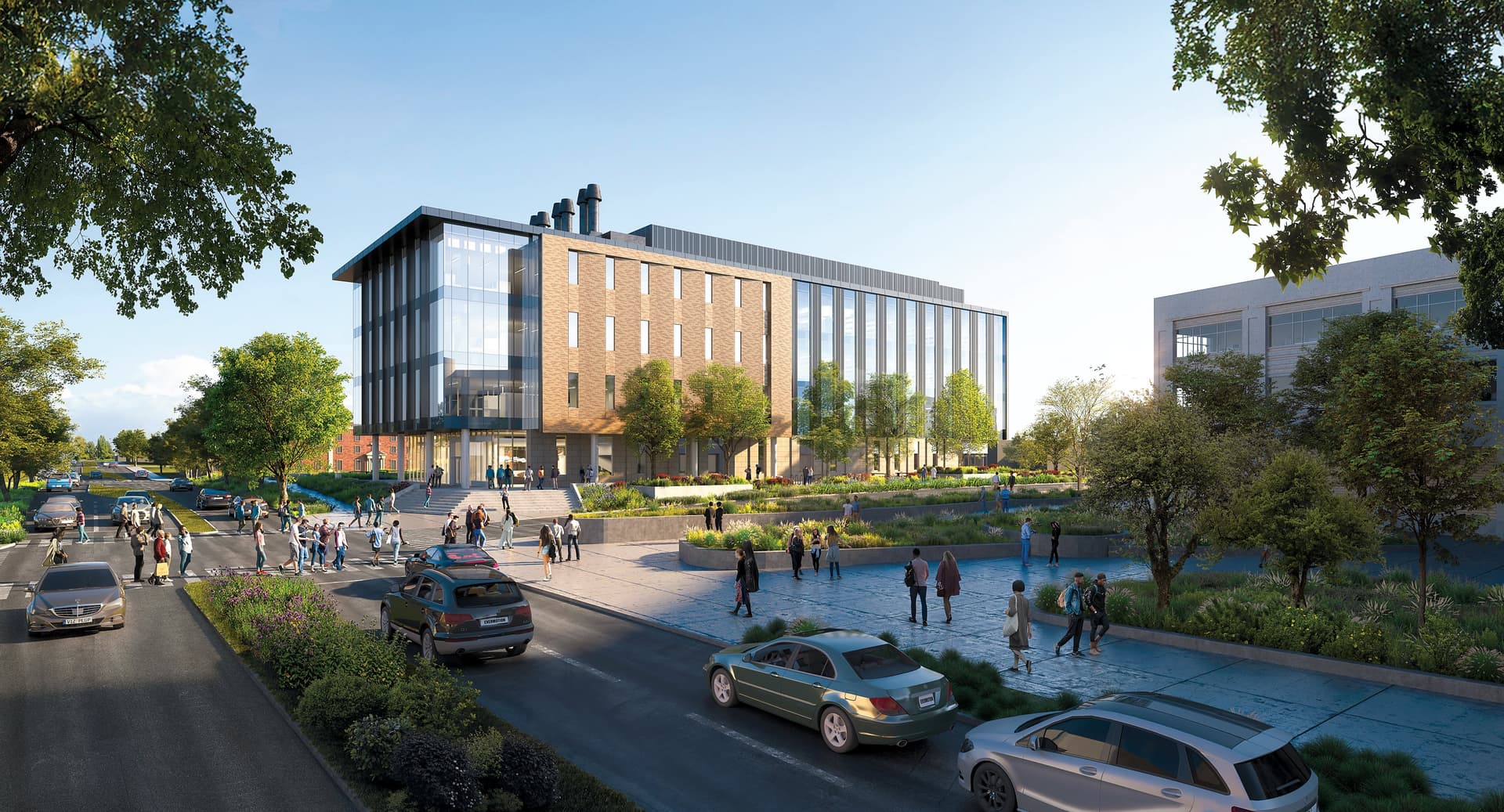
Other capital projects include park improvements, water and sewer projects and the first phase of a new parks and public works building.
Offering input
Town officials will hold a town hall for residents to give feedback on the proposed budget and property tax rate at 6 p.m. on Sept. 3 , Landrum said.
Residents can also speak at the public hearing before council votes on the budget and property tax rate at 6:15 p.m. on Sept. 8.