After months of discussion on whether to put a $59 million bond to voters in November, Friendswood officials suggested it would be more feasible to consider a bond in May.
The details
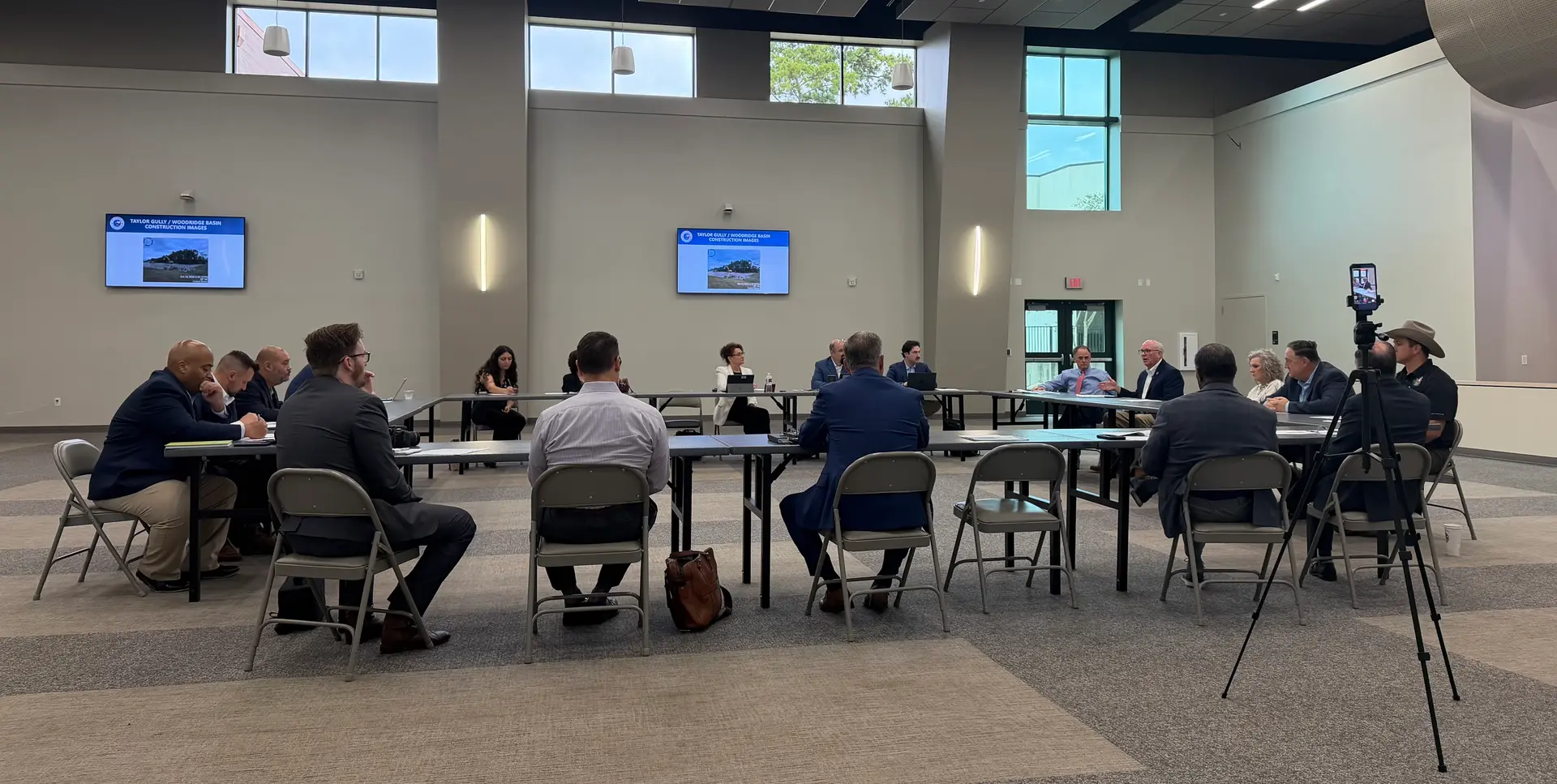
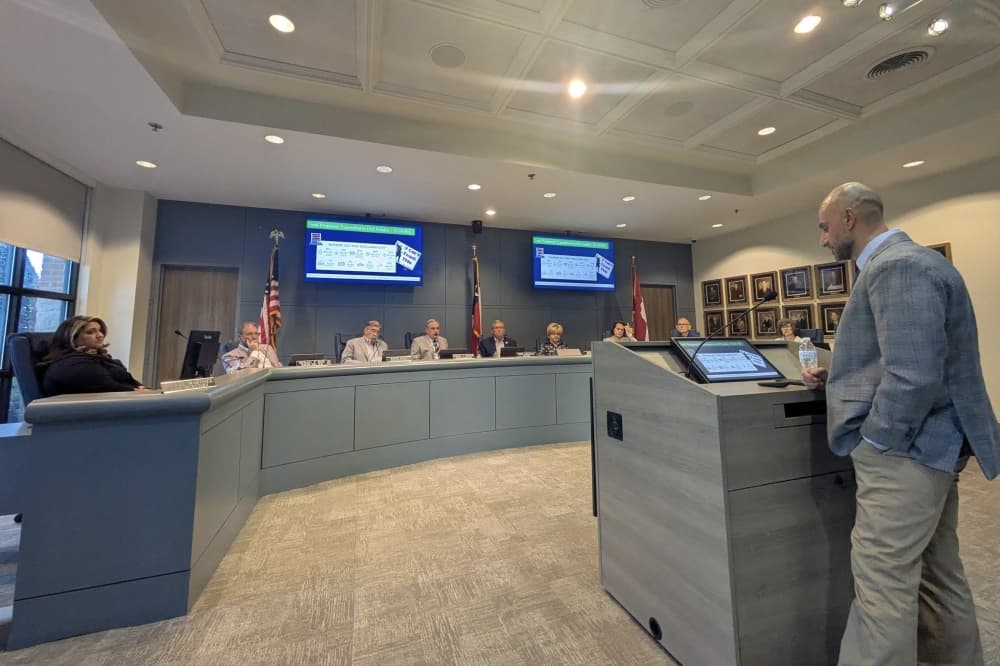
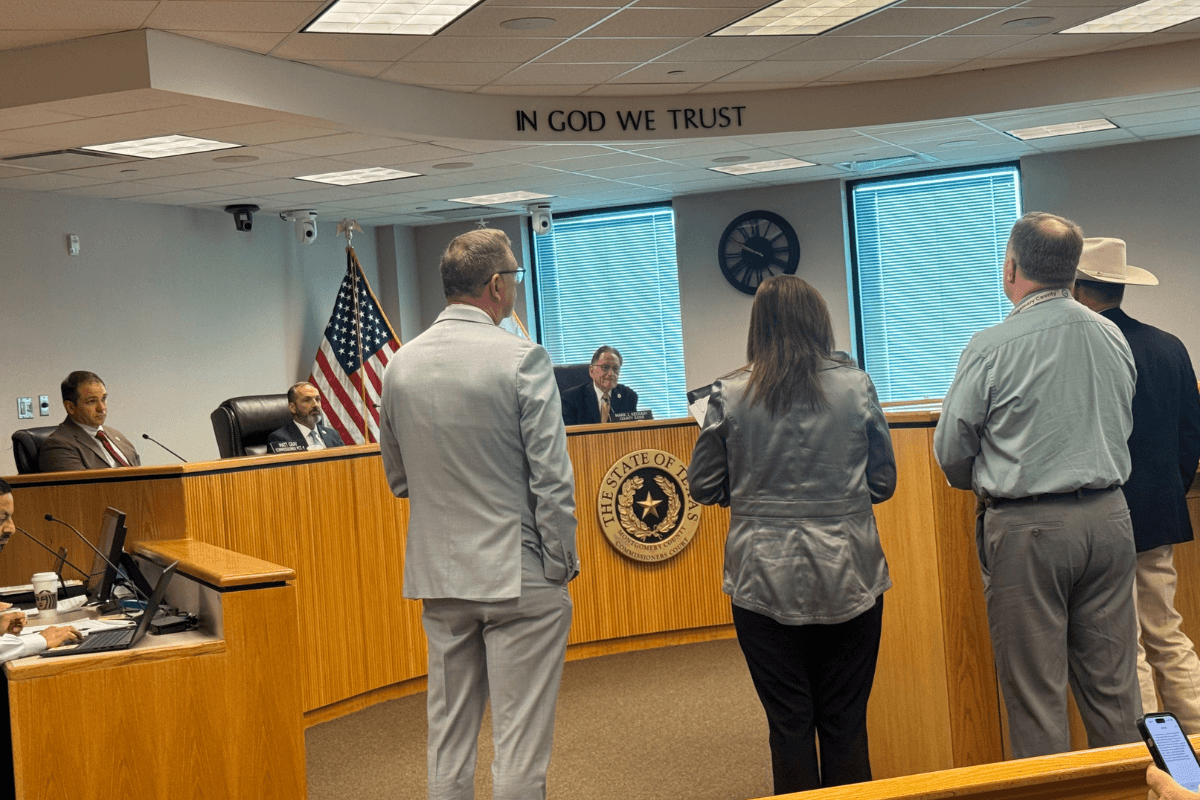
Friendswood City Council at its Aug. 3 meeting discussed the possibility of putting a bond on the November ballot; however, officials ultimately decided to move bond discussions to a later date and suggested it would be cost-efficient to put the bond on the ballot during the regular election cycle in May.
If Friendswood officials decide to call for a bond and it’s eventually approved by voters, the $59 million bond package would increase taxes for Friendswood residents by $0.02 per $100 valuation of a home, which translates to an annual increase of $95 for homes valued at $475,000, per city documents.
What’s new?
City staff made several changes to the original bond package, including increasing and reducing funds for specific projects, City Manager Morad Kabiri said at the meeting.
City staff recommended increasing the bond’s funding for sidewalks from $1 million to $10 million after a transportation study flagged significant gaps in the city’s pedestrian walkways, according to a presentation given at the meeting.
However, city staff recommended scaling back plans for a community center on Morningside Drive, which was originally scoped to cost $47 million, but was later revised to cost $16 million and reduced to 40,000 square feet.
Friendswood's original bond proposal, which was presented by the Bond Ad Hoc committee at council's June 3 meeting, had $20.34 million in drainage improvements, the highest funded category, according to previous reporting from Community Impact.
The bottom line
Because Friendswood does not own its own election equipment, it must pay Harris and Galveston counties for staffing and polling equipment, city staff said. It would cost the city $150,000 to run its own election, roughly double or triple what a May election typically runs once through shared county costs.
Yet, Kabiri said delaying the projects to be funded by the bond by six months could result in higher construction bids if inflation continues to climb.
“Waiting six months is not the end of the world,” Kabri said at the meeting. “In fact, some things may level out, ... but something could break. In the meantime, they may have to make the repair more costly. It's anybody's guess.”
Mayor Mike Foreman said given inflation and high interest rates, it could be prudent to pursue the bond next year; however, he acknowledged that doing so forces the city to scramble to find money for emergency projects between now and then.
“If I say no bond election, and tomorrow something breaks ... my office [will be] yelling at me, saying ‘I told you so,’” Foreman said.