Friendswood ISD is proposing an $81.5 million bond package split into four propositions, marking its second attempt to address aging facility replacements, limited student program capacity, and safety, security and technology updates across the district.
If approved, the district’s tax rate is projected to increase by $0.0349 per $100 valuation of property value. For a home valued at $500,000, this would be $125.64 annually.
“FISD has had one bond in the last 18 years,” FISD’s Superintendent Thad Roher said. “As the critical infrastructure continues to age, the manner in which essential projects are funded becomes a significant challenge.”
The overview
The $81.5 million bond on the May 2 ballot includes four propositions, allowing voters to approve or reject them individually.
Proposition A addresses facility upgrades, including hot water pumps, foundation repairs and fire alarm systems. It also funds land acquisition, conversion of spaces into science labs at Windsong Elementary and Bales Intermediate, and 10 bus replacements to meet state requirements.
Proposition B proposes rebuilding Westwood Elementary to address aging facility concerns. The conceptual location would expand drop-off and pick-up areas and relocate the playground away from traffic on 506 W. Edgewood Drive, Friendswood.
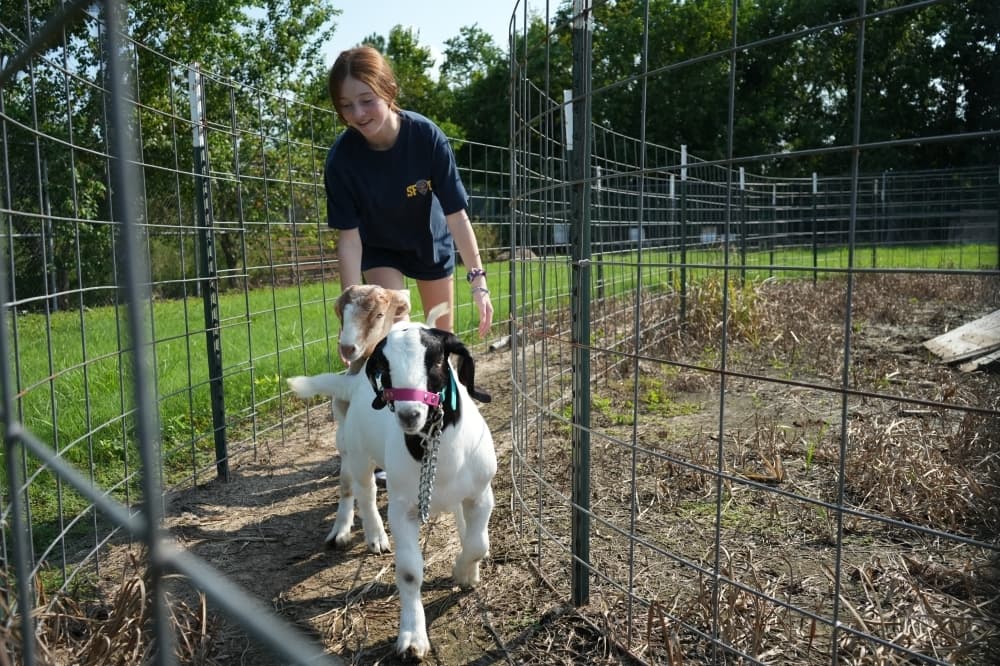
Proposition C plans for renovations to the existing agricultural building, including an expansion of 6,400 square feet for agriculture science and 9,600 square feet for welding and mechanics labs. Other additions include 150 pens, a show arena, wash areas and expanded parking for vehicles and trailers.
Proposition D funds technology replacements, including student data and financial systems, student devices and routine lifecycle updates for projectors, interactive panels and TVs.
Cost to taxpayer
The district carries $30,874 in tax-supported debt per student, which is higher than Pearland ISD at $18,446, but lower than Clear Creek ISD at $31,325 and Alvin ISD at $37,935.
If approved, the district would issue bonds and repay the debt over 32 years, similar to a mortgage, with interest rates set at the time each bond is issued.
While the total bond amount is fixed by the propositions, the cost to homeowners depends on property value and repayment term length.
“The current plan is to issue the bonds all at once rather than in multiple phases ... to allow the full scope of approved projects to streamline the financing process, reduce the uncertainty that can come with phased issuances, and better coordinate project timelines,” FISD’s Chief Financial Officer Amber Petree said.
Technology purchases will be financed no more than 10 years to align with the faster replacement cycle, Petree said.
To help create the overall bond package, the district estimated construction costs using current square-footage pricing for similar elementary schools in the Houston market, with an added inflation factor, Roher said.
“Once a bond is passed, the bid for the construction will not take place until a full design is completed. ... The inflation factor is added to accommodate this lapse in time and increase in costs,” Roher said.
What’s changed
The current bond package removes several projects from the district’s 2025 bond proposal, which was rejected by voters in November, including athletic facility upgrades, baseball and softball turf, inclusive playgrounds and a replacement campus for both Westwood and Bales.
“The items from the 2025 bond continue to be important items in the long-range facility plan, but the current climate and economy required rethinking the path toward continuing to provide facilities for the learners in FISD and learning from the input of the community members and listening to what was shared,” Roher said.
The district’s 2025 proposal was projected to increase the tax rate by $0.16 per $100 valuation, costing $576 annually for the same $500,000 home.
What’s new
In a survey the district put out related to the bond, respondents indicated greater support for a future bond if major projects were split into separate propositions and the overall tax impact was reduced.
The district worked with Huckabee Architectural Firm to review bond options using resident feedback to ensure the proposal was clear to residents while addressing the district’s needs, Huckabee representative Timothy Barnes said.
“Based on feedback received through the community survey, the [district] identified two primary parameters for the bond proposal: limiting the total bond amount to under $90 million and lessening the tax impact,” Barnes said.
What they’re saying
The feedback among Friendswood ISD residents is mixed, with both support for and opposition to the bond proposal, including:
- For: “I support the needs of our school district and think this bond proposal is well-reasoned. The district clearly heard some of the concerns regarding cost, prioritization and transparency,” Friendswood ISD resident Hillary Caruso said.
- Against: “Never trust any politician who wants to add more debt to your community without any plan to ever get you out of debt,” Friendswood ISD resident Michael Grabowski said.
What to expect
District officials note that school funding is largely tied to student enrollment, and with Friendswood ISD experiencing relatively stagnant growth over the past five years, additional funding primarily comes from the general fund, over 80% of which is allocated to employee salaries.
“The district maintenance budget is just under $1 million per year... a new HVAC chiller for a large building like the junior high costs nearly $500,000,” Roher said.
District officials emphasize that the bond reflects a balance between maintaining aging facilities and minimizing the financial impact on taxpayers, while voters ultimately will decide the outcome.
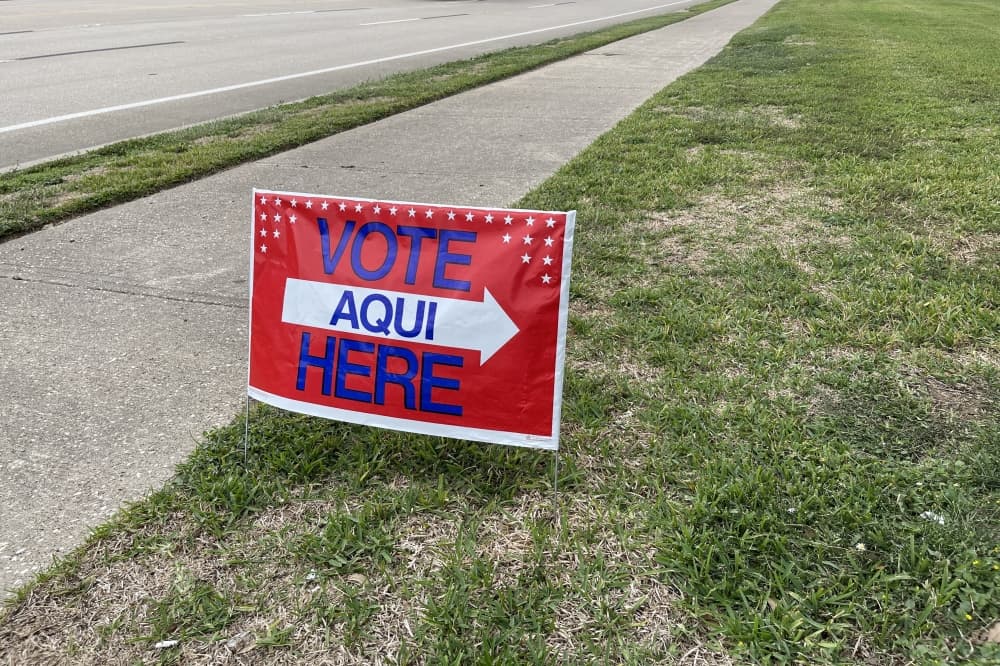
Early voting runs from April 20 through 28, ahead of the May 2 election, according to the Texas Secretary of State’s Office.
If the bond passes, the district plans to:
- Establish a bond oversight committee to provide updates for construction
- Send regular updates, photos and drone footage of major projects
If the bond fails, the district may experience:
- Potential funding for projects through the general fund
- Potential delays or prioritization of repairs and upgrades