New Braunfels ISD is one of the few districts in the state of Texas to adopt a balanced budget for fiscal year 2026-27.
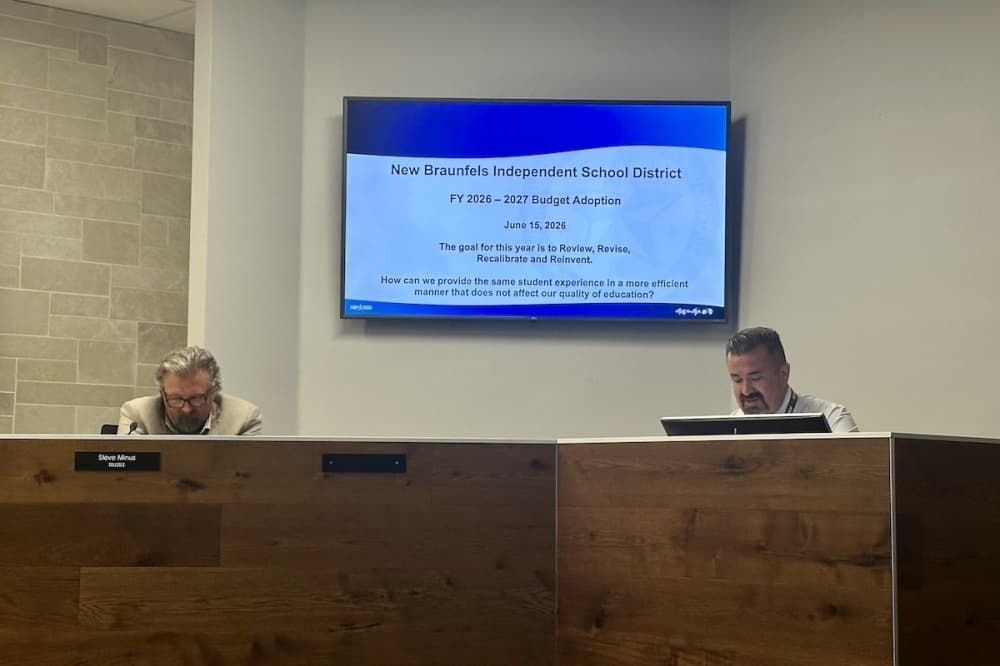
The NBISD board of trustees approved a balanced budget of $114.68 million for the 2026-27 school year, which includes a 2% pay raise for all district employees, during a June 15 meeting.
NBISD Superintendent Laurelyn Arterbury said the district was grateful to the board for choosing to invest in district staff.
“Their decision reinforces the value placed on the important role our educators and team members play in student success,” Arterbury said in a district news release.
More details
The budget includes funding for 25 new special education positions as well as funding for Long Creek High School ROTC instructors. The budget also includes a reduction in the number of days required for long-term substitute pay from 20 days to 15 days, according to the release.
As part of the budget, district staff are proposing a tax rate of $1.0522 per $100 valuation, consisting of $0.6969 for maintenance and operations, or M&O, and $0.3553 for interest and sinking, or I&S, which is debt service.
NBISD Director of Financial Services Jose Betancourt said the final maintenance and operations tax rate will likely be lower due to the state’s tax rate compression, the release states.
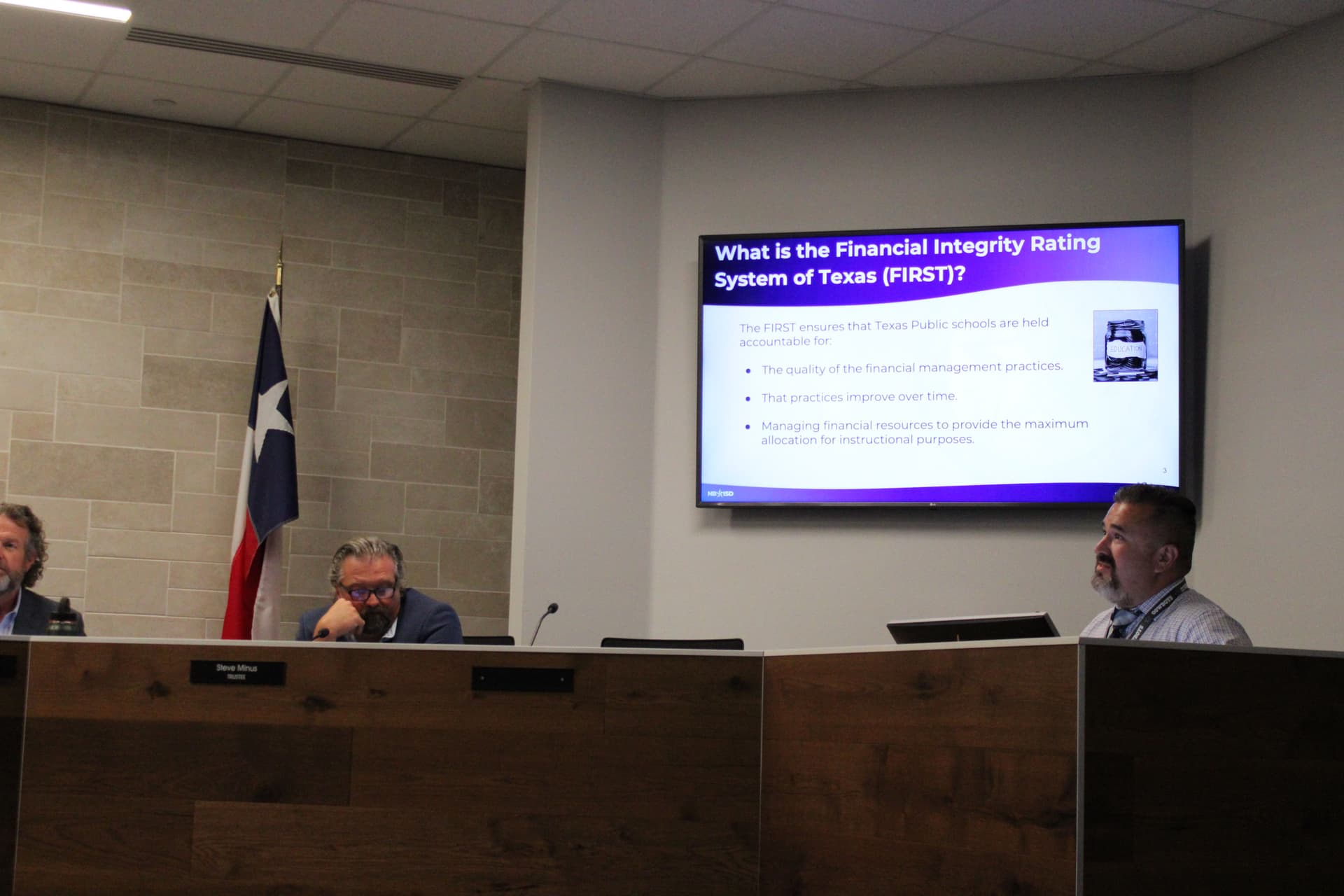
There are a myriad of factors influencing the district's budget, according to a presentation given to the board by Betancourt during the June 15 meeting. The factors include:
- Student enrollment
- Average daily attendance
- Inflation
- Increase number of special education enrollment
- Increase in property values
House Bill 2, which passed in the 89th Texas Legislature, included a $55 increase to the base amount of per-student funding schools receive from the state, which is also called basic allotment. However, the cost of living has increased by more than $1,200 due to inflation, according to Betancourt’s presentation, leaving some districts—like Judson ISD—to adopt budgets with multimillion-dollar budget shortfalls.
Notable quote
Board President Nancy York said about 80% of public school districts throughout the state have not been able to approve a balanced budget.
“I know it’s not easy, and in the years going forward it might not be possible unless we as a district can come up with something to alleviate the problem or maybe, just maybe, the state throws us a bone in the next legislative session,” York said in the release.
What’s next
The board is anticipated to adopt the tax rate for FY 2026-27 on Aug. 24, according to board documents.