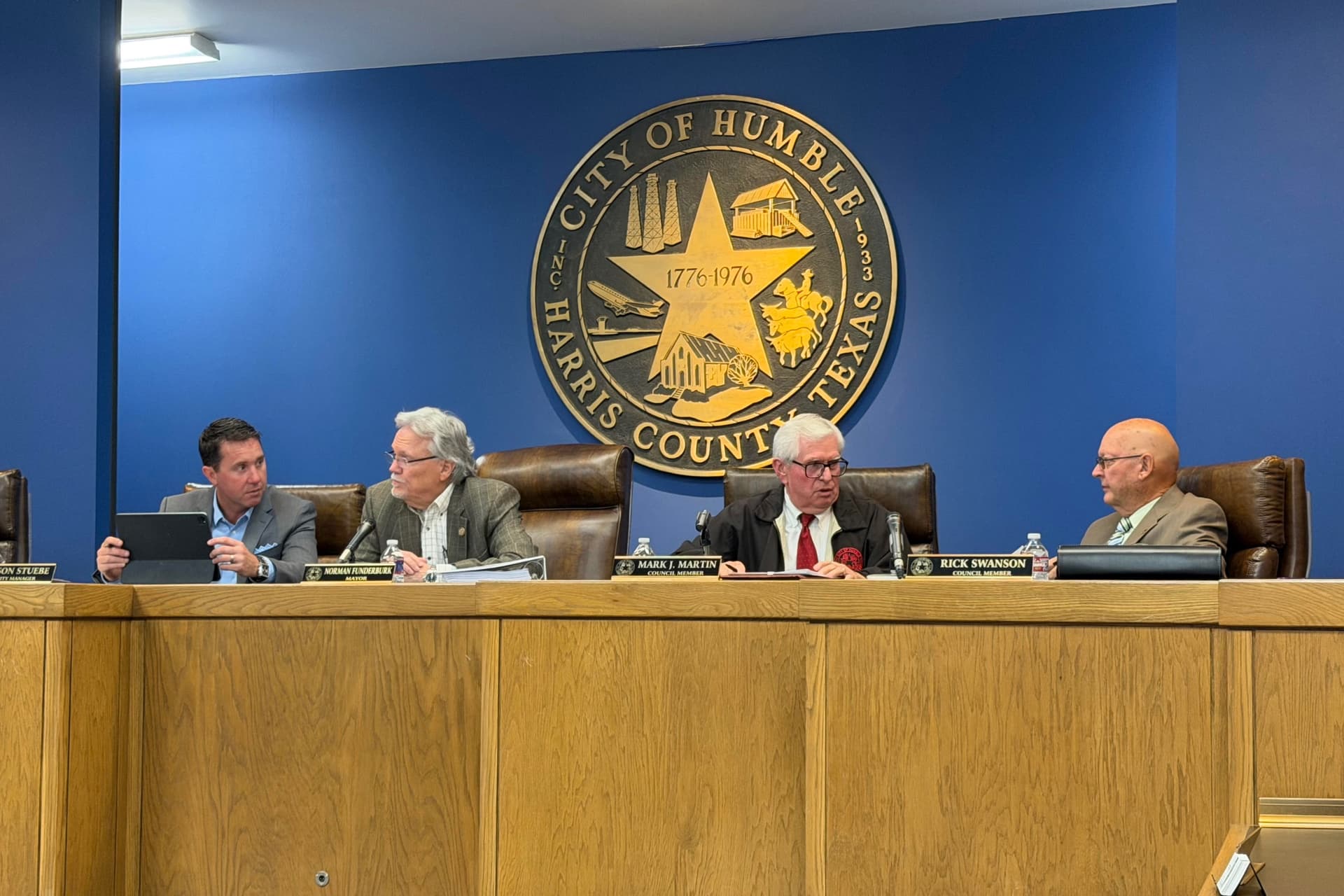
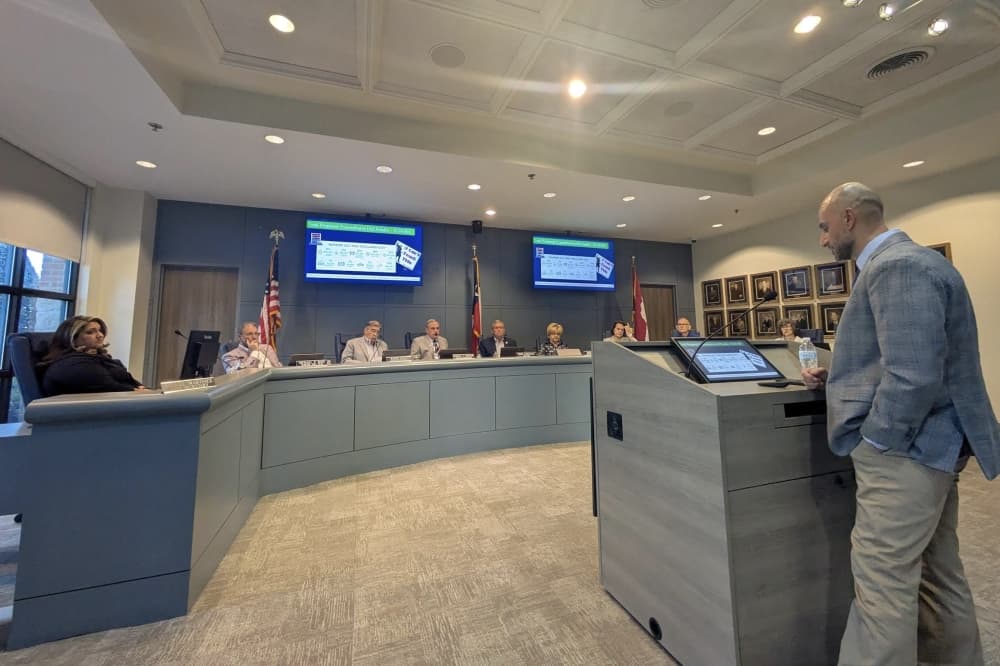
Lake Houston Dredging and Maintenance District board members discussed early obstacles the district will face as it lays the groundwork for continued dredging operations in Lake Houston.
The details
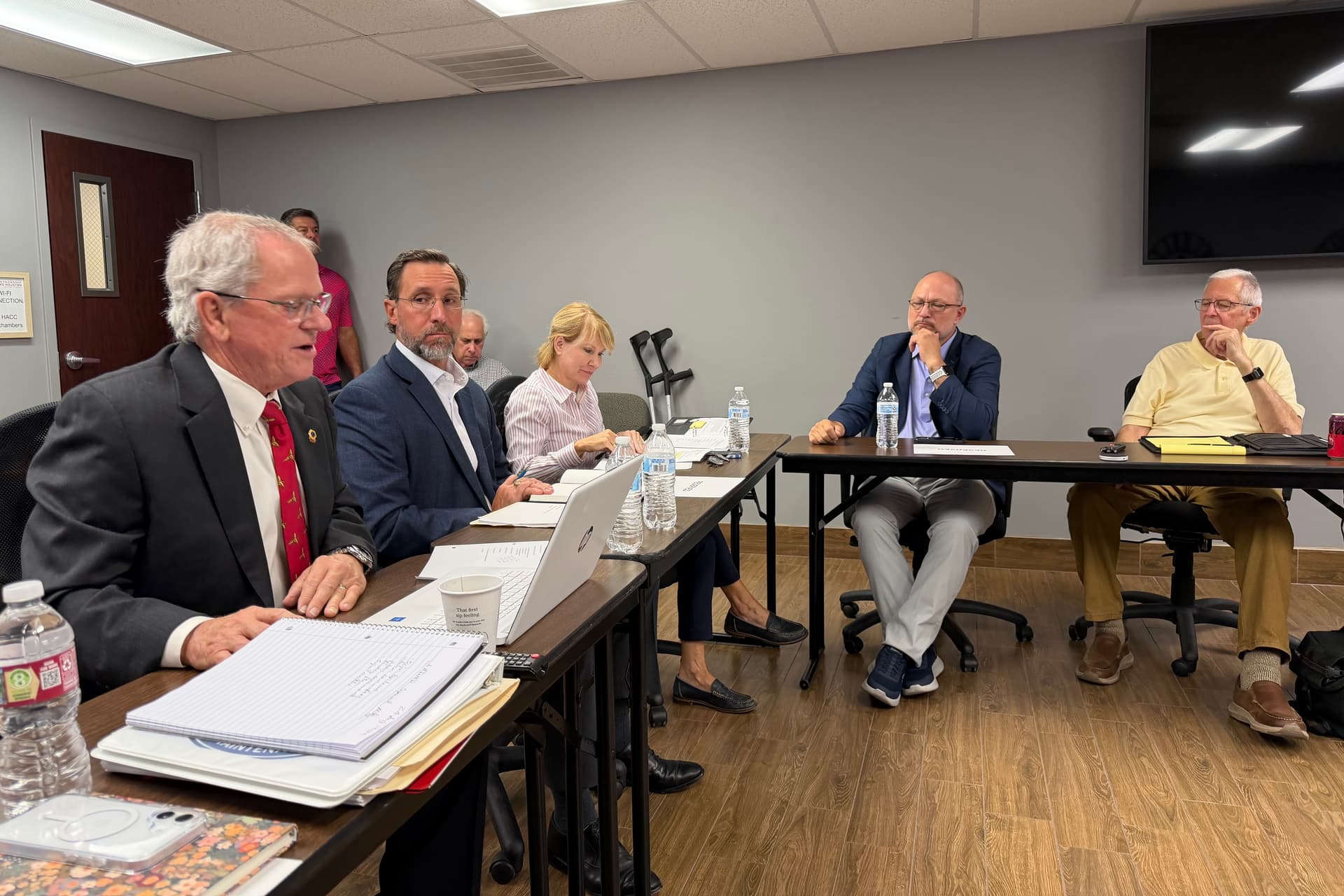
Board members provided an overview of the early challenges the district is facing during the Aug. 24 meeting.
Board Chair William Simpson indicated five major areas of work that will need to be completed as the district gets off the ground, including:
- Developing a scope of work
- Estimating costs
- Determining a funding plan
- Creating schedule milestones
- Developing a procurement plan
“We're really starting from ground zero,” Williams said. “Today, we want to strategize around how to move forward.”
Some context
State lawmakers approved House Bill 1532—authored by state Rep. Charles Cunningham, R-Humble—in May 2025, resulting in the creation of the Lake Houston Dredging and Maintenance District.
According to the bill, the district will be charged with overseeing ongoing dredging operations in Lake Houston.
After Hurricane Harvey caused massive flooding in the area in 2017, local, state and federal agencies have contributed roughly $175 million to remove more than 4 million cubic yards of sand and sediment from Lake Houston and its tributaries.
The district will now continue those efforts to provide long-term flood mitigation, Williams said.
A closer look
Williams said the district’s most pressing matter is to create a funding plan that will be submitted to state lawmakers during the 2027 legislative session.
“Our real objective here in the near term is to submit a funding plan to the state identifying what we need and where we plan to get it,” Williams said.
Once the district is operational, Williams said officials will be able to generate revenue by selling any sand, gravel, silt or other material removed from the lake.
While the district will not be able to impose any fees or new taxes, it does have the authority to eventually issue bonds that would be paid off using revenue generated by the district, according to the bill.
David Wurdlow, Houston Public Works senior assistant director of capital projects and grant management, highlighted three additional potential sources of revenue for the district, including:
- Interlocal agreements with the city of Houston or Harris County
- Additional legislative appropriations
- Post-disaster grants
Wurdlow said the first two options would likely be the most viable options in the near future.
Outside of the funding plan, Williams highlighted several needs the district would need to address while developing a long-term plan for the future, including:
- Hiring an attorney and an accountant
- Agreeing on the scope of work the district will complete
- Developing a procurement plan and web site
- Setting up board committees to help distribute work among members
- Developing ways to communicate with the public and potential partners
What’s next
The district will meet regularly at 11 a.m. on the third Monday of each month in Partnership Lake Houston’s conference room, 110 W. Main St., Humble.