Improved student success and additional support for educators were among the goals outlined in Humble ISD’s Leadership and Instructional Framework, which was presented to help officials prepare for the 2026-27 school year.
The details
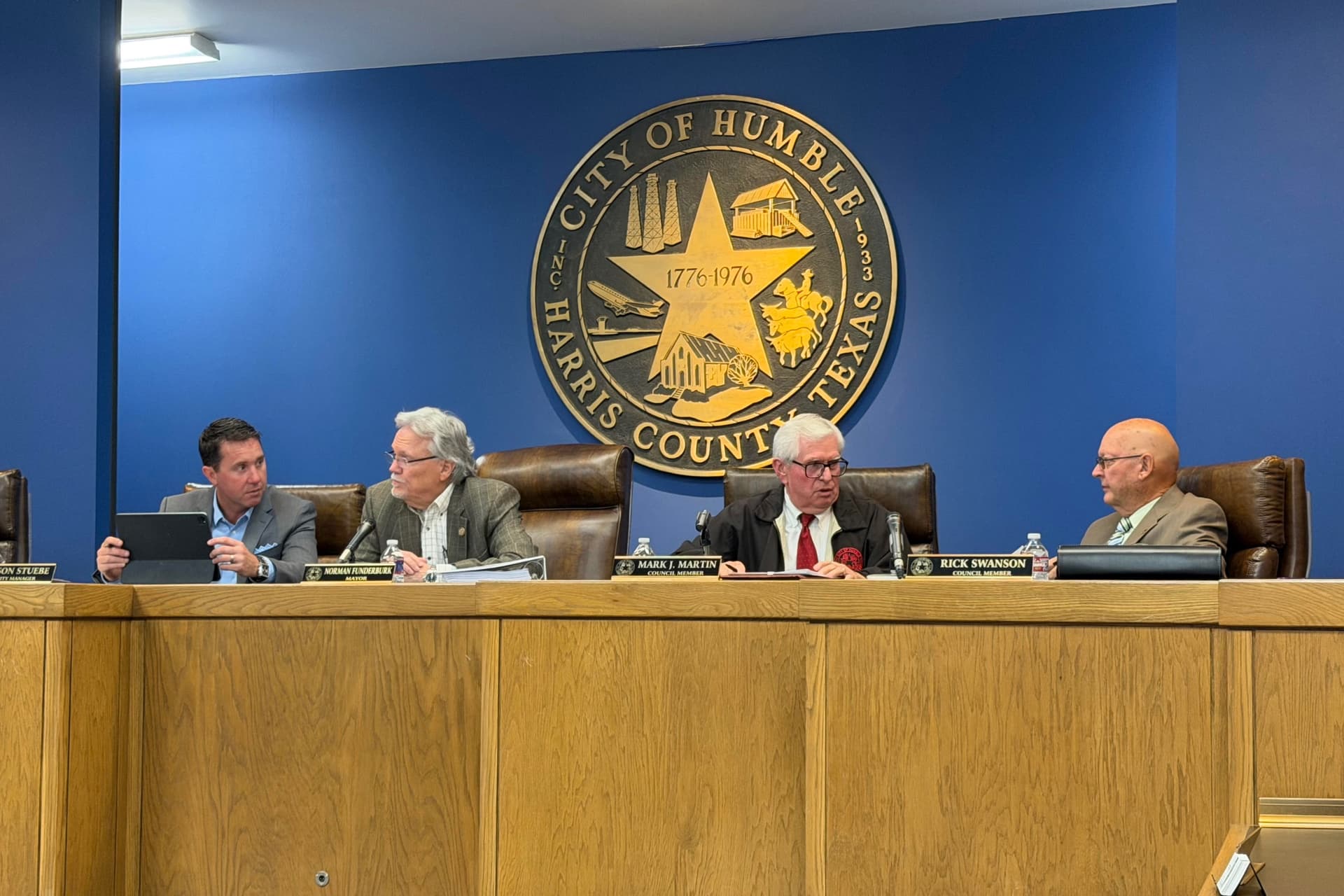
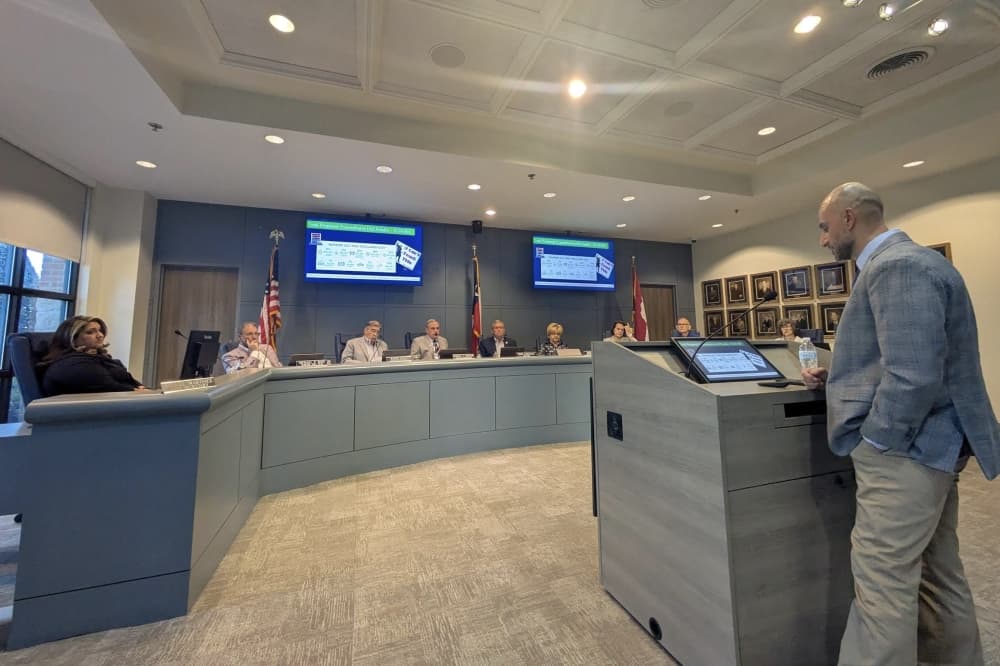
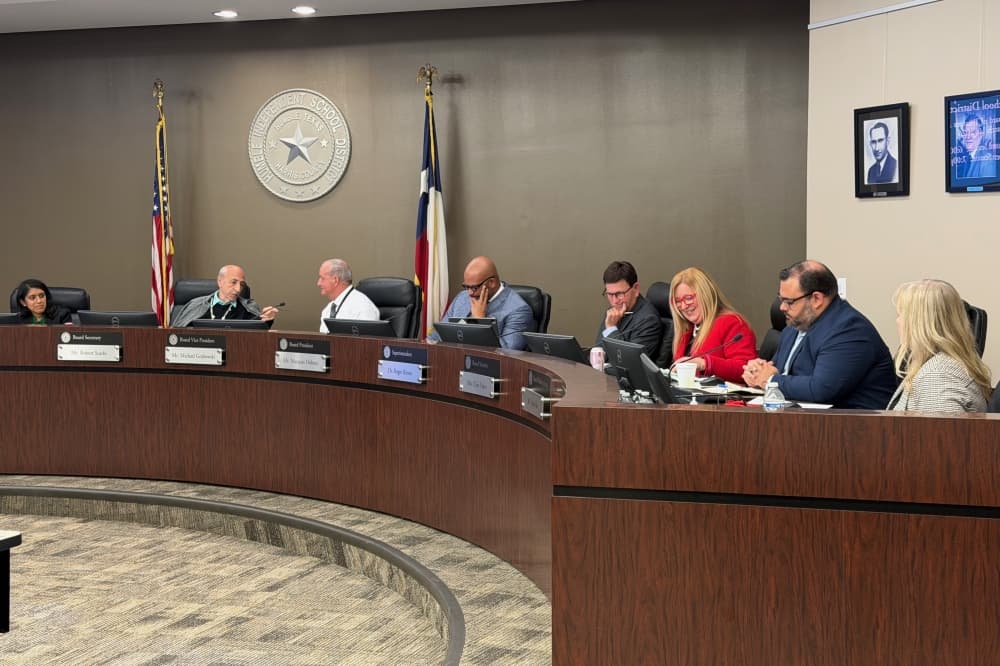
HISD Deputy Superintendent Terry Perkins provided an overview of the framework during the board’s July 16 meeting.
Perkins noted district officials were aiming for several desired outcomes with the implementation of the framework, including:
- Improved student success
- Stronger, more effective instruction
- Better support for educators
- Greater consistency across classrooms and campuses
“Our campus administrators have been asking for a common language and a common framework [defining] what Tier 1 instruction looks like in Humble ISD,” Perkins said. “This is a result of that.”
A closer look
Perkins noted the framework was created using eight distinct non-negotiables that were used to guide the creation of effective instruction in the classroom, including:
- Aligned learning objectives
- Checks for understanding
- Grade-level rigor
- Active engagement
- Monitoring and adjusting
- Clear classroom systems
- Positive classroom environments
- Differentiation
Perkins said the eight non-negotiables were used to create focus guides to help teachers understand how the objectives can be translated to success in the classroom.
“You can see what [the objective] looks like in the classroom, what it may not look like in the classroom, teacher behaviors, student behaviors,” Perkins said.
HISD Superintendent Roger Brown said regular coaching and feedback loops will be used to help teachers achieve the objectives set out in the framework.
Brown noted the district will employ the use of software platform Simbe to help coach teachers and provide feedback on their lessons and teaching methods.
“It's a software program that allows you to come in and video, and then AI will help provide analysis based on what you feed it, which are these expectations,” Brown said. “It gives our principals and the teacher an opportunity to sit down and watch and talk about that lesson. ... It really helps us all improve, and that’s what this is about.”
Perkins noted the framework was created after taking in feedback from both teachers and administrators, as well as feedback from the District Decision Making Committee.
What’s next
Perkins noted district educators and administrators received ongoing training and implementation support for the new guidelines in June and July.
In August, Perkins said teachers would begin a deeper dive into implementing the instructional guidelines outlined in the framework.
Moving forward, Perkins noted the district would continue to focus on ongoing professional development and the implementation of feedback cycles that will be used to refine and improve the framework in the future.