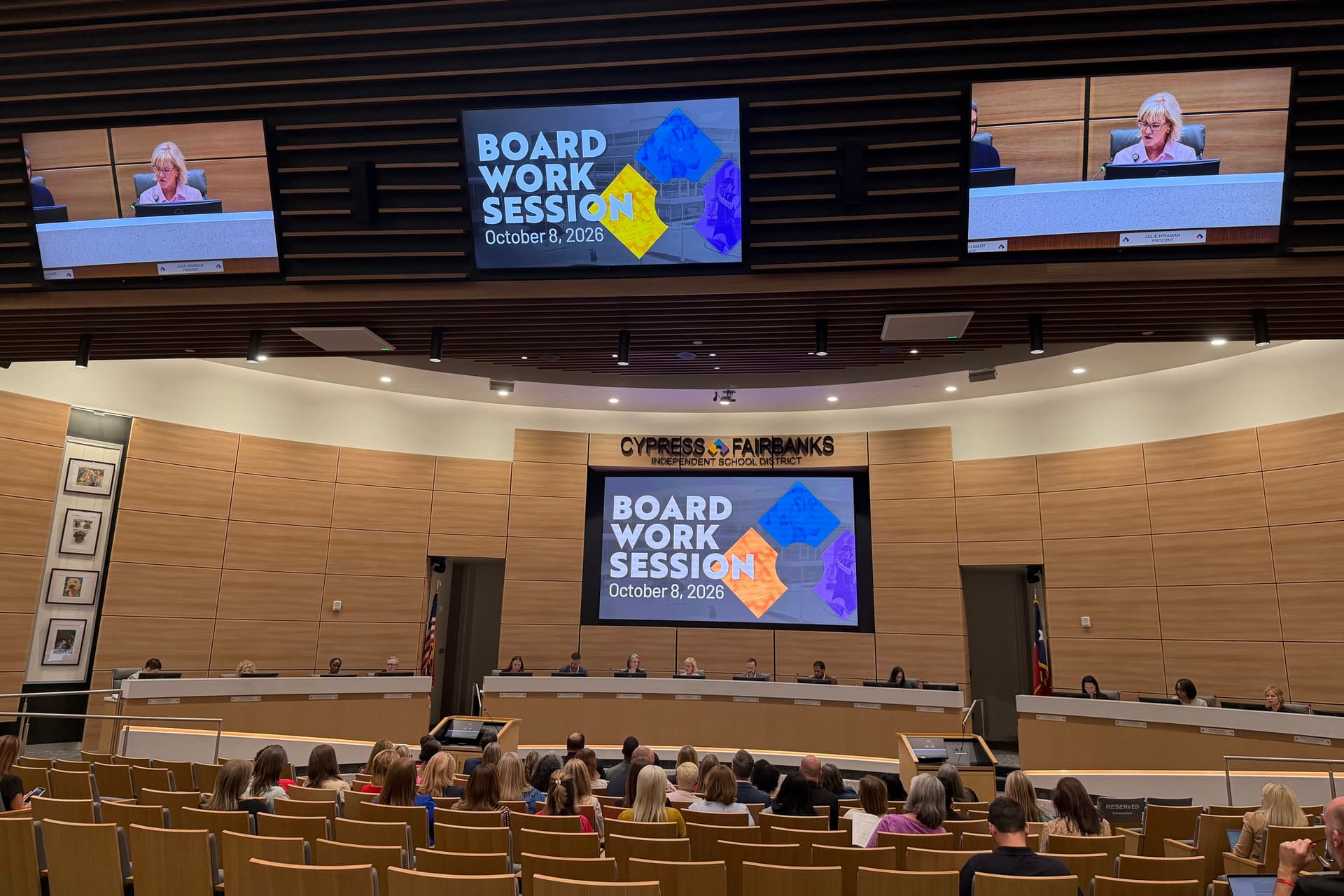
To commemorate Mental Health Awareness Month, Fort Bend County’s Behavioral Health Services department hosted a session on cultural considerations when delivering care to multicultural groups on May 12.
The department has held a series of forums and events all month long to raise awareness on a myriad of topics, like children’s mental health, trauma’s impact on brain development and compassion fatigue.
Fort Bend County is one of ten sites in the state of Texas to receive the Texas Change in Mind Learning Collaborative grant to develop a shared knowledge of brain science and race equity, said Connie Almeida, licensed psychologist and director of the county’s behavioral health services department.
The grant is presented by strategic action network, Alliance for Strong Families and Communities, which is made up of direct service organizations such as private, human-serving nonprofits; state associations such as regional federations or councils; and affiliate members like higher education institutions.
According to Alliance's website, the process of embedding brain science principles into Fort Bend County’s work will lead to improved outcomes for children and families and enhance organizational culture and leadership to build better systems and policies.
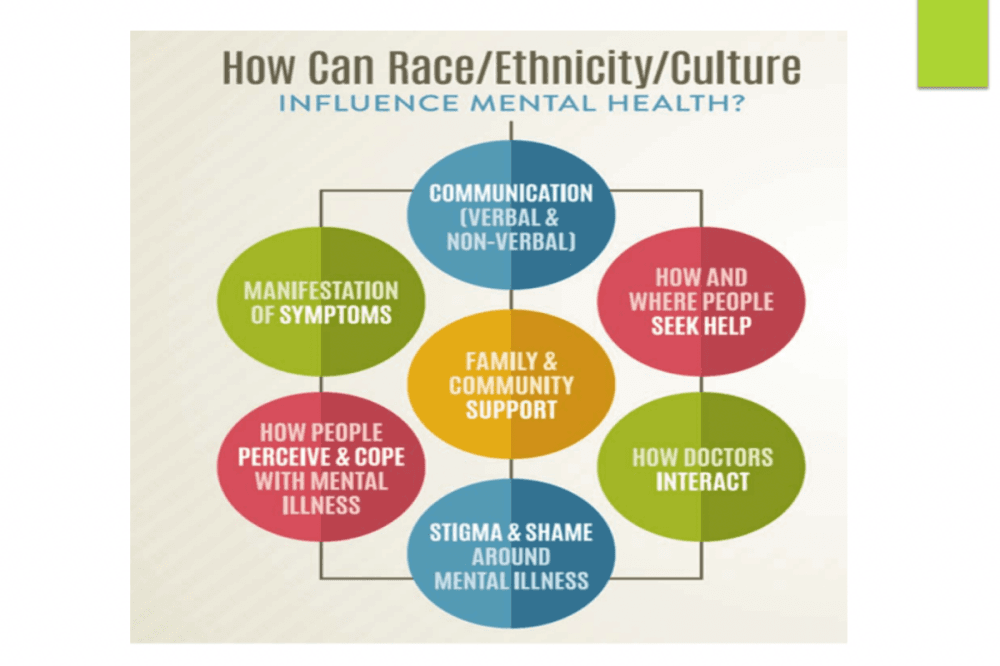
During the presentation, Almeida and Salem Kebede, a licensed mental health clinician with over ten years of experience, addressed the stigma associated with receiving mental health treatment within certain groups; culture, race, ethnicity and identity; and the importance of cultural competence and humility as physicians relate to clients and in peer-to-peer interactions.
Kebede said all of these are significant to a person’s psychological wellbeing, the level of care and treatment outcomes for clients, and the credibility of providers.
“Culture, race and ethnicity is a dynamic force that often informs a client’s response to treatment and the outcome of the treatment, the level of engagement and how they interpret their experiences, what they are and what they are not willing to expose when it comes to mental health treatment,” Kebede said.
Kebede differentiated between race, ethnicity and culture in her presentation. For example, Latinx is defined by the Census Bureau as an ethnic identity, she said, and can belong to a number of races.
In explaining the relevancy of racial designation in terms of mental health, Kebede said it can have “a tremendous social significance regarding behavioral health services, social opportunities, status and wealth.”
To show how cultural identity and geographic location both play a role in mental health and also how it constantly evolves, Kebede referenced her own upbringing in East Africa, where there was a “more conservative lifestyle” with mental health “seen as a weakness.”
Kebede said she went through a shift when she transitioned to the United States, and has been exposed to different cultures and perspectives in her professional experience. So much so, that her original worldview has changed, she said.