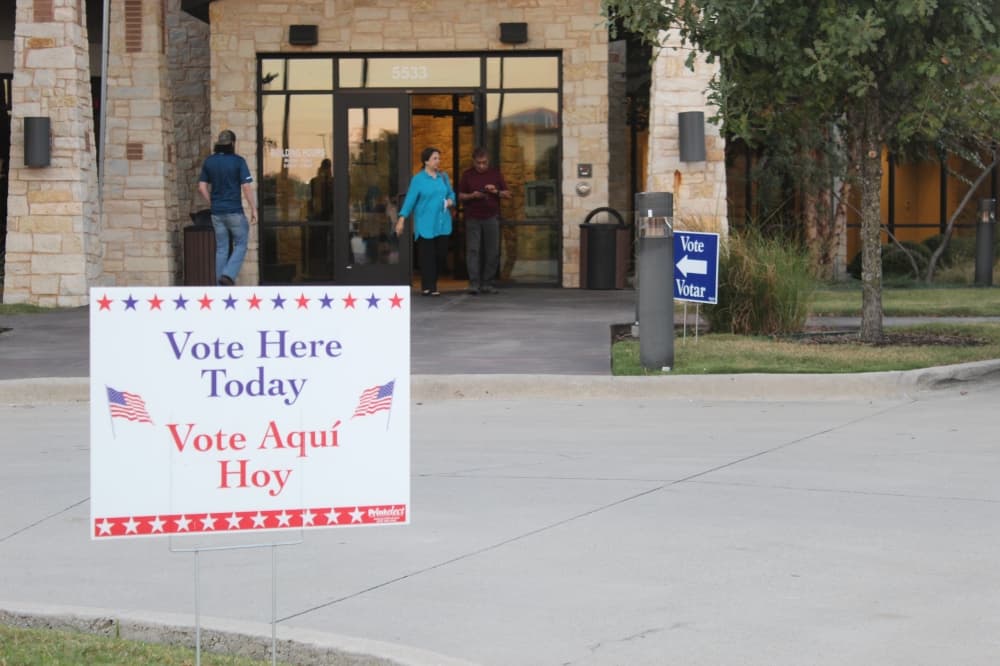
Local transportation organizations are gearing up for the Nov. 3 election with Proposition 7 and road bond proposals for both Harris and Montgomery counties on the ballot. Alan Clark is the director of transportation planning for the Houston-Galveston Area Council and has more than 30 years of transportation experience with the agency. Clark also worked as a transportation planner with the Metropolitan Transit Authority of Harris County and as a traffic-engineering consultant. Jeff Collins, a board member for the Transportation Advocacy Group, has more than 35 years of engineering experience and is the vice president of the public infrastructure division for LJA Engineering.
How important are the Harris and Montgomery county road bonds to funding road projects and accommodating growth in the Greater Houston area?
Clark: The [counties are] having to rebuild their roads from rural highways with just a couple of open lanes and big open ditches into modern urban infrastructure that can accommodate pedestrians and cyclists as well as multilane traffic intersections that need sophisticated traffic control and signage that they never dreamed about 20 years ago. So those bonds are extremely critical ... in making sure that someone traveling doesn’t spend more time getting to the freeway than they will [spend] once on it. Collins: Really, it’s just growth. You put more cars on the road [and congestion worsens]—and then we know our issues with transit. We’re behind on the transit side so more cars are on the road and [the roads] are congested.
What will Proposition 7 mean for statewide transportation funding?
Clark: There [are] three Rs I would tell everyone [as to] why we do this: Repair what we’ve got, remove the bottlenecks and let’s reduce accidents. If we could do those three things with this money, then we can agree that some part of your daily experience will be better. I would also say it’s important to remember what this is not. It’s not a new tax. It’s not a new fee. This is taking some of that fantastic growth the state is experiencing and saying we need to invest it back into one of the things that got us here—our highways. Collins: It was calculated that the state needs an additional $5 billion a year in order to maintain congestion the way that it is now, meaning if you’ve got a 30 minute drive now it’s going to stay 30 minutes. The Legislature first took action with Prop. 1, which was passed two legislative sessions ago and took oil and gas severance tax money and diverted that to transportation. First year that was $1.7 billion, but because of the [lower] price of oil and gas, that’s supposed to bring in $1.2 billion [in 2016]. So we’ve already lost $500 million.
The MAP 21 legislation, which funds the federal Highway Trust Fund, was delayed for the third time in July. What kind of pressure does that put on local entities that are waiting on federal funding to plan and begin work on mobility projects?
Clark: I think this is an old story now, and perhaps some of us are becoming a little bit immune to worrying [that] the world will stop whenever the next extension is out. But the fact is the funding that’s being provided on the federal level has not only stagnated, but it has declined since the cost of everything has continued to go up. And in Texas, the federal funding is one of the primary sources for things like mass transit. Collins: Typically, transportation bills are six-year bills, and [MAP 21] has been extended for 2 1/2 years. It really impacts the ability to do long-range planning for long-range transportation projects. That’s the reason it’s so important to get Proposition 7 done in our state because that’s going to give us that money to keep us going.