Following Fulshear City Council’s approval of amending the Belmont Estates plat, which drew opposition from residents, officials have decided to better define what two acres means in the context of the estate residential district.
The action taken
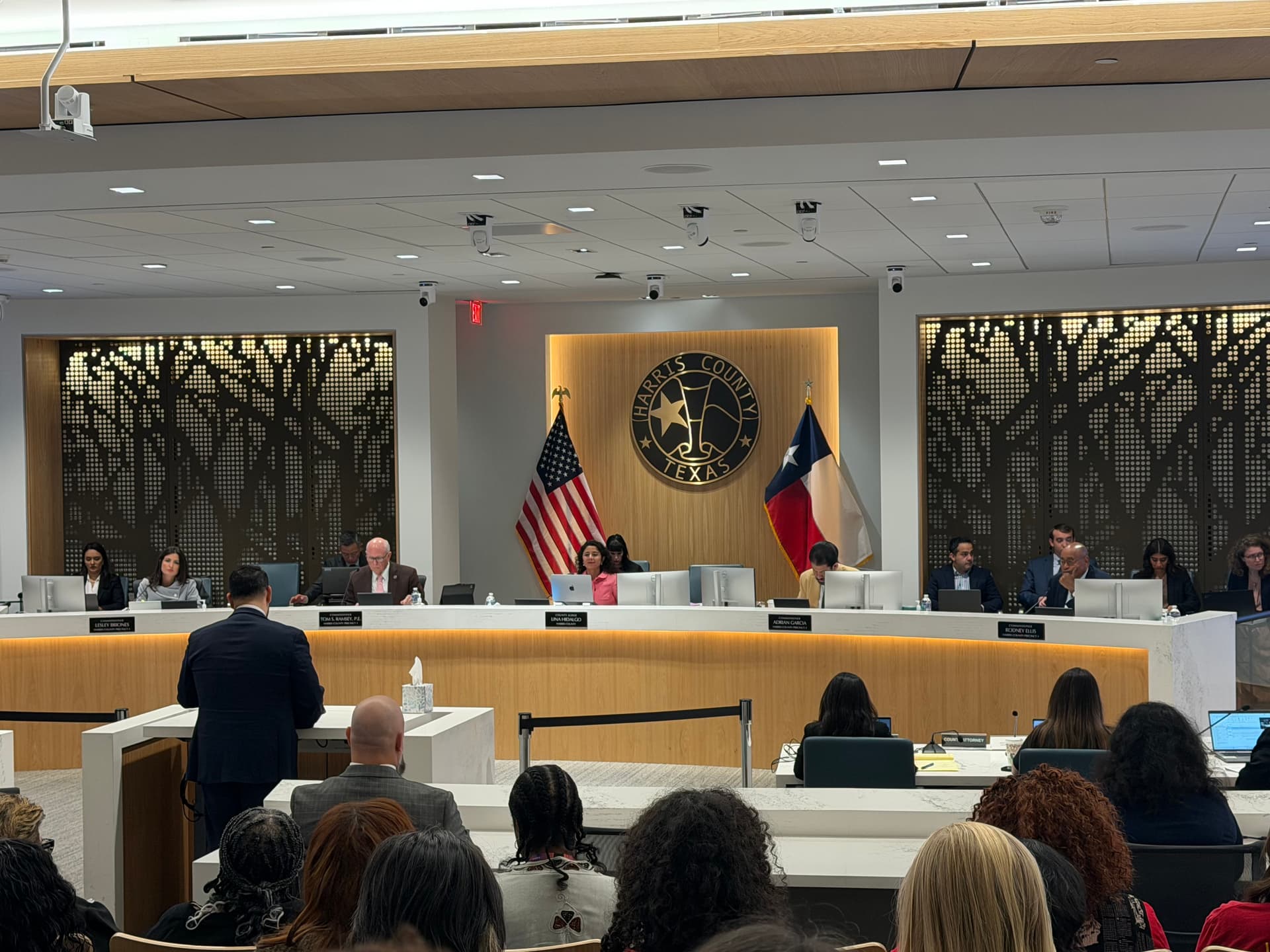
At a Sept. 15 meeting, Fulshear City Council voted to approve amending the coordinated development ordinance. The clarifying text, entitled estate residential conventional, dictates “two acres is two acres,” and that the acreage cannot include encumbering detention or drainage easements, Planning Director Josh Brothers said.
“It was viewed that our ordinance was lacking, specifically related to the definition of two acres,” Brothers said.
Sorting out details
Estate residential conventional was chosen over another option dubbed estate residential planned, where 50% of the property has to be unencumbered and have a certain percentage of compensatory acreage depending on whether it is encumbered by a dry or wet drainage facility, according to agenda documents.
Brothers said without the estate residential planned option, there is the possibility of “many instances of nonconforming properties.” However, city staff has not calculated how many properties in Fulshear already have detention or drainage easements running through them.
City Attorney Charles Zech said Fulshear’s current coordinated development ordinance does not state if a particular easement is encumbered or not, forbidding the city from “picking and choosing” which ones are.
However, Brothers said estate residential conventional still prevents detention or drainage easements or other stormwater facilities from counting toward two-acre lot sizes in the estate residential district.
Council member Abhijeet Utturkar said there are components in the ordinance that potentially need to be examined and altered, but that it could be done at a later date.
“For now, let’s close this loophole and then we’ll come back and revisit it when we’re ready,” Utturkar said.
How we got here
Fulshear City Council approved the Belmont Estates amending plat at a July 21 meeting, despite residents speaking against it after much of the property in question was encumbered with detention easements.
Prior to the meeting, the city’s planning and zoning commission recommended denying the plat.
However, the council’s decision to approve the plat was driven by the ordinance not restricting drainage easements and detention ponds from counting toward the two-acre minimum lot requirement.
Even if council had denied the plat, Brothers said there would be a “15 [calendar] day shot clock” for the developer to correct the reason behind the denial. Since a City Council meeting was not scheduled in that timeframe, it would have been automatically approved.
What they’re saying
After the July 21 decision, Mayor Pro Tem Sarah Johnson said the council and the planning and zoning commission worked together to close the gap the coordinated development ordinance presented.
“I think this is just a good exercise for all cities to do,” Johnson said. “Obviously, you need to regularly and routinely update your ordinances, but you don't want to be reactive, you want to be proactive.”