Houston Mayor John Whitmire announced May 5 that the city will implement three new measures to help close a projected $209 million budget deficit for fiscal year 2026-27.
The overview
The three new measures include:
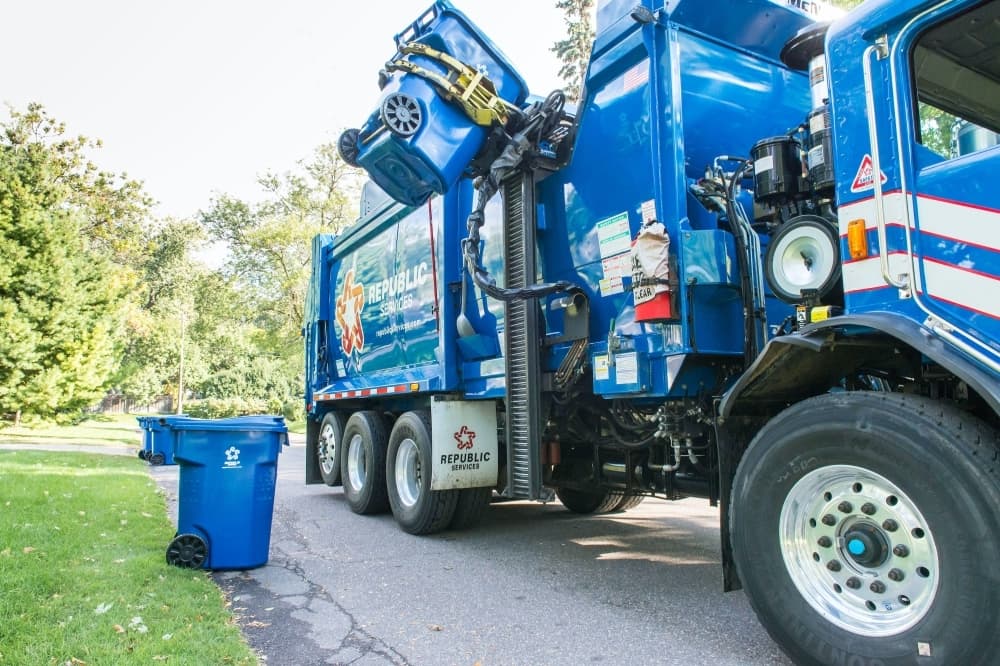
- Declaring the Solid Waste Department a municipal utility under Texas state law
- Implementing a $5 administration fee for all homeowners
- Creating a right-of-way water fee
Together, these measures are projected to provide approximately $200 million in general fund relief, effectively closing the projected FY 2026-27 budget gap, city officials said.
“There is a tremendous source of revenue that other cities are using, that, for whatever reason, the city of Houston didn’t,” Whitmire said. “Everything I’m talking about is just the beginning. It’s going to get better in the future. It’s a financial security for the city.”
Something to note
The upcoming changes do not include raising taxes, Whitmire said.
“We’re not raising property taxes,” he said. “It’s not an option at this point, due to the circumstances in our country concerning affordability, the cost of the home. Raising property taxes is not even on my mind.”
Houston approved an unchanged property tax rate for FY 2025-26 back in October—a rate of $0.5191 per $100 home valuation. The proposed rate was the same as the last two years.
Breaking it down
The solid waste department's roughly $100 million annual budget is currently funded by general property taxes, which has led to deferred maintenance and service challenges, Whitmire has said in the past.
Moving solid waste to a municipal utility, often called an enterprise fund, helps address funding challenges by separating the department from the city’s general budget to rely on user fees, service charges and other fees rather than property taxes. This effectively creates a stable, dedicated revenue stream rather than relying on tax dollars, city officials said.
The change also allows the city to implement the $5 monthly administration fee, which Whitmire said is projected to generate approximately $24 million in revenue annually. The fee will remain at $5 for two years and could increase each year until it reaches the full cost of service at $25 per month by 2032. This fee will be added to city water bills to cover trash and recycling services.
Whitmire said the fee is not considered a traditional garbage fee, which in nearby Texas cities ranges from $21 to $64. He said his administration will not enforce a "genuine garbage fee" until services are improved.
Houston is the last major city in Texas to not have a dedicated garbage fee.
More details
The city will also implement a right-of-way fee on the water and sewer system. According to the West Harris County Regional Water Authority, a right-of-way water fee is a charge that water authorities and municipalities levy on ratepayers to fund the infrastructure needed to transport water through public rights-of-way.
This fee, set at 5% of gross revenue, will transfer approximately $110 million annually from the city’s combined utility system to the general fund, city officials said. In FY 2026-27, it will help generate roughly $104 million to help close the shortfall, Whitmire said.
Final takeaways
These changes do not address the city’s FY 2025-26 budget deficit, which ends in June and currently sits around $174 million, largely due to overtime costs for public safety departments.
Houston will start its new budget season May 5 with a five-year forecast. Budget workshops will follow throughout the month, with FY 2026-27 set to begin July 1. City Council is expected to vote on the budget by June 3.
The administration fee is set to appear on homeowner's bills starting in July, after the start of the new fiscal year.
Ariel Worthy contributed to this report.