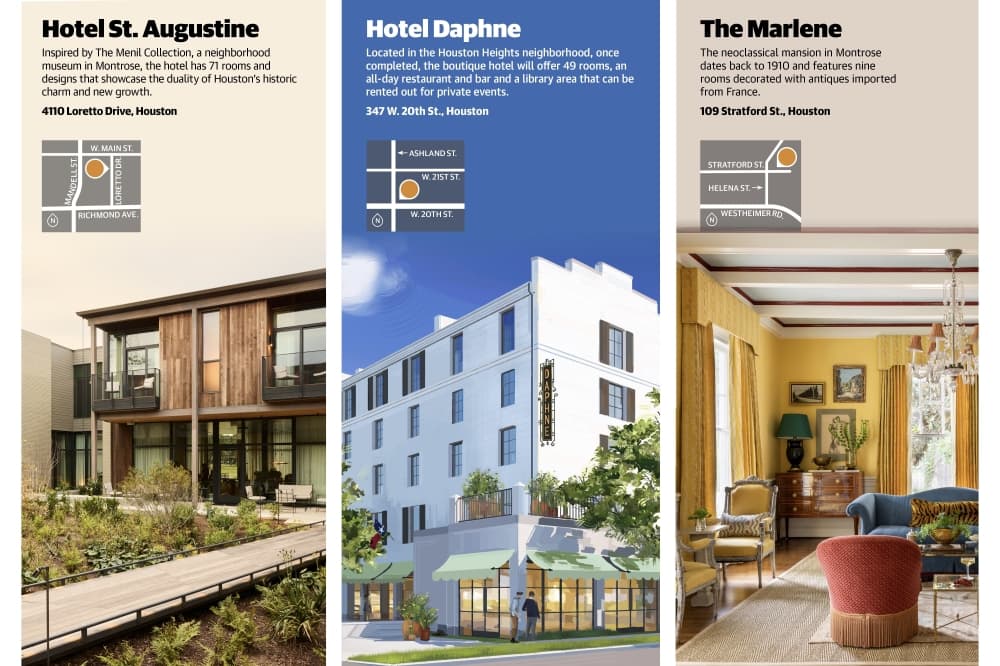
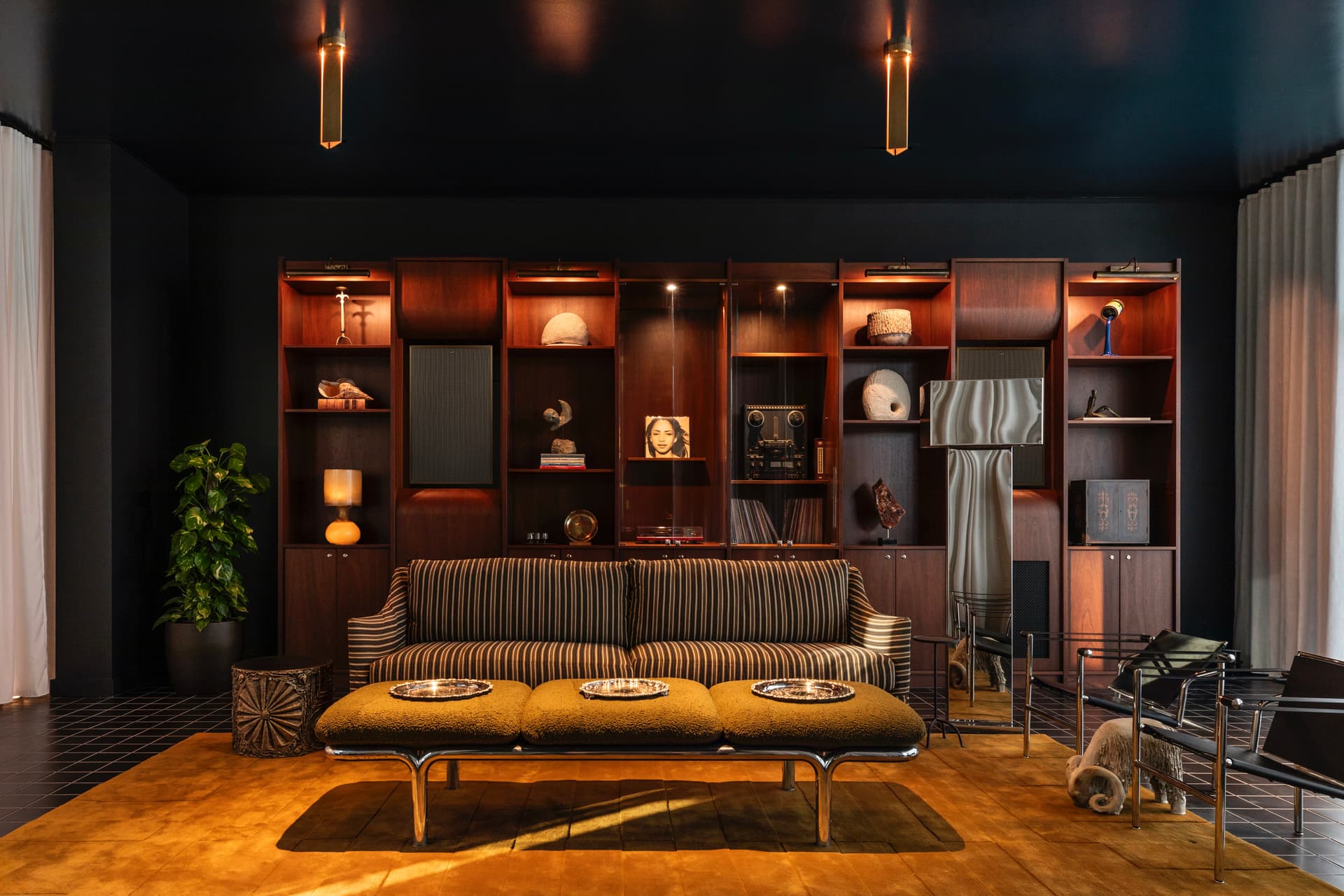
Three boutique hotels opened across Houston in 2025. (Courtesy Bunkhouse Hotels, Julie Soefer)
The Heights, Montrose and River Oaks areas have seen a rise in neighborhood boutique hotels opening in 2025. The openings coincide with Houston reaching a record number of 54 million visitors in 2024, according to the Houston First Corp.
What's happening?
As boutique hotels continue to grow in popularity, more neighborhoods are helping accommodate the city’s growing tourism industry.
For example, Lily Barfield, owner of The Marlene, said historically, the Montrose neighborhood hasn’t seen many hotels, but the numbers show that Houston is a place people keep traveling to visit. She believes smaller boutique hotels will help continue to fuel that growth.
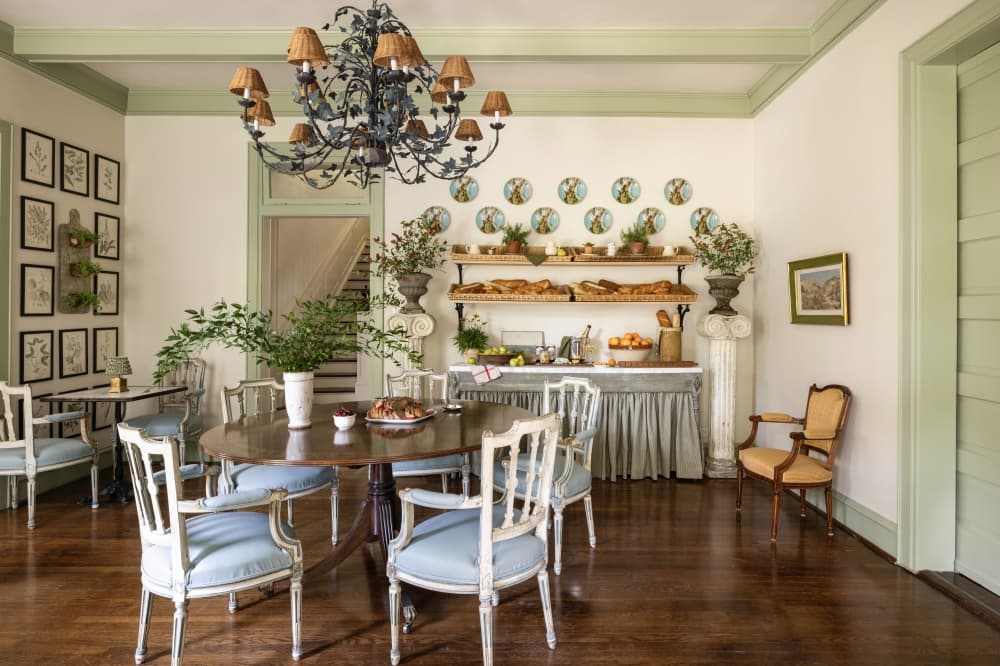
The Marlene opened over the summer and offers a nine-bedroom inn that spans three stories, an on-site cocktail bar and amenities such as a TV, sound machine and Nespresso in the rooms.
The Marlene is a neoclassical mansion that dates back to the early 1900s and boasts antique finds and artwork. (Courtesy Julie Soefer)
Lisa Bonifacio, managing director of The Lifestyle Group, which represents Bunkhouse Hotels, also said she sees travelers migrating toward boutique hotels.
“It is easier for boutique hotels to offer the local neighborhood feel, providing guests with a real sense of place, even on a quick trip,” she said.
Bunkhouse Hotels operates venues such as Hotel Daphne and Hotel St. Augustine in the Heights. Hotel Saint Augustine opened at the end of 2024, and Hotel Daphne opened Dec. 1.
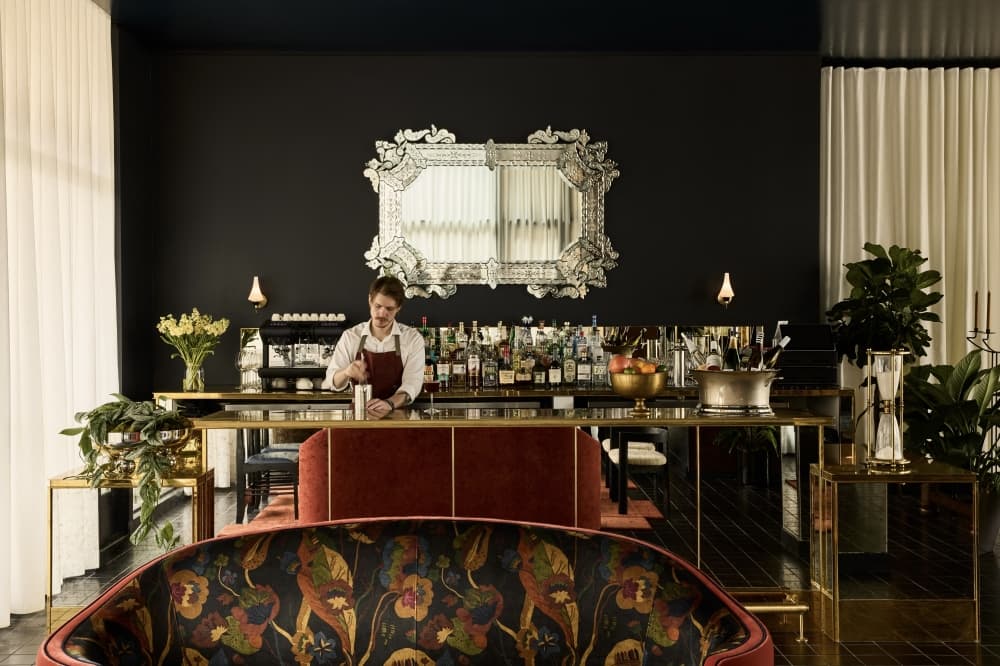
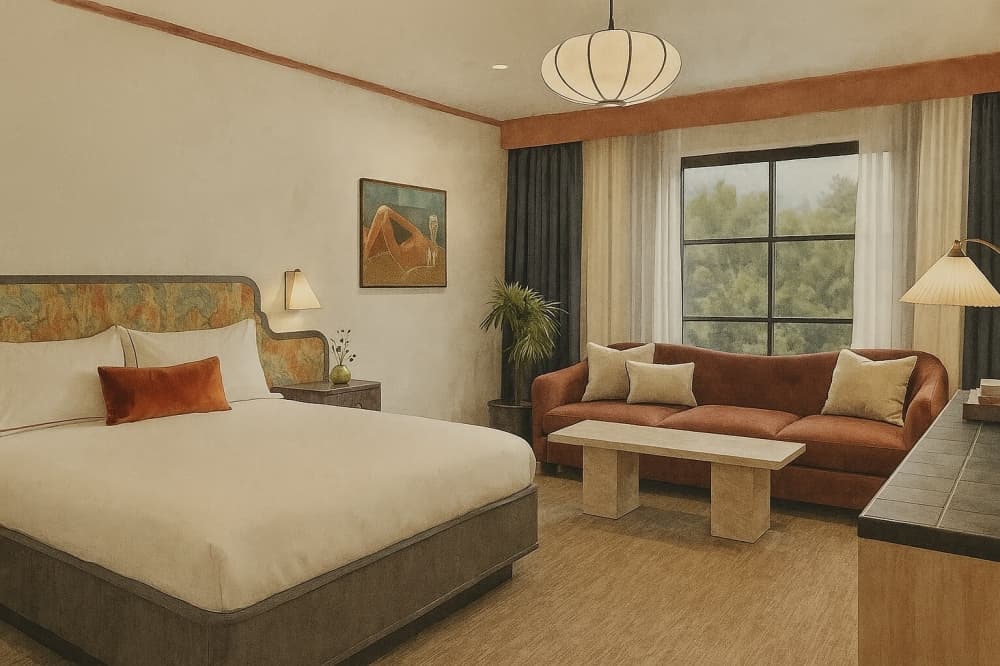
Hotel Saint Augustine includes 71 rooms and suites, an all-day restaurant and bar, as well as an all-day lounge, listening room and courtyard pool. Hotel Daphne boasts 49 rooms, an on-site fulll-service restaurant and lounge and amenities such as a library, a curated retail shop and an interior courtyard.
Hotel Saint Augustine is located in the heart of Montrose and draws inspiration from the Menil Collection. (Courtesy Nicole Franzen)
Hotel Daphne is a European-inspired escape that offers comfort and lush surroundings. (Rendering courtesy Viewpoint Studios)
Paul Vaughn, the director of data operations at Source Strategies, a company that tracks and measures Texas hotel data and analytics, also noted the rise in popularity of boutique hotels.
“This is a trend that we have seen coming up in the last decade, basically, where travelers are wanting a more localized, experiential stay when they go somewhere,” he said.
Bonifacio said large events such as the 2026 FIFA World Cup are a strong motivator for the hotels to be up and running by the new year. The FIFA World Cup, which will host seven games in Houston in June, is expected to bring tens of thousands of visitors to the city.
In 2024, the city already saw a record-breaking 54 million visitors who brought in $16 billion of economic impact, according to data from Houston’s venue management company, the Houston First Corp. Other hotel and tourism metrics from 2024 include:
Hotel revenues in the metro increased nearly 16%, well above any other major metro in Texas
The total number of visitors to the city of Houston reached 53.9 million
Visitors to Houston spent a record of nearly $11 billion
Visitors also helped generate $2.2 billion in state and local taxes and directly supported nearly 121,800 jobs
However, while the initial numbers for tourism and hotel revenue in 2025 are lower than the previous year, Michael Heckman, Houston First Corp. president and CEO, said the city has still
experienced a strong year of tourism and growth.
“Even in the face of sort of geopolitical uncertainty, tariffs on again off again and a 40-day government shutdown, we’re going to end up with another really strong year here in 2025,”
Heckman said. While predictions for 2025 show that the number of visitors will likely be lower than in 2024, experts remain positive about the city making a comeback in 2026.
More hotels are also anticipated to open in the next two years, with The Birdsall, a luxury hotel in River Oaks, expected to open in 2027.
Measuring the impact
Following the rise in occupancy and RevPAR, a hotel performance metric that calculates the revenue per available room, the cost of hotel stays has declined since 2024.
According to Todd Walker, director of feasibility and analytics at Source Strategies, nearly 1,500 rooms are under construction in the metro. He said these rooms will keep occupancy lower as there will be more rooms to fill the demand.
In their own words
In 2024, Houston saw 25.1 million rooms booked, according to data from Houston First Corp.
Barfield said she isn’t worried about running out of visitors, even though Houston isn’t necessarily known as a tourist destination.
“There’s just always going to be people visiting Houston, which is incredible as a business owner to know there’s a really strong base,” she said.
Dollars at work
Last year’s record number of visitors also led to a 15% increase in hotel revenue and contributed to a rise in the funds Houston First Corp. gives to the arts and entertainment sectors of Houston.
Heckman said the organization allocates nearly 20% of the hotel occupancy tax to the Houston Arts Alliance and predicts around $22 million will be reinvested into the arts next year. The remainder of the money will be used to market and promote Houston, he said.
“We work very hard to grow the pie because when the [hotel occupancy tax] is growing, that means all of the rest of the industry is growing,” Heckman said. “That means there are more people who are in hotels, there are more people who are going to restaurants and using transportation companies, and the ripple effect of that through the economy is incredible.”
More Development news from Heights - River Oaks - Montrose