Starting in August, Houston residents will see a new $5 administrative fee added to their water bills that city officials say will help address the city's financial challenges.
The fee was one of the biggest changes discussed for the city's fiscal year 2026-27 budget, which began July 1.
Breaking it down
Houston officials passed a $7.5 billion budget in June for fiscal year 2026-27, which notably included approval of a new $5 administrative fee that officials say will help close the city’s budget gap and address issues with the Solid Waste Department.
The new $5 monthly fee is estimated to generate about $24 million annually and is part of the funding structure to help support moving the Solid Waste Department into the Combined Utility System, which also funds water and sewer services.
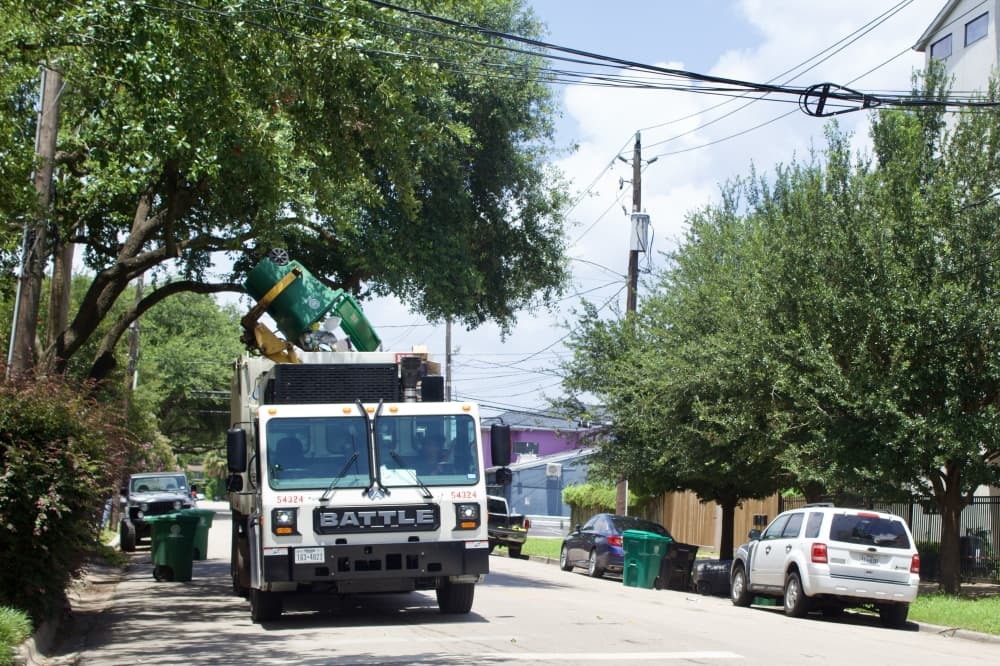
The goal is to address solid waste challenges, including outdated vehicles and inoperable facilities due to deferred maintenance.
Another change to the budget includes adding a 5% right-of-way rental fee for water and sewer utility systems, which will generate around $104 million this fiscal year.
City officials said the new fee will reduce pressure on the general fund by moving solid waste costs to utility bills rather than relying on property and sales tax revenue. Mayor John Whitmire’s administration said the new right-of-way and administrative fees will also help reduce a projected budget gap from $209 million to $25 million in FY 2026-27.
However, the gap is projected to widen again over the next five years as expenses continue to outpace revenue growth, according to the finance department. To help address those costs, the monthly solid waste fee will increase from $5 to $25 over the next several years.
City Controller Chris Hollins was a vocal critic of the budget, arguing that it lacks transparency and shifts costs from one fund to another without truly addressing the issue. Others have raised concerns about the impact of higher utility bills on residents.
However, Houston is one of the last major cities in Texas to adopt a solid waste fee.
How we got here
City officials said the budget change is mainly designed to address a backlog of deferred maintenance in the Solid Waste Department, including an aging fleet and inoperable transfer facilities.
Deputy Chief of Staff Steven David said some of the garbage trucks are 20 years old with hundreds of thousands of miles on them and create challenges for the department.
“It’s the reason why we get behind on trash ... because trucks are breaking down,” he said.
David said some of the $24 million funding generated from the new fee will go toward those projects—specifically focusing on new trucks and transfer stations.
Another viewpoint
Although some council members raised concerns about the fee, council member Edward Pollard was the only one to vote “no” against the budget, saying he was concerned the city was relying on new fees rather than addressing “overspending.”
Pollard said that while he hopes the new fee is successful, the city’s five-year financial forecast projects the budget gap growing again, which makes him question the plan’s long-term effectiveness.
“My stance is, ‘stick to the budget,’” he said. “You can put contingencies in there, you can put money for emergencies, but to spend $180 million more than what was in the proposed [FY2025-26] budget, based on overspending, was the real reason why I voted no.”
Public input
Public opinion on the fee has been split. In a city survey, 62% of respondents supported the city increasing taxes or adding fees to improve garbage services, but most said they would support only a $2 fee, with 48% saying they’d support the $5 fee.
On the other hand, not everyone agrees that the fee is the best way to generate additional revenue.
Felix Kapoor, a member of the Houston People’s Budget coalition, said the fee places the same burden on all households regardless of income or property value. He argued that increasing the property tax rate by 1 cent—up to the voter- approved revenue cap—could have generated a similar amount of revenue while distributing the cost more progressively.
“A flat fee is not an equitable solution for raising revenue,” Kapoor said, noting that the monthly charge is expected to rise from $5 to $25 over the next several years.
However, Whitmire has repeatedly said he does not support raising property taxes.
Getting help
To address affordability concerns, City Council expanded eligibility for assistance through the Water Aid to Elderly Residents Fund, or WATER, which provides up to a total of $100 over six months for qualifying elderly, low-income and disabled residents.
The fund is a donation-based assistance program that helps eligible residents with their water and wastewater bills.
City officials said that some residents may be eligible for the exemption before their first bill, but others may have to apply in August, depending on their bill cycle.
At the same time, city officials said the Solid Waste Department’s union has requested contract renegotiations for pay increases, which could increase personnel costs as the department makes transitions. Those meetings are set to take place in the fall.
The new fee will start to appear on bills in July or August.