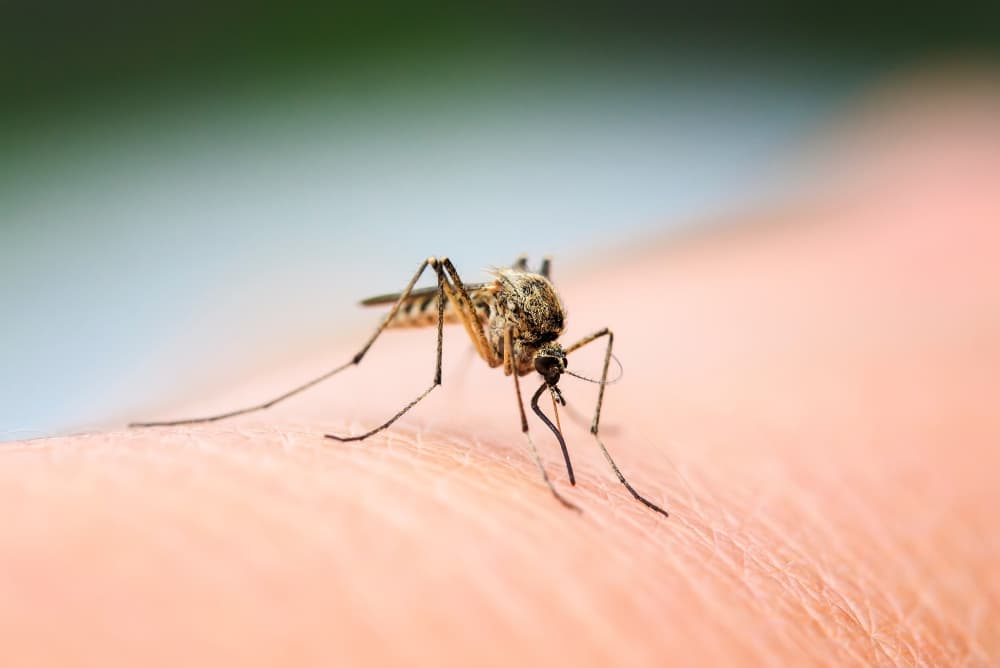
Colleyville officials reported another mosquito sample has tested positive for West Nile Virus, bringing the total number up to 15 in 2026.
The sample was one of six submitted to the Tarrant County Health Department for testing on the week of Oct. 8. It was collected around 300 W. L. D. Lockett Road and the area has been treated with fogging and larvicide, with further treatment and testing planned, according to the city.
The full story
Previous positive samples were collected around 4100 Windemere Ct., 5200 Bransford Road, 200 McDonwell School Road and 6500 Pleasant Run Road. A positive human case of West Nile virus was reported around Aug. 11, according to the city.
Colleyville, Grapevine and Southlake participate in the Tarrant County Mosquito Surveillance Program and samples positive for West Nile are collected in weekly reports.
As of Oct. 3 Grapevine had 6 positive samples in 2026 and Southlake had 5, according to the report.
Tarrant County offers an interactive dashboard with sample results from traps in the area.
The action taken
Colleyville’s mosquito management primarily focuses on larvicide and residents can report locations in need of treatment through the Call on Colleyville online portal.
The city outlined ways that residents can prevent mosquitoes from breeding in residential areas, including:
Not allowing water to sit for more than two days
Getting rid of containers that collect and hold water
Cleaning debris from gutters and roofs
Repairing leaks around faucets and air conditioners
Checking for trapped water in puddles and tarps
Residents are also encouraged to remember the "Three Ds" to defend themselves against mosquitoes and transferable illnesses.
What the experts say
Most people infected with the West Nile virus do not develop symptoms and will recover on their own, according to the Centers for Disease Control and Prevention.
Others can experience mild flu-like symptoms or severe illness that can lead to death.
Those over 50 or with weakened immune systems are at a higher risk for illness if they are infected, according to the city.
Higher mosquito activity typically starts around June and can continue through October, according to the CDC.