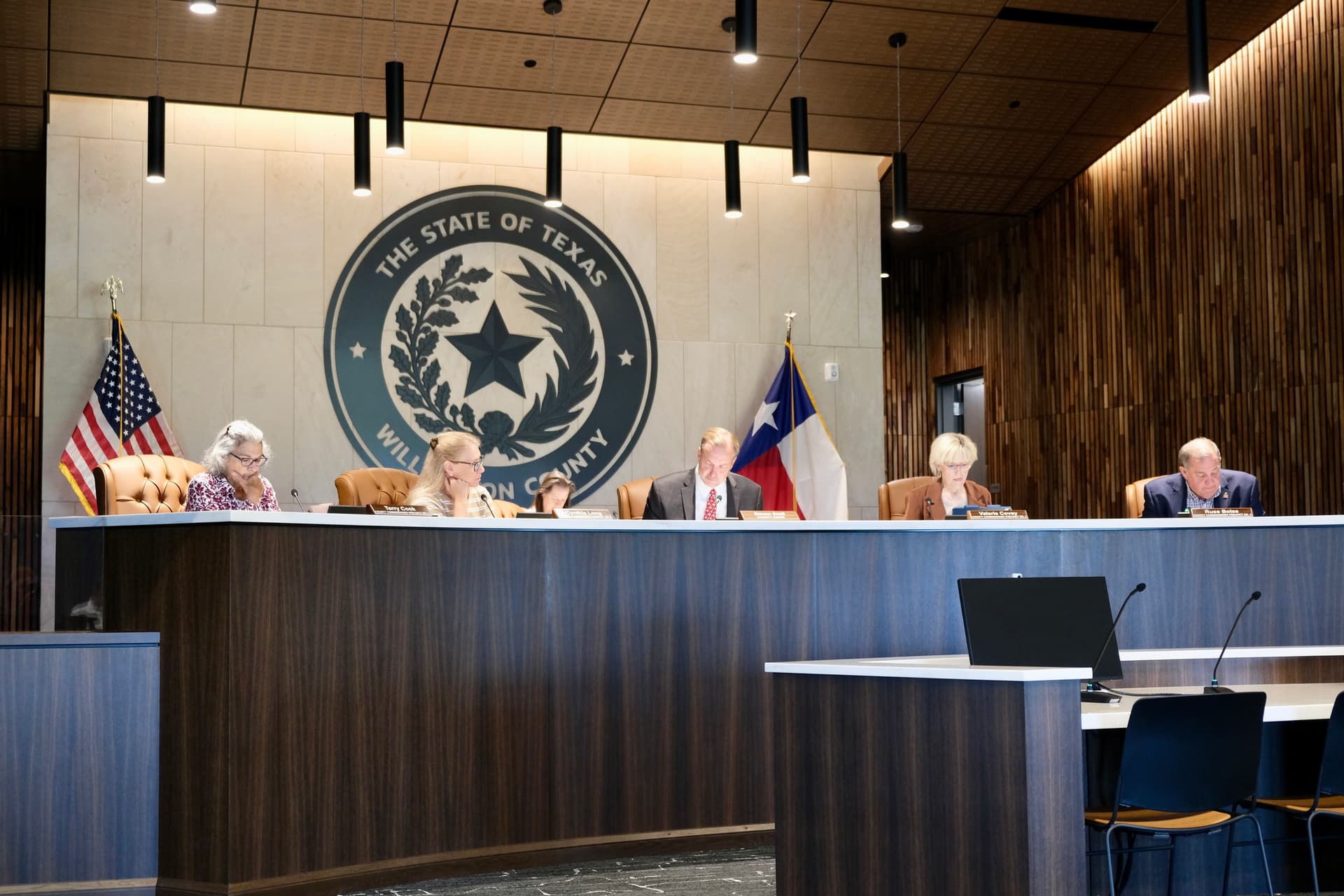
Since Georgetown City Council passed two ordinances in June 2025 that affect the unhoused population downtown, city officials and the police department have focused on enforcement and maintained a limited role in seeking homelessness solutions.
Several local nonprofit organizations have found new ways to provide resources for the community and are calling on the city to fill in gaps.
Still, officials maintain the ordinances are needed to address increased resident complaints and prevent the proliferation of the unhoused population.
What's happening
One ordinance passed last summer makes it unlawful to sit or lie down on public property downtown. The other restricts people from distributing food and goods in publicly owned or operated parking areas unless otherwise authorized.
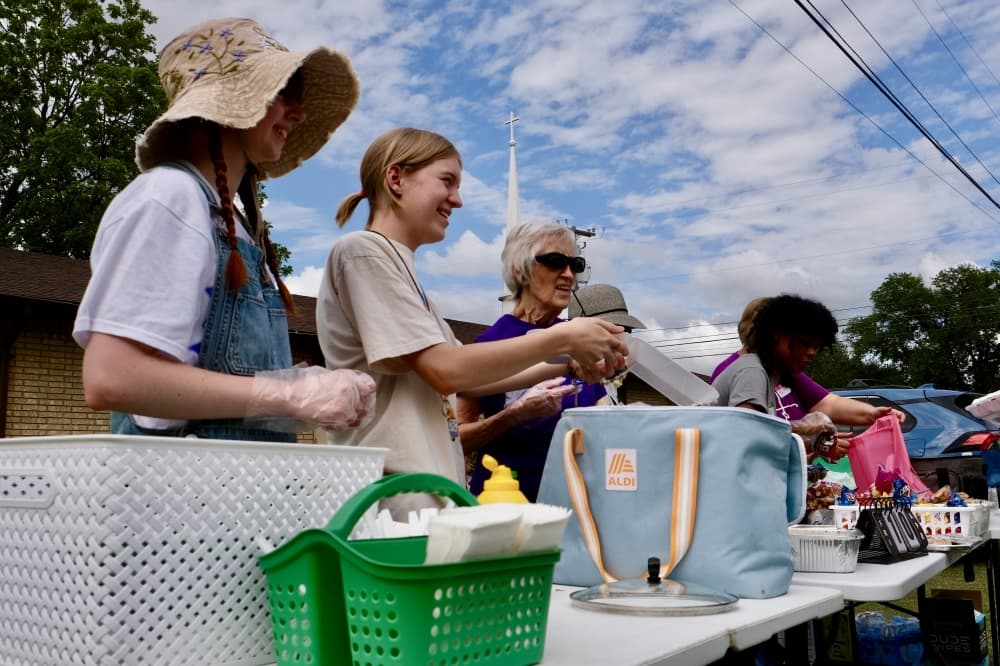
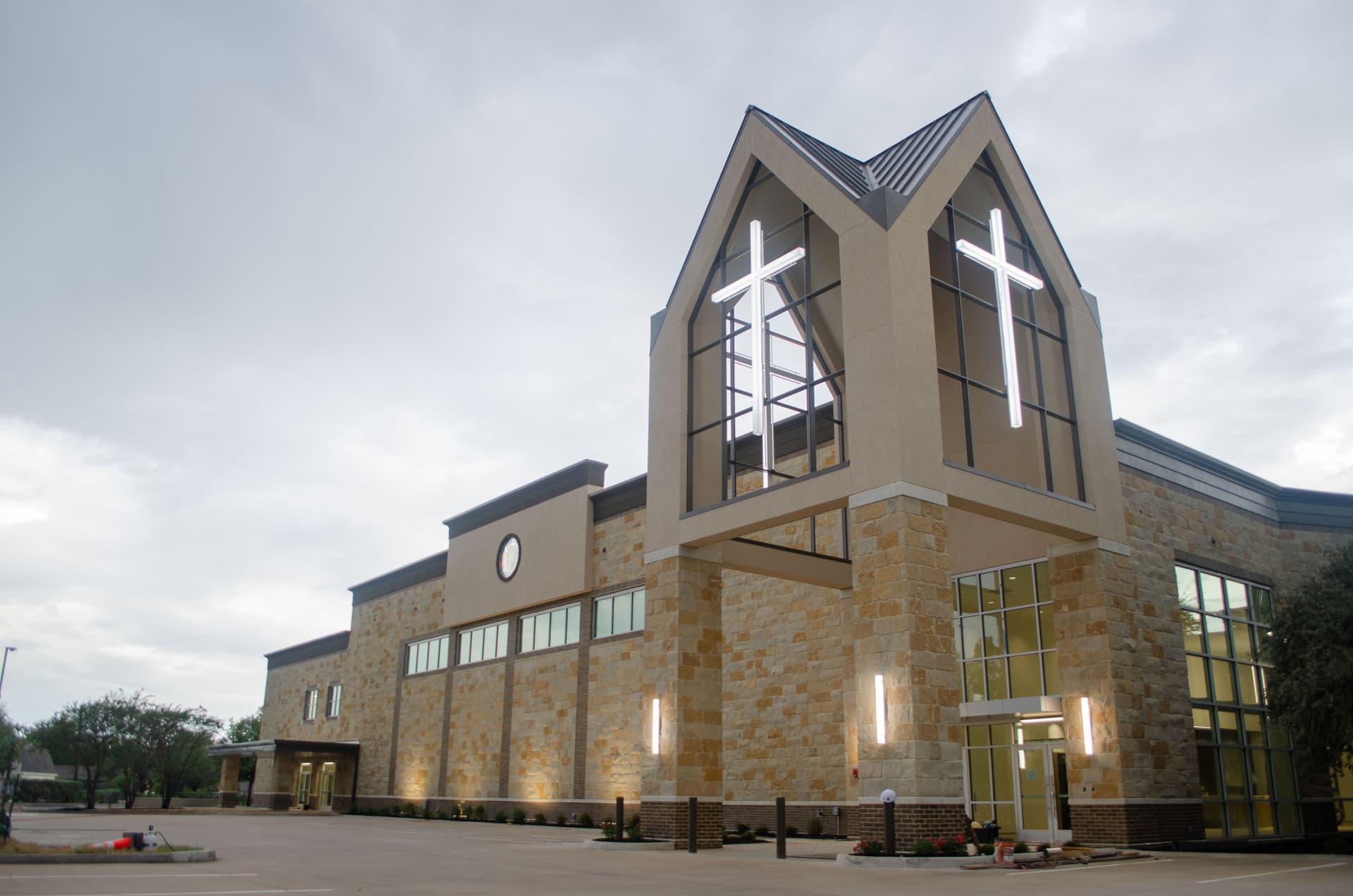
In response, Helping Hands of Georgetown and Kat Kares, two local nonprofit organizations, relocated their volunteer efforts from the public library parking lot to St. Paul United Methodist Church.
Georgetown Mayor Josh Schroeder said while homelessness is “a difficult problem” in Georgetown, the ordinances are designed to prevent the “numerous complaints” the city has received about the unhoused community.
“We are not allowing the homeless problem that Austin allowed to proliferate through that community [to] happen in this community,” Schroeder said at the March 12 State of the City address. “I don’t think anybody wants that.”
City Manager David Morgan said the city passed the ordinances to keep people safe, including the unhoused community.
“The reality is that people experiencing homelessness is a growing issue across the country,” Morgan said. “It’s a wicked problem, which means there’s no easy solution. It’s going to take a lot of us handling it from different aspects to do that.”
Those experiencing homelessness in the area, and others who work with homeless individuals, said the ordinances have made residing in Georgetown nearly impossible.
A closer look
Georgetown Police Chief Cory Tchida said using police force to combat homelessness creates a “vicious cycle,” which includes arresting an unhoused individual for a violation, such as camping in public; taking them to the county jail; and then, when they are released after 24 hours, they still are facing the issue of homelessness.
Because Georgetown is the county seat, Williamson County is required to have the county jail within city limits or its extraterritorial jurisdiction.
“Just think about it, everyone arrested in Williamson County is released in our downtown,” Morgan said at the State of the City address. “I’m not saying all of them are homeless or experiencing homelessness—I’m not suggesting that. It just creates a dynamic.”
Williamson County officials recently identified a site for the new Justice Center Complex, which will move the county jail out of downtown. Morgan said this decision will help alleviate the number of unhoused individuals in the area.
GPD also offers a voluntary transport service called a “zone of support transfer,” though only 24 individuals have requested this service in the past year, according to GPD data.
The approach
While GPD enforces criminal trespass and illegal camping citations or arrests, Tchida said the organization knows it does not address the root cause of homelessness.
Schroeder and Morgan agreed that addressing homelessness requires coordination between city staff, law enforcement and local nonprofit organizations.
“I know there’s a strong nonprofit community in Georgetown that’s really focused on this,” Morgan said March 12. “We stay in communication with them on a regular basis, and we are open and ready to partner.”
Kat Kares provides free hot meals in downtown Georgetown every Friday at 4 p.m. at St. Paul’s.
Founder Kathy Bond said that while many local nonprofits provide indispensable services for the unhoused community, there are still gaps in care.
In addition, Bond said the area lacks some services, such as drug rehabilitation and comprehensive mental health assistance.
Bluebonnet Trails’ Crisis Center, which has temporarily relocated from northeast Georgetown to Round Rock while undergoing renovations, is one county-funded facility that provides help to those undergoing substance abuse or mental health crises. Its inpatient care is a short-term program, lasting from a few hours to two weeks, according to its website.
The local impact
Navigation Services of Georgetown began when Michelle Augustine realized that without proper identification, people in the unhoused community were unable to get a job, stay in a hotel or apply for an apartment.
“We saw a need, ... and we just decided maybe we could do something about that,” Augustine said at a Feb. 17 panel on homelessness.
Bob Weiner founded Helping Hands of Georgetown to help feed the unhoused community. Today its mobile food pantry serves sack lunches Monday through Thursday, as well as warm dinners on Sundays, and provides hygiene products, blankets and sleeping bags.
It also helps fill what Augustine called “a major gap” in Williamson County services—a warming shelter during extreme weather events.
“There’s so many good people out there that help me get on my feet,” said Tony Sinclair, a Williamson County resident experiencing homelessness. “I just want to be normal again.”
Community resources for the unhoused in Williamson County
- Helping Hands of Georgetown: partners with the Georgetown community to address basic needs, particularly food insecurity
- First Presbyterian Church pantry: coordinates administrative needs for the unhoused community
- The Caring Place: offers food, utility, rent, transportation and medical assistance through donations and thrift store profits
- Kat Kares: provides free hot meals
- Bluebonnet Trails Community Services: provides medical and mental health assistance
- Lonestar Circle of Care: provides medical, dental and health care
- Georgetown Behavioral Health: offers psychiatric and behavioral health care
- San Gabriel Unitarian Universalist Fellowship: offers food, showers and a warm weather shelter
Looking ahead
In the future, Bond said she hopes the city can collaborate with local nonprofits for a more compassionate solution to homelessness. One of the best solutions would be a day shelter where unhoused folks and nonprofits could gather, she said.
“Making it more and more hostile isn’t helping,” Bond said.
Schroeder said the city’s role in combating homelessness is limited, and that some social services are outside the city’s responsibility, but that city officials will not “let the problem go unaddressed.”
Currently, there are no city-sponsored resources specifically for those experiencing homelessness in Georgetown, Bond said.
The county offers a comprehensive list of resources on its website, including directing those struggling with housing insecurity to The Caring Place.