Building permits, certificates of occupancy, Planning & Zoning agendas—the strength of Frisco's economy can be measured with a variety of tools. But when the work is done, the results can be distilled to one important figure: $54 million. Up 18.48 percent from last year, that figure denotes the city's sales and use tax revenue through November's reporting period, according to data released by the Texas Comptroller's Office.
"Many folks in the community may not truly understand the impact that local sales tax revenue has on all of us," said Tony Felker, president and CEO of the Frisco Chamber of Commerce. "More local sales tax revenue helps minimize property taxes impacting all residents, while also maximizing quality of life and economic growth."
A breakdown of the Fiscal Year 2014 budget—which went into effect Oct. 1—reveals that Frisco's sales taxes account for 33.3 percent of total general fund revenues this year, the second-highest revenue source behind property taxes at 40.9 percent. Estimated at $34.9 million, sales taxes dedicated to the general fund will provide money for a wide variety of services, programs and purchases, touching every major department serving Frisco residents and business owners.
Although sales taxes are considered a volatile revenue source, rising and dipping with the strength of the economy, projected gains in sales taxes typically provide a steadying effect on property tax rates and free property-based tax dollars for additional projects or objectives.
The city of Frisco tax rate in September was set at $0.4619 per $100 of valuation for a third fiscal year, the second-lowest tax rate among the surrounding cities of Plano, Prosper, Richardson, Allen, McKinney, The Colony and Flower Mound.
"The city's residents and businesses invest their lives and property in this community with anticipation of an exceptional quality of life," City Manager George Purefoy wrote in his budget transmittal letter to the City Council this year. "With continued positive improvements being seen in the rise in property valuations, increases in sales tax revenues and single family building permits, this budget furthers the city's progress."
The benefits of strong sales tax revenue go beyond bolstering the city's general fund and stabilizing the property tax rate, too. Of the 8.25 percent sales tax, 6.25 percent goes to the state and 2 percent to the city of Frisco. Of that 2 percent, 1 percent hits the general fund's coffers. The remaining 1 percent is split equally between the Economic Development and Community Development corporations.
Voters approved the half-cent sales tax dedication for economic development in 1991, and the Frisco Economic Development Corp. has since been tasked with using the money to expand the city's property tax base and create quality jobs.
Through September of this year alone, the FEDC facilitated 16 projects expected to add more than 2,200 jobs to the local economy, including the corporate headquarters of the Dallas Cowboys and the expansion of the Conifer Health Solutions into a 200,000-square-foot headquarters and service center at the Dallas North Tollway and Warren Parkway. The Conifer Health Solutions expansion is expected to be complete in March.
"On a regional or a local basis, creating a retail mix which brings dollars in from outside the immediate area helps create true economic growth by increasing the dollars in the area rather than simply turning the same dollars over and over," Felker said. "Frisco has done a terrific job of doing this by working on a diverse retail composition that includes local retail, specialty retail and regional, if not statewide, destination attractions."
The vote to approve a half-cent sales tax dedication to the Frisco Community Development Corp. came in 1994. Since that time, tens of millions have gone to purchasing park land and developing recreational resources, including investments in the Dr Pepper Ballpark, Toyota Stadium, Frisco Athletic Center, the Sci-Tech Discovery Center and the move of the Museum of the American Railroad to Frisco and the Dallas Cowboys corporate headquarters. Planned expenditures by the Frisco CDC this fiscal year include construction at Grand Park, expansion of the Dog Park and Phase I of the Veterans Walk of Honor.
"As companies move to Frisco and there is additional development in the retail sector, our budget will continue to grow annually, which will enable the Community Development Corp. to further contribute to the amenities and aura of living and working in Frisco," Gary Carley, Frisco EDC President said.



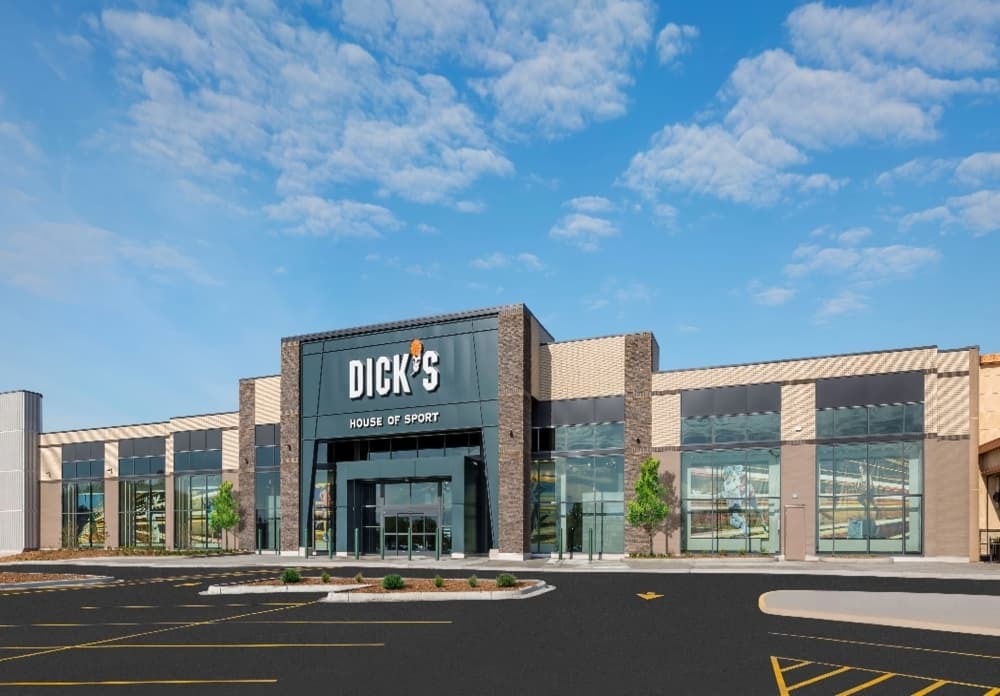


 Photo by Source: City of Frisco
 Photo by Source: City of Frisco