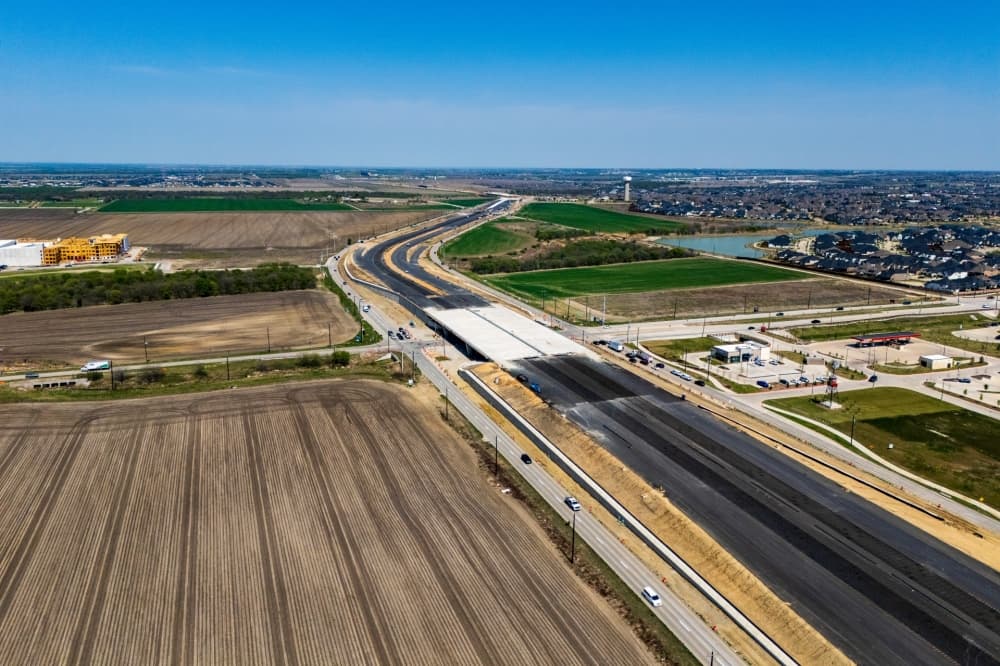
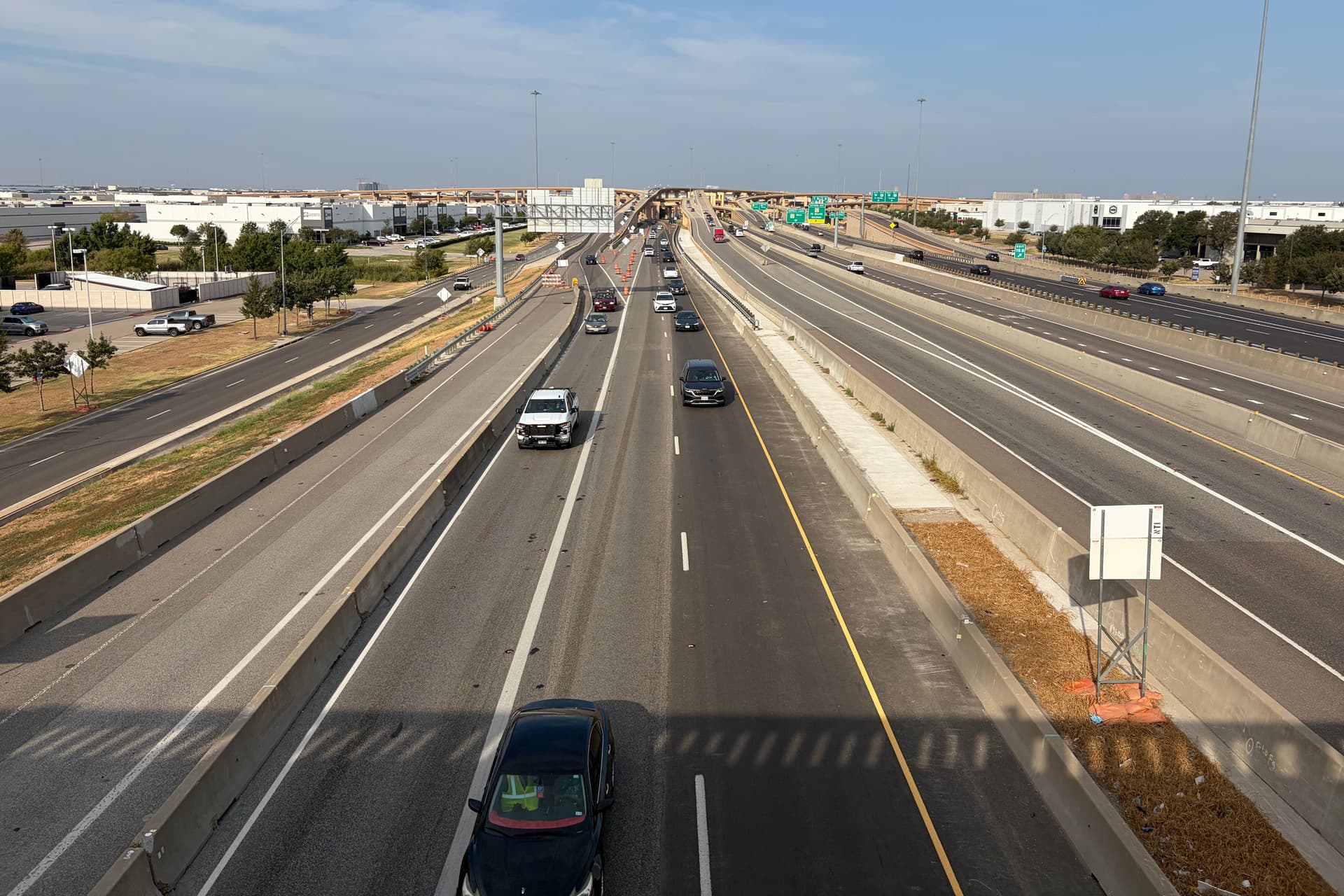
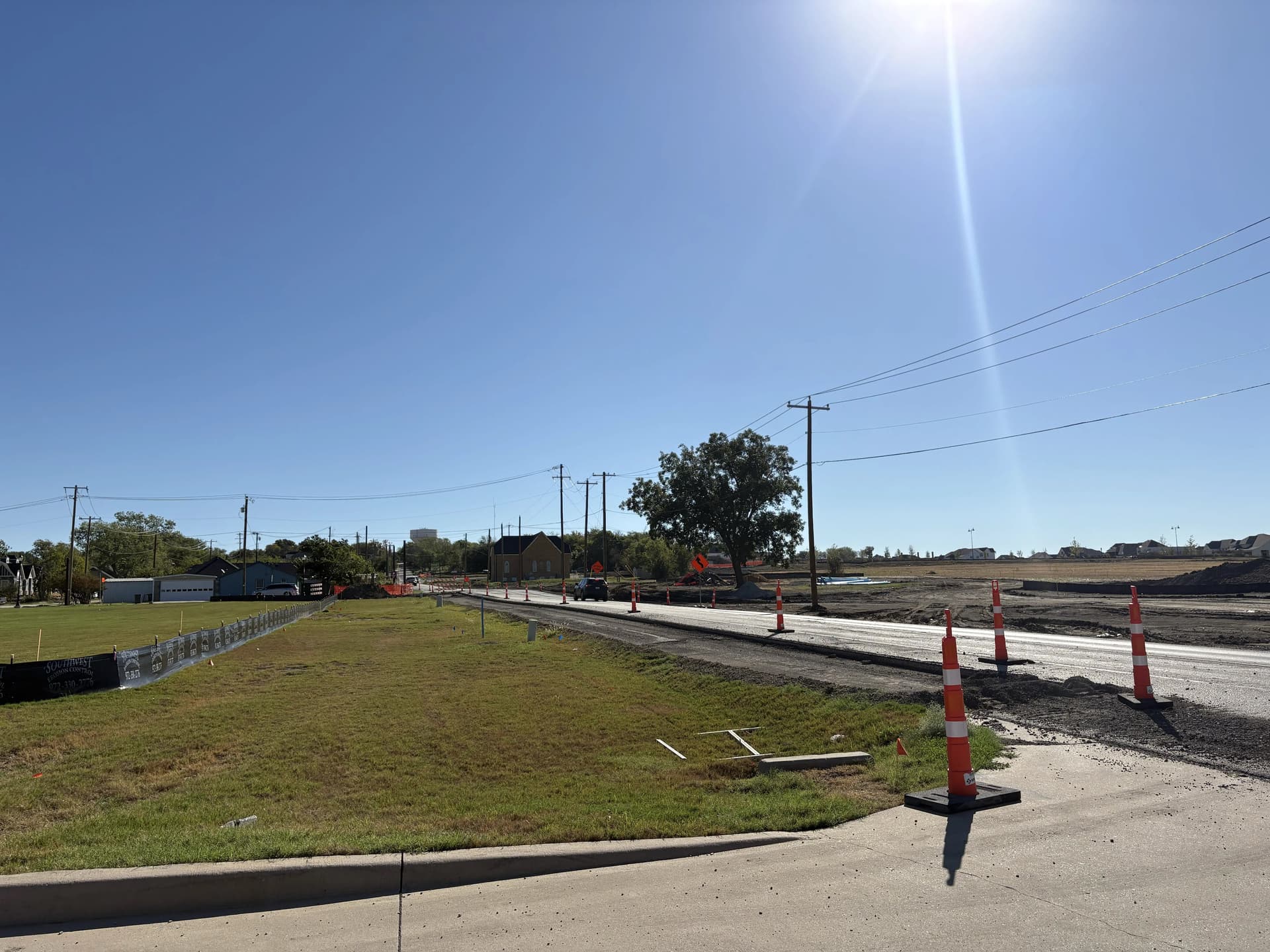
With construction on the future Dallas North Tollway corridor expansion wrapping up next fall, Prosper and Celina officials are planning for what development along the corridor should look like.
Tollway development in Celina could include office campuses, entertainment venues, hotels and employment centers. In Prosper, officials are planning for mixed-use developments featuring retail, restaurants, offices and housing.
The big picture
As the Dallas North Tollway extension gets closer to opening next year, Prosper and Celina officials are working to define what growth along the corridor should look like before development pressure accelerates.
Both cities have spent the past few years working with property owners and refining land-use plans and development standards for their stretch of the tollway. Celina has at least 10 miles of future tollway, while Prosper has 3 miles.
In February, Prosper Town Council adopted new tollway development standards for seven areas to guide future land use and infrastructure needs. In Celina, city officials recently approved authorizing a market study to evaluate which future land uses would bring the best long-term return.
“This is not next year’s development,” Prosper Mayor David Bristol said. “This is literally a blueprint for the next 25 to 50 years.”
Celina Mayor Ryan Tubbs said the city sees the tollway as Celina’s “golden growth corridor,” particularly in the stretch from Punk Carter Parkway to Moberly Road, where officials are targeting higher-intensity commercial development that can anchor long-term job growth.
“We really want the highest and best use [there], whatever is going to drive the most commercial traffic, whether that be retail or it may be corporate relocations and job centers,” Tubbs said.
How it works
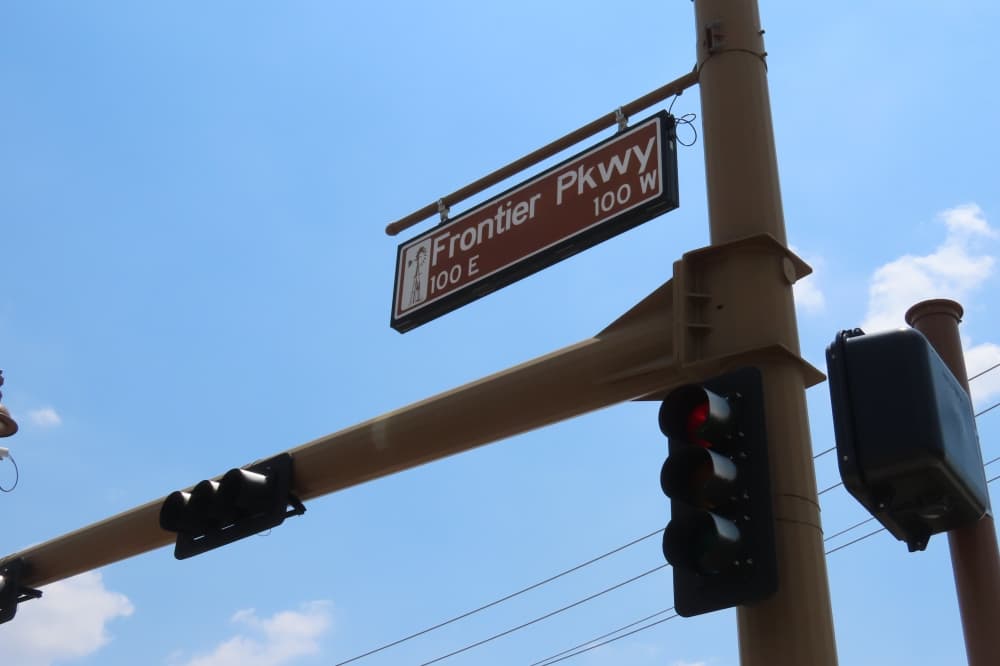
While Prosper and Celina are using different tools, local officials said the goal is to set clear expectations for development before the tollway opens. The majority of high intensity development would be in Celina’s high-rise zone and Prosper’s entryway corridors at US 380 and Frontier Parkway.
Anthony Satarino, president of Celina’s Economic Development Corp., said Celina would tailor incentives to specific users or developers using tools such as job grants or tax rebates.
In Prosper, Bristol said the town is focused on attracting developments through performance-based incentives. The Town Council also created a special funding zone in December encompassing the tollway, called a tax increment reinvestment zone.
Satarino said tollway planning is tied to broader regional transportation corridors, such as US 380 and the Collin County Outer Loop, which will help shape future employment and commercial growth areas.
What it means
Tubbs said Celina sees the tollway as the city’s “best chance” at offsetting the residential tax base and relieving property tax burdens on residents.
“The more that [commercial users are] paying, the less that the residents are paying,” Satarino said. “In reality, property values aren’t going to go down ... so anything that the city can do to bring in commercial users to help balance that out, we see as a plus.”
Similarly, Bristol said developing land in Prosper’s tollway district could also help ease residents’ property taxes by removing the agricultural property tax exemption, which lowers a property’s taxable value based on what the land produces, not what the land is worth for sale.
More than 81% of land in the town’s tollway district has an agricultural property tax exemption.
“We actually get land back out of the [agriculture] exemption and onto the tax rolls,” Bristol said. “It is a very important thing in managing the entire tax base for our community.”
Looking ahead
Michael Rey, North Texas Tollway Authority media relations manager, said the tollway expansion to FM 428 is expected to open in late 2027.
In Celina, local officials have used the city’s tollway district standards in recent discussions, including the approval of the city’s first car dealership.
“Our objective ... is to go after those more intense uses that are going to really be able to provide a sustainable economy,” Tubbs said.
Similarly, Prosper officials delayed several tollway-area proposals as council determines whether they align with the newly adopted standards.
“We’re working simultaneously with the construction,” Prosper Town Manager Mario Canizares said. “When developers do come in, we have all the tools ready to use at our disposal that allows that quality development that the council and the community are really striving for.”