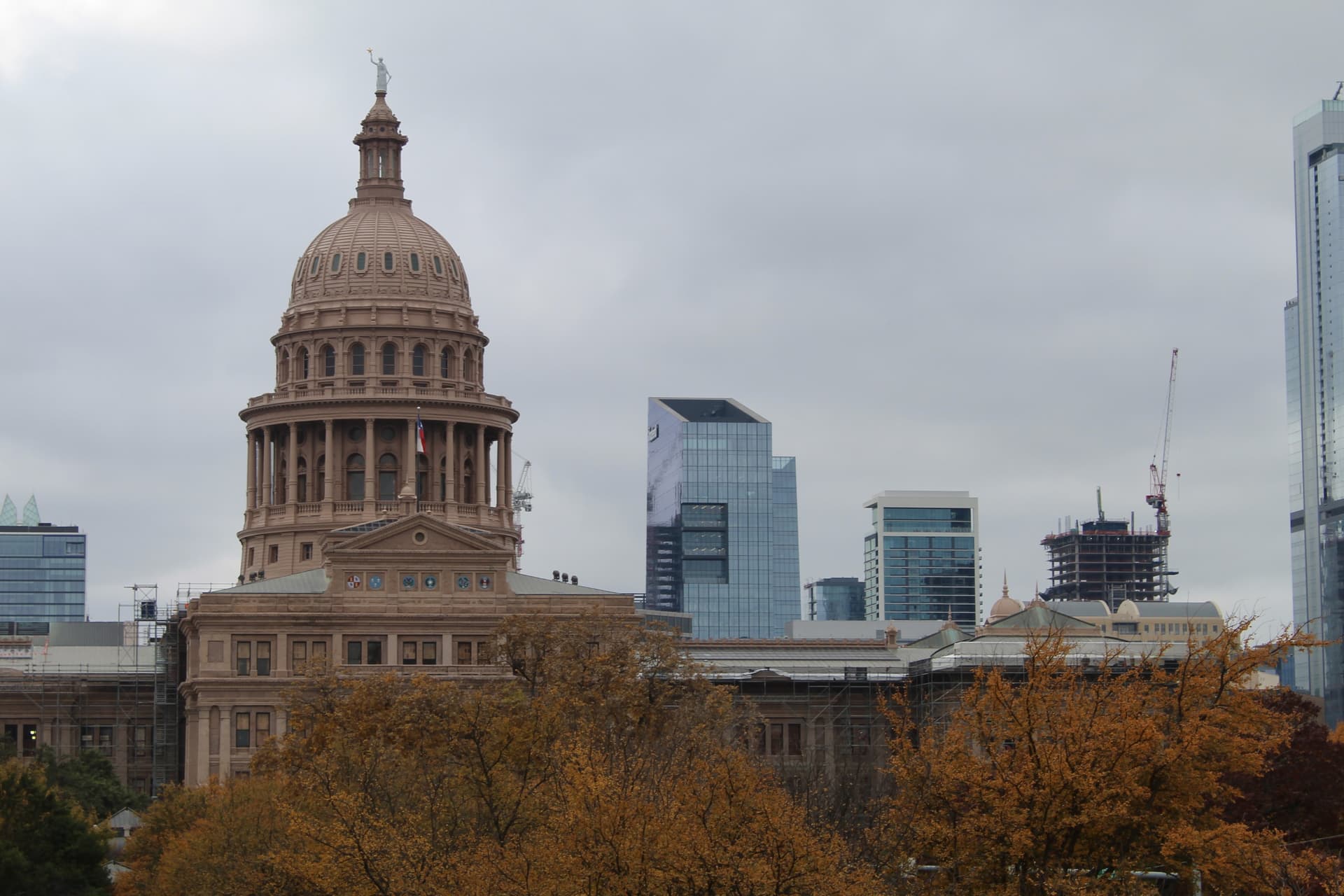
About two weeks shy of the anniversary of deadly flooding that devastated parts of Central Texas last summer, state lawmakers approved a 115-page report chronicling what they deemed “failures” at Camp Mystic, a Christian youth camp where 27 young girls died.
The big picture
The family running Camp Mystic was not prepared to respond to a disaster in flood-prone Kerr County and did not act quickly enough to save campers’ lives, hired investigators said during a June 18 hearing at the state Capitol.
“Nobody had any idea what they needed to be doing, and it crippled them,” Houston lawyer and lead investigator Casey Garrett said. “It was a failure of having a written plan, of having written assignments and drilling those assignments. [The] same goes for drilling and instructions and a plan for counselors on how to move campers to safety.”
Garrett and co-investigator Michael Massengale told lawmakers about recent interviews with teenage counselors who witnessed the July 4 tragedy, reiterating a key point from hearings earlier this year: all deaths at Camp Mystic could have been prevented if camp leaders had planned ahead and acted more quickly.
“They had the opportunity to save every camper,” Massengale said April 27.
Lawmakers adopted the investigative team’s report, which will be shared with legislative leaders as they draft additional policy changes in response to the flood. The state legislature is scheduled to reconvene in mid-January.
What you need to know
Garrett and Massengale found that:
- Camp Mystic did not have a written emergency plan that met state requirements.
- Leaders at the private Christian camp did not adequately prepare for the July 3-4 storm.
- Mystic staff had “ample opportunities” to safely evacuate campers, but did not do so.
- Family reunification efforts and communication after the flood were “chaotic.”
Massengale noted that Camp Mystic had a one-page emergency plan at the time of the flood, which touched on different types of disasters but did not go into detail about what camp staff, counselors or campers should know. In a flood, campers and counselors should “NEVER wander away from your cabin,” the document read.
“This was a shelter-in-place plan. Sheltering-in-place is often a proper response to a flood, until it’s not,” Massengale told lawmakers June 18. “When the cabin is no longer a safe location, that's when the evacuation plan is needed. Camp Mystic did not have one.”
Investigators said that only Richard “Dick” Eastland, the camp’s executive director, knew of a more detailed evacuation plan. Eastland also died in the flood after attempting to evacuate some of Mystic’s youngest campers in his car.
“That plan was never reviewed with any camp staff, ... and counselors were not assigned any responsibilities in the event of that kind of an evacuation,” Massengale said. “This was a fatal error, because once the July 4 evacuation began, there was no preplanned method that would inform anybody's actions.”
The families of several children killed in the flood attended the roughly two-hour hearing June 18. During hearings in late April, investigators grilled members of the Eastland family, which runs Camp Mystic, and flood victims’ parents shared memories of their late daughters.
On April 28, camp director Edward Eastland also publicly apologized to the girls’ families for the first time. Two days later, Camp Mystic announced it would not reopen a secondary campsite this summer, backtracking on previous plans to resume operations at the urging of grieving parents and state lawmakers.
Looking ahead
Lawmakers emphasized that they would continue working to improve camp safety, strengthen intergovernmental communications and boost emergency planning requirements before future disasters strike.
“This work is not finished,” Sen. Pete Flores, a Pleasanton Republican and a chair of the joint legislative committee, said June 18. “May we continue to honor the memories of those lost by remaining committed to making our camps safer, our emergency response systems stronger and our communities better prepared for the future.”
More than 100 other people died in the July 4 flooding, many of them living in homes and campers along the Guadalupe River in the Texas Hill Country, Community Impact previously reported.
The legislature approved two sweeping camp safety laws in the wake of the tragedy, alongside a requirement that flood-prone areas in Central Texas have flood warning sirens and other weather monitoring equipment. Two proposals aimed at helping local governments better prepare for disasters did not pass during special sessions last summer, and lawmakers said they planned to file similar bills next year.
“We haven't talked about trailer parks, rural homes or [state] positioning of assets in this committee, and that was our task,” Rep. Joe Moody, D-El Paso, said. “There is more that we need to do.”