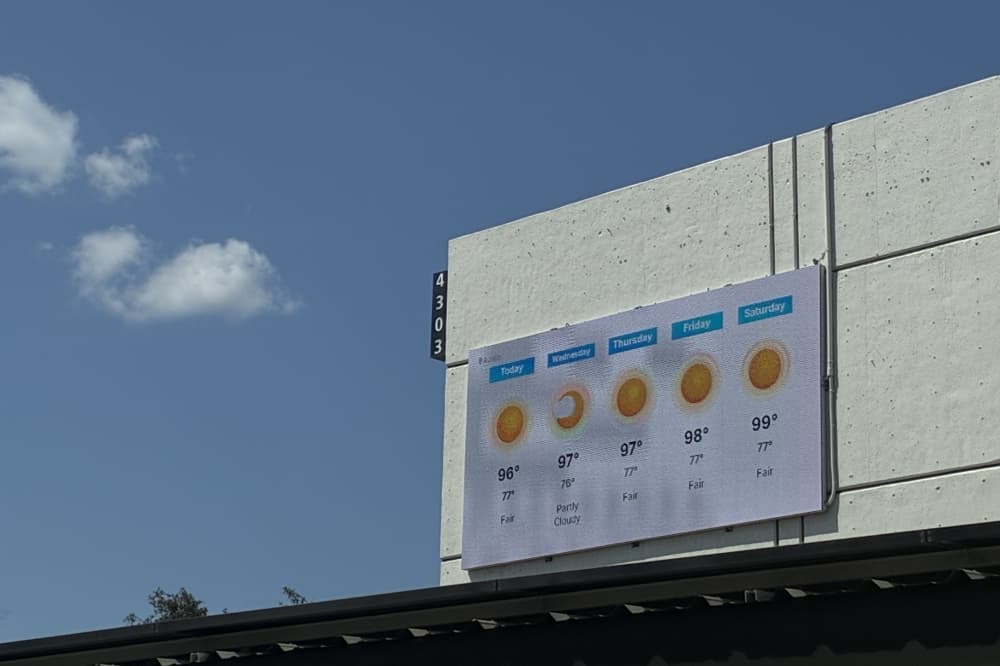
Austin summer temperatures reach the high-90s and frequently exceed 100 degrees, affecting both physical and mental health and well-being, according to Travis County mental health authority Integral Care. (Jessica McLaren/Community Impact)
Austin's summer heat can affect mental health—particularly for people managing certain conditions, those experiencing housing insecurity and those who spend extended time outdoors, according to Dr. Ziyad Nuwayhid, chief medical officer at Integral Care, Travis County's mental health authority.
What's happening
Nuwayhid said conditions like schizophrenia can impair a person's ability to perceive temperature or recognize when they need water or shade, putting them at greater risk during extreme heat. Some psychiatric medications can also reduce the body's ability to stay hydrated, compounding the risk, he said.
People managing depression or post-traumatic stress disorder may find heat adds another barrier to daily functioning, while those with bipolar disorder may experience increased irritability and impulsivity, Nuwayhid said.
Heat affects people without mental health conditions too. Nuwayhid said those spending more time alone or avoiding outdoor activities due to discomfort should monitor their own well-being and stay socially connected where possible.
"Am I spending too much time by myself? Am I not talking, not interacting with people?" Nuwayhid said. "Are there activities that usually make me happy but I'm avoiding because of the heat?"
What to watch for
Anyone experiencing confusion, stopping sweating or a body temperature above 103 degrees should call 911 immediately. These are signs of heat stroke, a life-threatening emergency, Nuwayhid said.
For less severe symptoms such as fatigue or achiness, he recommended getting out of the sun, finding shade, hydrating and resting until symptoms pass.
"If you stop sweating, that's very bad. It means your ability to regulate your temperature through sweating has been lost. We really need to seek medical attention,” Nuwayhid said.
The city of Austin reported 166 heat-related or suspected heat-related illnesses between May 1 and June 8, according to its website.
Community resources
All Austin Public Library branches and Austin Parks and Recreation facilities serve as cooling centers during normal operating hours, according to Austin Emergency Management. Travis County community centers also serve as cooling centers Monday-Friday 8 a.m.-5 p.m.
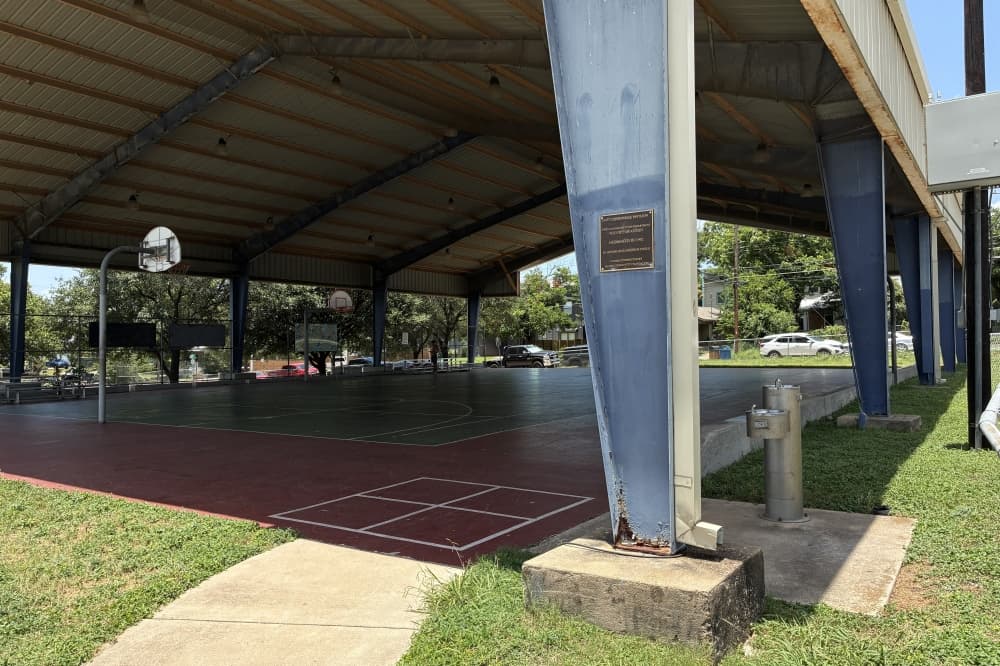
Alamo Recreation Center, 2100 Alamo St., is among the Austin Parks and Recreation facilities serving as a cooling center during normal operating hours this summer, according to Austin Emergency Management. (Jessica McLaren/Community Impact)
Capital Metro offers complimentary rides to cooling centers for those who need transportation and cannot afford fare when cooling centers are operating extended hours, per the city’s website. Riders should notify the bus operator when boarding.
Integral Care operates a 24-hour crisis hotline for mental health support, coping resources and cooling shelter referrals. Mobile teams are also deployed into the community and regularly visit the Sunrise Community Center for residents with less secure housing.