A Travis County-funded pilot program connecting violence victims and their families to social services at Austin's two Level 1 trauma centers is expiring this year with no confirmed funding source to continue it, according to a presentation by Ascension Seton staff to Travis County Commissioners on June 9.
What you need to know
The $500,000 contract with Ascension Seton for the Hospital-based Violence Intervention Program, or HVIP, will be fully expended by Aug. 31 with no other funding sources identified, according to county documents. Travis County Health and Human Services submitted a budget request for $250,000 annually in fiscal year 2026-27 to continue the program, a Travis County spokesperson confirmed.
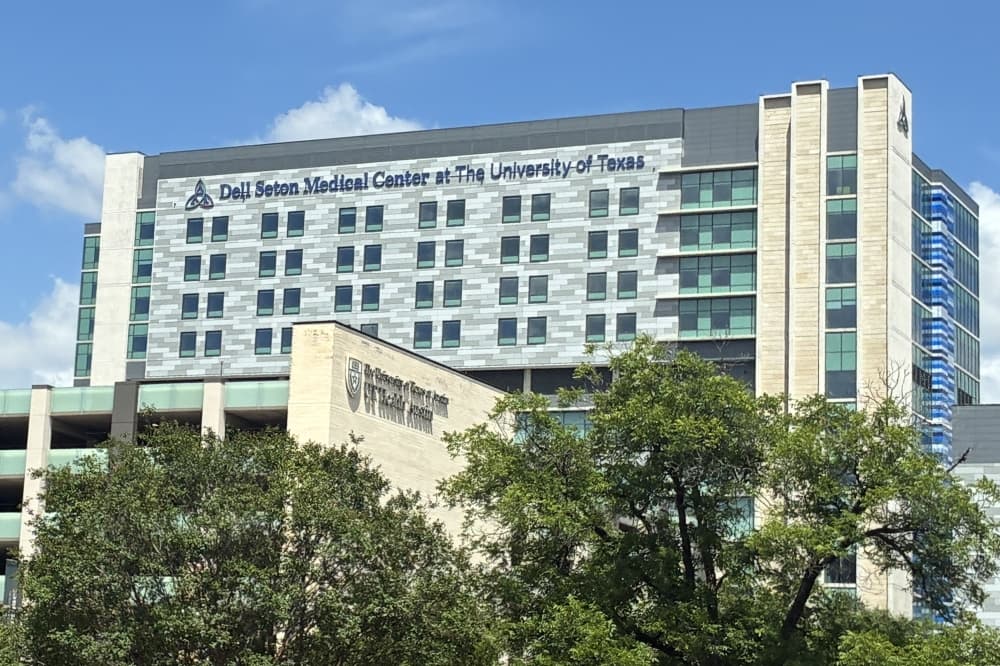
The HVIP launched in October 2024 at Dell Seton Medical Center at The University of Texas at Austin—the only Level 1 adult trauma center in Central Texas—and Dell Children's Medical Center, according to county documents.
HVIPs combine medical staff with community-based partners to provide trauma-informed care to violently injured patients, with the goal of reducing repeat injury and retaliation, according to The Health Alliance for Violence Intervention, a national organization that supports more than 89 such programs across the U.S. and Canada.
The pilot program operates under a $500,000 subaward from Travis County's Local Fiscal Recovery Funds to Ascension Seton, county documents show, in support of the Safer Travis County Resolution unanimously approved by commissioners in November 2022. The pilot program identifies victims of violence and their families in emergency departments and connects them to trauma-informed care, mental health services, shelter, food resources and legal advocates, according to Ascension staff.
HVIP has served 134 victims of violence and secondary victims of violence between October 2024 through March 31. From those 134 victims, there were 90 successful follow-ups and 89 referrals made to 19 partner organizations, according to the presentation.
HVIP Research Coordinator Amanda Daniels said 20% of Dell Children's HVIP patients had an injury that took place at school.
"We have an opportunity to go into prevention and find out where we can reach out to keep these kids from coming to the hospital in the first place," Daniels said. "90% of our pediatric patients that were consented had secondary victims of violence come along with them, and that tells you it's a family story at Dell Children's."
Daniels also said the adult population at Dell Seton only had 37% of those people with secondary victims of violence, and 100% of their unhoused population in the HVIP program came from Dell Seton.
"Response and rapport at bedside is critical. It would be really interested to see what the narrative continues to say with these two stories," Daniels said.
What commissioners are saying
Precinct 1 Commissioner Jeff Travillion said going forward he was interested in seeing “who is doing what where.”
"It seems to me that if we can identify the entities that are actually working in this area, where they’re working, then we can start talking about how we partner with spaces like integral care, spaces like our [general practitioner] offices,” Travillion said.
Precinct 2 Commissioner Brigid Shea said some of the numbers are "horrifying" and asked if they had a way of measuring whether or not HVIPs reduce additional violence from initial incidents.
Ana Almaguel, Travis County's HHS public health division director, said a 2026 report done in Boston showed that HVIPs reduce fatalities by 50%.
Stay tuned
Commissioners received a briefing on the item June 9; however, there was no action taken. The county's FY 2026-27 budget is slated to be adopted in September—one month after the pilot expires, according to county documents.
Whether the county budget office included the HHS request in its preliminary budget, and whether Ascension Seton has a continuity plan if funding lapses, could not be confirmed by press time.