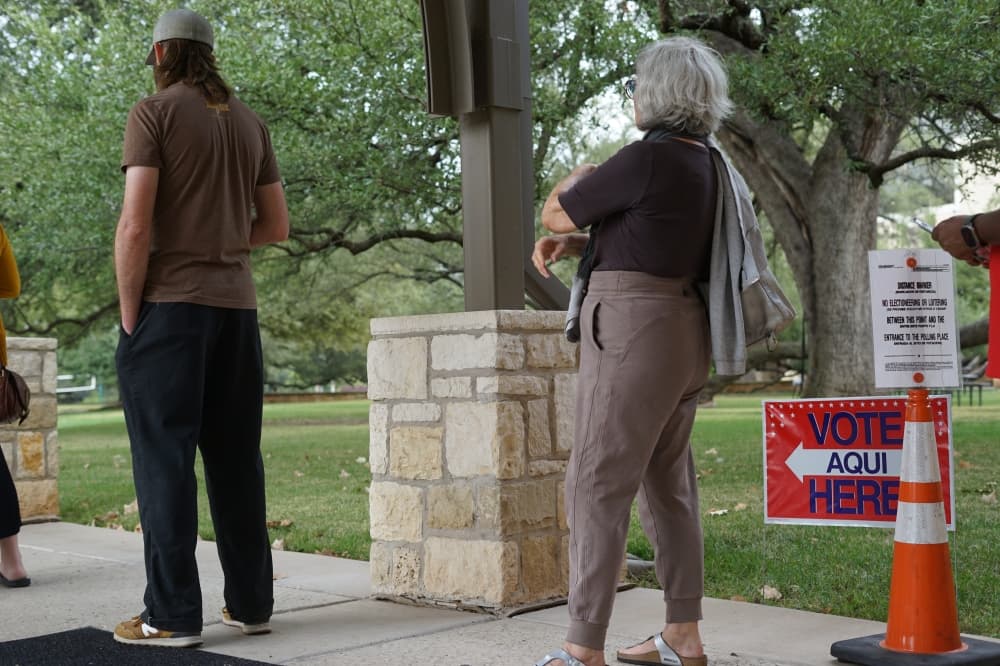
Three candidates are vying to be Texas' next U.S. senator in the upcoming Nov. 3 election.
The overview
Libertarian Ted Brown, Republican Ken Paxton and Democrat James Talarico are running for a six-year term in the U.S. Senate. Each state has two U.S. senators serving staggered terms, with Ted Cruz and John Cornyn currently representing Texas. Cornyn ran for reelection but lost his primary race, and the winner of the November election will replace him in January.
Paxton advanced to the general election after beating Cornyn in a primary runoff, while Talarico beat two other contenders in the Democratic primary, Community Impact reported. Brown was selected as the Texas Libertarian Party's candidate during an April nominating convention.
Write-in candidates may also appear on the ballot, although Community Impact does not send questionnaires to write-in candidates.
Preparing for the polls
Early voting runs from Oct. 19-30, and Election Day is Nov. 3. In addition to eight statewide races, the following state-level seats are up for election this fall:
- 38 U.S. House seats (by congressional district)
- Four seats on the Texas Supreme Court (statewide)
- Three seats on the Texas Court of Criminal Appeals (statewide)
- Three seats on Texas' 15th Court of Appeals (statewide)
- 16 state Senate seats (by legislative district)
- 150 state House seats (by legislative district)
- Eight State Board of Education seats (by SBOE district)
For more coverage of state and local races, visit communityimpact.com/election.
Zooming in
Community Impact's goal with election Q&As is to provide a side-by-side, equitable resource for Texas voters to review candidates' perspectives before they head to the polls.
To ensure that candidates are the ones defining their positions in Community Impact's voter guide, if candidates did not complete the questionnaire after multiple attempts to contact them, the website reads "candidate did not respond to questionnaire before press time." Candidates were informed of this policy.
Candidates were asked to keep responses under 50 words, answer the questions provided and avoid attacking opponents. Answers may have been minimally edited or cut to adhere to those guidelines, or for style and clarity.