On May 26, Democratic voters will choose their nominee for Texas lieutenant governor in a runoff election between state Rep. Vikki Goodwin, D-Austin, and union leader Marcos Vélez.
The big picture
The Democratic race for lieutenant governor is one of several statewide contests that advanced to May runoffs after no candidate received more than 50% of the vote in the March 3 primary election.
Goodwin and Vélez were the two highest-performing candidates in the three-person primary race, with Goodwin collecting 48% of the vote and Vélez receiving 31%. The winner of the May 26 overtime round will face incumbent Dan Patrick and potential third-party candidates in the November midterm election.
The lieutenant governor leads the Texas Senate and can exercise the powers of the governor if the governor dies, resigns, is removed from office or is absent from the state, according to the Texas State Historical Association.
Preparing for the polls
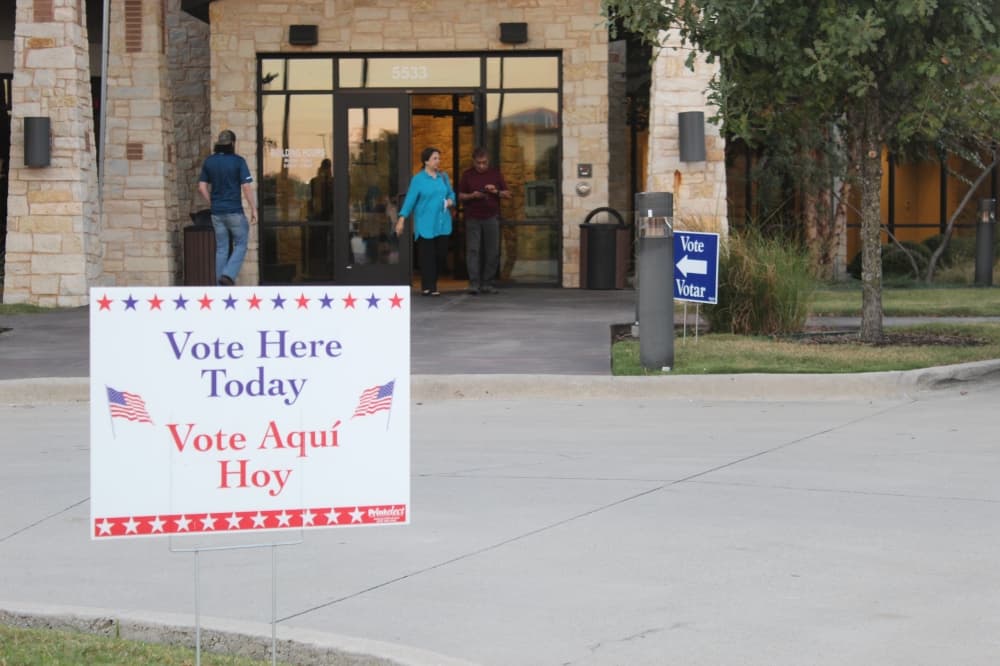
Texans can vote early in the runoff election from May 18-22. Runoff elections, like primaries, are separated by political party, meaning Texans who voted in one party's primary this March may only vote in the same party's runoff. Individuals who did not participate in the March primaries or a third-party nominating convention can vote in either party’s runoff this May.
Runoff election day is May 26. For more information about the state and local races on your runoff ballot, visit communityimpact.com/election.
What you need to know
The original version of this election questionnaire was published Jan. 27, ahead of the March 3 primary election. Community Impact is republishing Q&As for five statewide runoff races, with the goal of providing a side-by-side, equitable resource for Texas voters to review candidates' perspectives as they prepare to head to the polls this month.
This Q&A was updated to remove Courtney Head, a Democratic candidate who did not advance to the May 26 runoff, but candidates' answers were not changed from the originally published article.
Candidates were asked to keep responses under 50 words, answer the questions provided and avoid attacking opponents. Answers may have been minimally edited or cut to adhere to those guidelines, or for style and clarity.