Travis County is putting more money and seats behind afterschool care this fall, part of a push to close a shortage leaving many families without options.
Only 23% of the county's priority-population students have access to a seat, and just 17% can get into a program that runs all five days, according to a new out-of-school time (OST) landscape analysis from the Andy Roddick Foundation, funded by Raising Travis County (RTC). More than 1,100 kids are waitlisted.
By the numbers
Transportation is the top barrier reported by surveyed families, and 72% of sites close by 6 p.m., a mismatch for parents working later shifts. Most programs target younger kids, so only 14-15% of seats serve middle and high schoolers.
The site map shows programs clustered in eastern Travis County even though need is countywide, and 82% operate on school property they don't own—a risk as AISD consolidates campuses, according to previous Community Impact reporting.
One in four sites could close due to funding, space or school closures, even as running a quality program costs roughly $1,172 per kid, per week, per a Wallace Foundation cost model cited by the report.
What they're saying
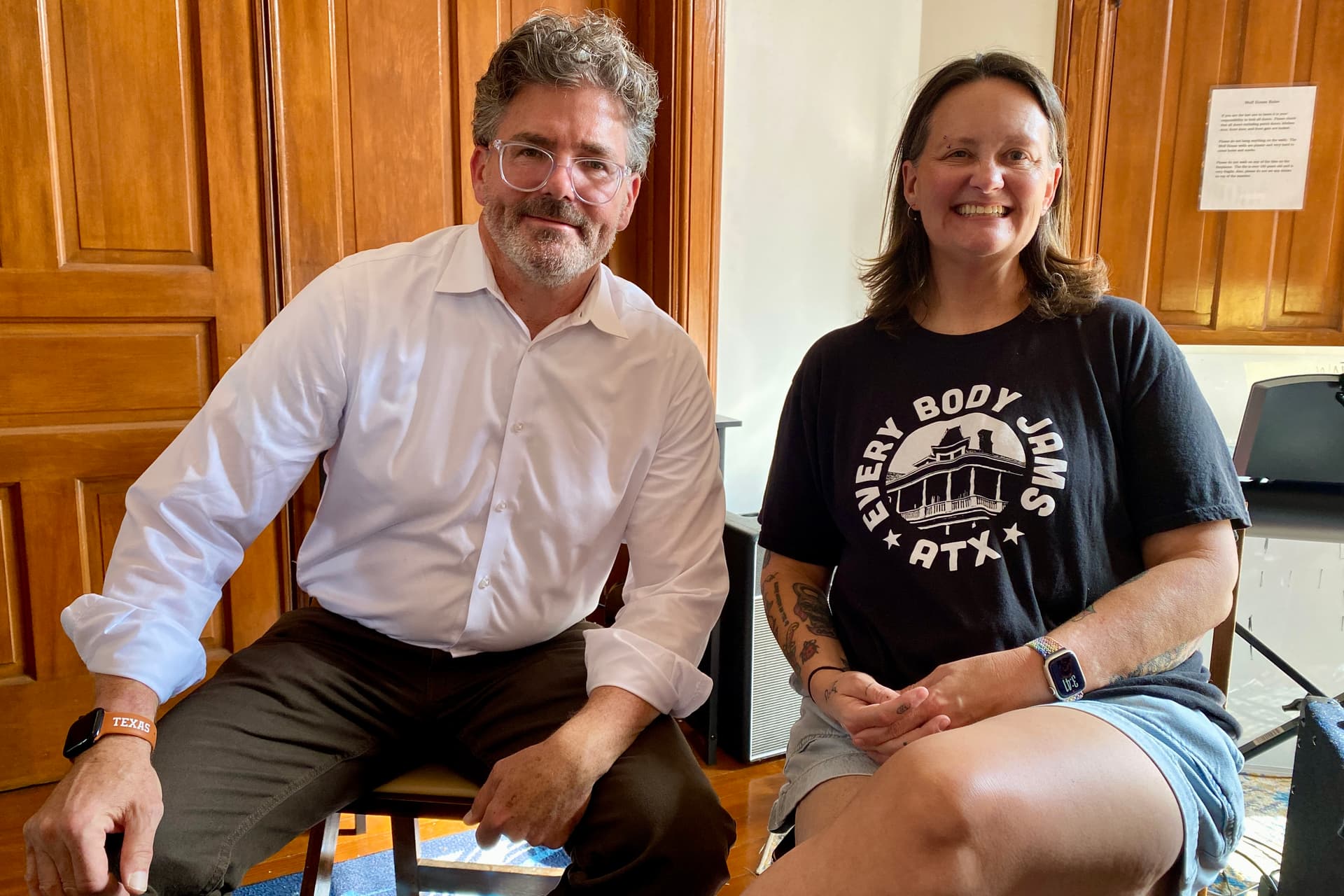
The initiative is meant to ease daily stress on parents, Travis County Judge Andy Brown told Community Impact.
"It solves the stress of parents who are trying to find something safe and productive and enriching for their kids to do after school," he said.
Brown pointed to research showing kids in afterschool and quality childcare graduate at higher rates, attend college more often and have less contact with the justice system.
Dollars at work
RTC has put $51.7 million into child care and afterschool to date, funding 7,791 afterschool slots, per the county's investment tracker. Of the 11 new contracts this year, 10 build in nights, weekends and school-break coverage.
The total has continued climbing since that spring count, Brown said. RTC has now committed $52 million covering 1,000 infants and toddlers and 15 afterschool providers, reaching over 7,000 kids and teens. The full pool is close to $75 million a year, and the county is still getting it out the door.
This spring's contracts included $12.75 million to 11 organizations for afterschool and summer programs, $730,000 to Pflugerville ISD for elementary programs, and over $4 million to United Way for shared provider services, according to past reporting.
Most funding will likely cover afterschool care for kids age 4 and up, separate from the infant and toddler scholarship pool, RTC strategic adviser Leah Meunier told Community Impact in April.
A closer look
Some funded programs get creative with curriculum, Brown said. This summer, the Andy Roddick Foundation had kids study different continents, cook dishes from those regions and build miniature parade floats to represent them.
Shield Ranch, another RTC partner, taught kids to build nature trails. Several providers also offer day camps during school holidays, when AISD is out but working parents still need coverage, Brown said.
Learn more
Families can start at the Raising Travis County webpage. For child care, the county directs families to Workforce Solutions Capital Area. For afterschool and summer programs, families can also register directly with Boys & Girls Clubs, Foundation Communities or the Greater Austin YMCA.
Income limits vary. Child care scholarships are open to families earning up to 85% of the state median income, about $92,041 a year for a family of four. Afterschool and summer programs use a different threshold, up to 250% of the federal poverty guideline, or about $82,500 for a family of four. Kids can also qualify by attending a school where at least 60% of students are economically disadvantaged, if the district partners with RTC.
Seven more providers, including Boys & Girls Clubs, Foundation Communities, Greater Austin YMCA, Leap of Joy, Manor ISD, Austin Sunshine Camps and Pflugerville ISD, are also funded for this fall, but hadn't posted specific start dates or hours as of press time.
If a seat isn't open yet, Brown said to apply anyway, as background and residency checks take time, causing programs to start weeks into the school year.
"We definitely have more funding available for more parents to apply," he said, noting that he hasn't heard of a program filling up completely yet.
Did you know?
The county calls the initiative the fastest of its kind in the country, and the first in Texas, crediting the speed to studying a similar King County, Washington, effort.
"Travis County is a national leader on this," he said.