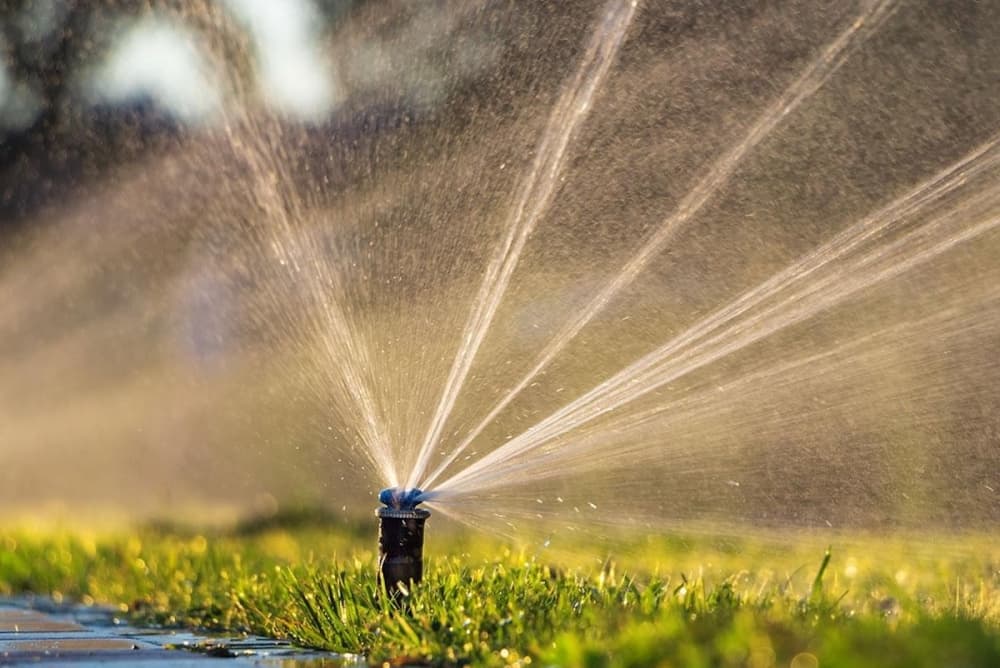
Cedar Park officials are considering raising water and wastewater rates from 2027 to 2029, a move city staff says will be necessary to maintain operations amid repeated droughts.
The plan
The city charges customers a fixed monthly rate plus additional tiered charges that increase based on how much a customer uses.
Currently, the city does not charge customers for their first 2,000 gallons of water or wastewater. A new proposed rate plan would change that, charging customers for every gallon of water used, said Justin Rasor, a senior manager with utility management consultant Raftelis. The proposal would also increase the fixed monthly charges and the tiered per-thousand-gallon charges every year beginning in 2027 through 2029.
Overall, the average monthly residential water and wastewater utility bill is projected to increase from $88.11 to $140.61—a difference of about 60%—by 2029 under the proposed rate adjustments, according to city data.
The plan would also create a new class of utility rates for non-residential irrigation.
“When we looked at the cost of service, we saw that these customers were not paying their fair share,” Rasor said. “They use a lot of water … and they mostly peak in the summer, [adding] pressure on the system.”
The average commercial irrigation customer uses about five times as much water as a residential customer, Rasor added.
After the proposed increases, Cedar Park would still have some of the lowest average utility costs in the region, Rasor said. Most, if not all, other cities in the region are also expected to raise water and wastewater rates over the next few years, he explained.
Some context
Over the last 25 years, droughts have become more common and the expected future rainwater flowing into the city’s water source, Lake Travis, has decreased, city documents state. In response, the Lower Colorado River Authority, which manages and controls water releases from Lake Travis, is taking steps to reduce water demand, especially for irrigation, so that overall water use will slow, Eric Rauschuber, director of public works and utilities, said Nov. 5.
City staff expects the city utility’s water sales to decrease, but more than 80% of its expenses are fixed costs, like electricity and chemical contracts, labor, regulatory compliance and debt repayment, that will remain the same or increase, city documents state.
For every $10 decrease in the utility’s sales, its expenditures drop less than $2, Rauschuber said.
“Our rates need to support both conservation and dependable service,” he said.
The city’s water and wastewater utilities are funded by customers’ bills and do not receive tax revenue. The proposed changes are necessary in order for the city to keep up with the cost of operations, Rauschuber said.
“Here’s the paradox that every water utility in Texas faces—rainfall events are increasing in intensity, but occurring further apart,” he said. “Changes in our watershed yield are responding to the changes in climate patterns."
Two of the three worst droughts on record and nine of the 10 lowest Highland Lakes inflow levels have occurred in the past 25 years, Rauschuber said.
Quote of note
“The goal is dependable utility for the long term,” Rauschuber said. “Adjusting rates is part of protecting our water resources and maintaining the essential infrastructure that serves our community.”
What’s next
City Council is set to hold public hearings on the proposed rate increases Nov. 19 and Dec. 10, with a vote expected during the Dec. 10 meeting.
If approved, rate increases would take effect Feb. 1 of each of the following three years, Rauschuber said.