Cedar Park officials are advancing a $216 million budget that would raise the average homeowner’s annual property tax bill by $49. With the roughly 2.5% increase, the average Williamson County homeowner—an average $519,802 home valuation—would pay around $ 1,902 in property taxes to the city. The increase comes as city leaders work to maintain city services at the level residents expect in the face of rising costs and lower taxable property values, Director of Finance Erica Solis said.
What you need to know
City Council set public hearing dates of Sept. 3 and Sept. 10. Both meetings will be at 7 p.m. at City Hall. City Council members are set to vote on the city’s budget and tax rate at the Sept. 10 meeting.
City finance staff are proposing a property tax rate of $0.377930 per $100 valuation. That’s a roughly 5% increase from the current tax rate, which is $0.360000 per $100 valuation.
City finance staff project the city will raise about $1.8 million more in property taxes, an increase of about 5.4% from the previous fiscal year. Of that amount, $942,269 will come from new property added to the tax roll, city documents state.
What’s changed
City officials are working to maintain current levels of city services and keep projects that aim to address long-term goals on track while dealing with rising costs of maintenance, repairs and fuel, as well as inflation.
Taxable property values in Cedar Park decreased in 2026 for the first time since 1989, Solis said. A number of factors contributed to that drop, including a major local business converting to nonprofit status, House Bill 9 increasing the business personal property tax exemption and an increase in the number of property owners successfully contesting their property tax appraisals, Solis said.
That decrease in taxable values means that the city has to increase the tax rate to raise the same amount of revenue that funds city-operated facilities and services.
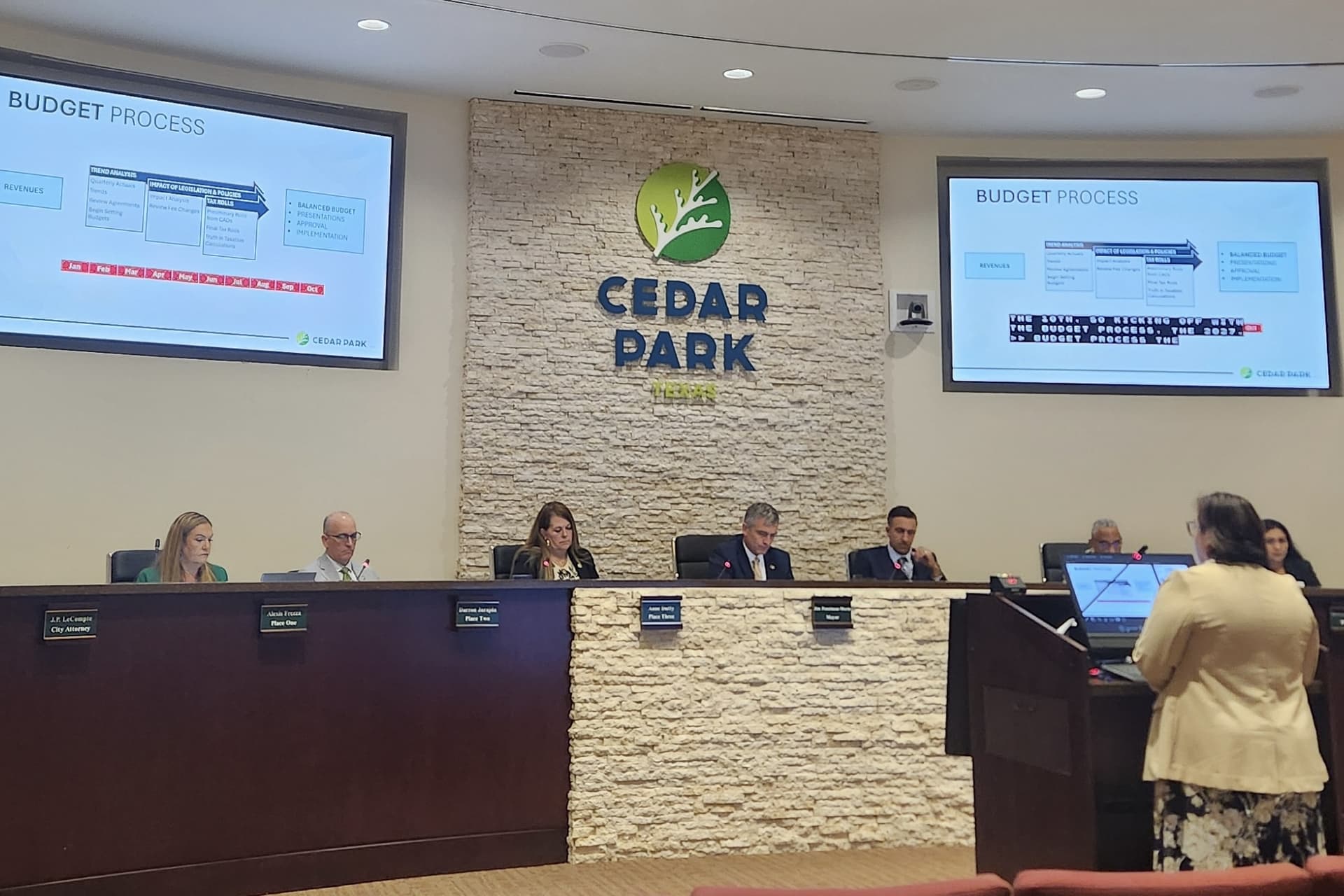
Several city council members said at an Aug. 13 meeting that the challenges the city faces are not unique to Cedar Park and that city staff did a good job drafting the budget given the broader economic circumstances.
Council members also said they believe the budget minimizes the increase in property taxes local homeowners will pay.
“I do want to also note that this is considerably lower than the average homeowner in, say, our neighbor to the south, [Austin], had to add to their budget,” Mayor Jim Penniman-Morin said.
Austin leaders recently passed a budget that would increase the average homeowner’s property tax bill more than 8%.
The big picture
Solis said at the Aug. 13 meeting that there are four key factors driving the budget this year:
- Maintenance costs continue to rise across the board
- Economic uncertainty and high inflation persist, including oil and fuel cost increases related to the conflict in the Middle East
- Service contract costs have increased, including operation costs and construction contracts
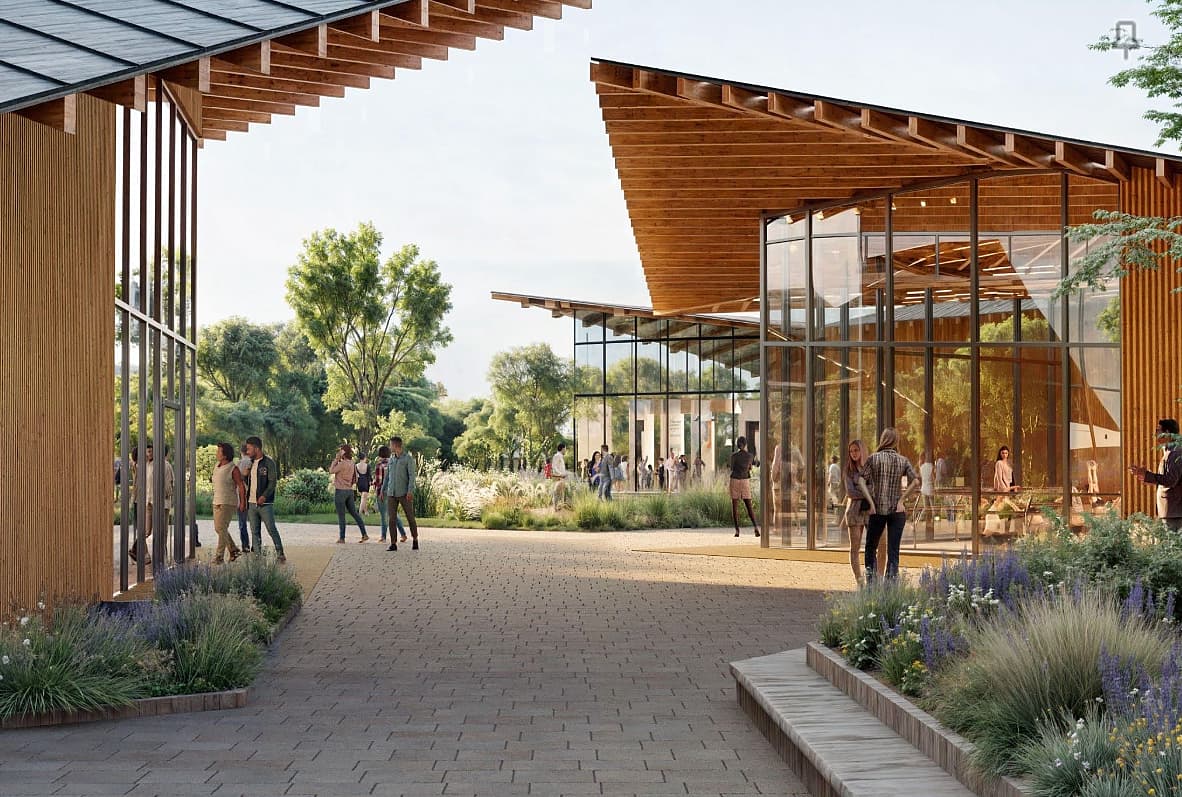
- New city facilities, including the new public safety training facility and RE|CREATE, need to be factored into the budget
Solis also identified four key areas of investment for the city in fiscal year 2026-2027:
- Public safety, including compensation and equipment
- Infrastructure maintenance and rehabilitation
- Workforce and benefits, including performance-based merit pay and health insurance
- Repairs and maintenance on existing city facilities
Zooming in
Of the total $216 million budget, $85 million is in the general fund. About 70% of the general fund goes to employee compensation. Close to 500 of the city’s roughly 600 employees are paid through the general fund.
“This reflects the city's role as a service organization,” Solis said. “Our largest investment is in the people who maintain services, deliver programs and support the community every day.”
Money in the general fund mainly comes from property tax and sales tax, with smaller amounts coming from other sources like franchise fees, which are fees paid by companies that make money by using the public right of way to deliver services, Solis said.
The second-largest fund is the $48.2 million utility fund, which is separate from the general fund because the city’s water and wastewater utility operations are funded by customers’ bills.
The remaining $83 million in the budget is allocated to funds that are set aside for specific uses, like the Type A Fund, which goes toward economic development, and the Type B fund, which goes toward community development and transportation projects.