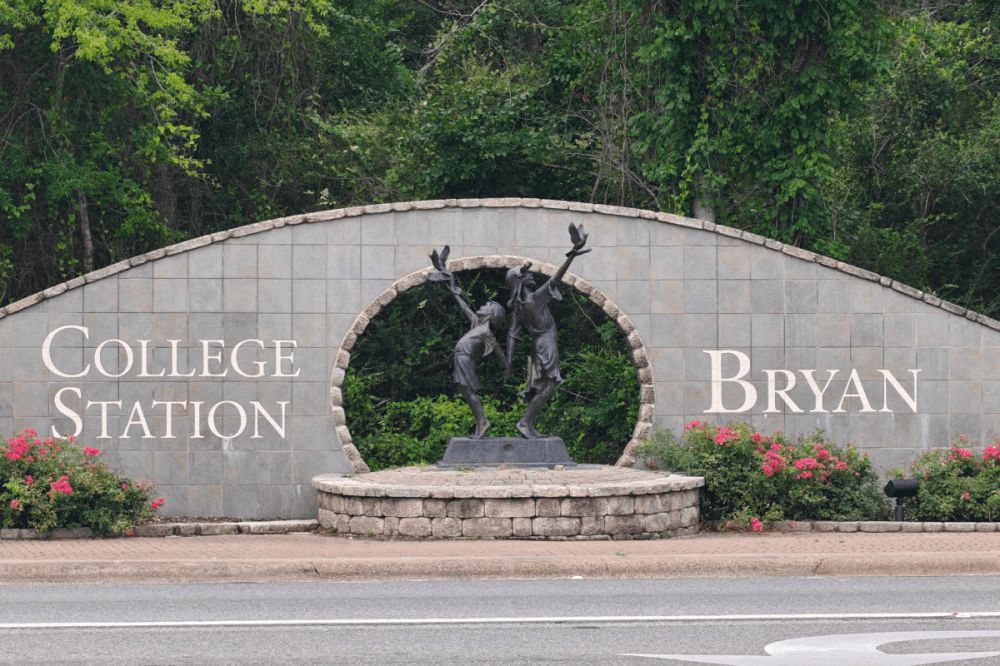
A study by the Council for Community and Economic Research and published by the Greater Brazos Partnership Sept. 1, found that the Bryan-College Station metropolitan area was 10% below the national average for living costs during the second quarter of 2026.
The big picture
The study surveyed the after-tax living costs of 248 urban areas in the country, setting the national average at 100 points. The study measured workforce relocation, including engineers, researchers, managers and clinicians, along with the highlighted costs of transportation and groceries.
According to the study, the greater Brazos region was below every Texas metropolitan area, including:
- Austin
- Dallas
- Houston
- Fort Worth
- Plano
By the numbers
Housing was the lowest-rated category, with the BCS metro rated 18% below the national average. Transportation came in at 13.9% below and miscellaneous goods at 11.4% below the national average, according to the council.
Tom Johnson, president and CEO of the Greater Brazos Partnership, said affordability is a great asset for the Brazos Valley and having money go farther helps the area grow.
“That is a durable advantage, and protecting it as the region grows is part of the work,” Johnson said.
The takeaway
Johnson also said the household budget going further than anywhere in Texas can be attributed to short commutes and reasonable housing, something that the city of College Station has put money directly back into after population growth and inflation.
As previously reported by Community Impact, the Bryan-College Station metro has been creating more economic revenue streams with opportunities like the Midtown baseball complex, the incoming Bass Pro Shops location and more hosting opportunities at the Legends Event Center.