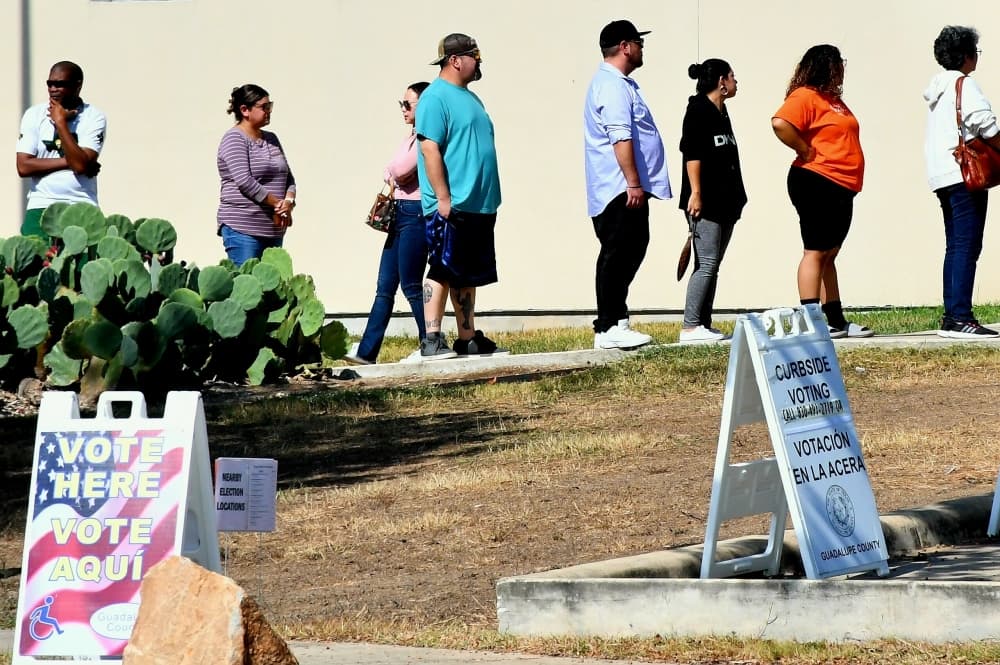
Candidates for College Station ISD’s two open Board of Trustees seats discussed student achievement, teacher retention, school safety, state funding and district transparency during the district’s Oct. 13 forum.
Included in the forum:
Place 6 candidates:
Place 7 candidates:
Incumbent Heather Simmen
Karen Strope
The highlights
Throughout the discussion, candidates emphasized student success and responsible spending, while offering different perspectives on staff retention, evaluating district leadership and improving communication with families.
Student achievement and accountability: Candidates discussed how trustees should measure district success beyond state accountability ratings. CSISD representatives cited the district’s improvement to a rating of 86 in 2026, up from 83 in 2025, as well as its 47 campus distinctions, as signs of progress.
Ege pointed to improved accountability results and campus distinctions while acknowledging that test scores are only one measure of student achievement.
Simmen emphasized setting clear goals, monitoring data and holding district leadership accountable for results. She also said the district’s budget should reflect student priorities.
"Our most important job as a board is we set clear goals and we hold the district accountable for how we're reaching them,” Simmen said.
Strope suggested the board should consider additional indicators, including teacher retention, employee satisfaction, enrollment trends and reasons families leave the district. She said the board should seek feedback and use it to guide adjustments.
Gallagher emphasized the need to examine district spending and ensure the budget supports students, teachers and programs that contribute to student success.
Teacher retention and staff support: The candidates addressed how trustees can support teachers and campus staff beyond compensation, including creating safe ways for employees to raise concerns.
Simmen supported confidential opportunities for staff to speak directly with board members, including listening sessions without administrators present. She said trustees should explore ways to make it easier for employees to share concerns, particularly after a long workday. She also referenced a new survey platform.
Ege emphasized improving communication after listening sessions so employees and community members know what actions, if any, will follow.
“I have heard it said that people are afraid of retaliation. I can say I have not heard of an instance where a concern was brought up and the district in some way retaliated against a staff member,” she said. “I think having one-on-one conversations is a better way for people to feel comfortable… I'd like to see us do a better job of communicating out after those sessions and what actionable items we can take.”
Gallagher raised concerns about teachers leaving the profession early, beyond departures caused by retirement or family relocation. She said retaining talented educators requires ensuring their concerns are heard.
Strope’s closing remarks identified educator support as one of her three priorities, alongside student success and fiscal responsibility.
School safety and student well-being: Candidates discussed campus security, counseling and the evidence trustees should review to determine whether student-safety investments are effective.
Simmen cited the importance of monitoring students’ well-being and ensuring school counselors have the support they need. She also pointed to attendance as one possible indicator of whether students feel comfortable at school.
“I’d want to see the data, ask the hard questions,” she said, “and I feel like we're doing that. I feel like our TEA rating really shows that recently.”
Strope referenced existing physical-security measures, including fencing, campus officers, drills and secured doors. She also stressed the importance of clear, consistent procedures for addressing student behavioral issues so classroom teachers can focus on instruction.
Gallagher discussed security measures such as locked doors, campus officers and window protection, while noting how some recently installed fencing might require adjustments.
The discussion also turned to school funding. Gallagher advocated changing the state’s funding formula so districts receive funding based on enrollment rather than attendance, arguing that students who miss school for medical or other reasons can affect district funding.
State funding and district priorities: Enrollment-based funding emerged as a shared priority.
Simmen said she supported the change and referenced her experience as an alternate delegate at a school board conference where legislative priorities were adopted for the upcoming Texas legislative session. She also called for a meaningful increase in the state’s basic allotment, which she said has not kept pace with rising costs such as insurance and utilities. She argued that the state should fund the requirements it imposes on school districts.
Gallagher said state-level changes would take time, making it important to review CSISD’s current budget for potential cuts while prioritizing teachers, students, interventionists and instructional coaches.
The candidates also discussed how the board should evaluate the superintendent.
Ege and Simmen emphasized progress toward strategic-plan goals and leadership effectiveness. Strope said the board should also examine employee and family satisfaction, enrollment patterns and whether the district is retaining educators and attracting families.
Boundaries, transparency and public trust: When asked how trustees should approach potential high school attendance-boundary changes, Simmen emphasized neighborhood schools, balanced opportunities between the district’s two high schools, community involvement and advance notice. She pointed to a previous boundary adjustment that was corrected after community members raised concerns.
Candidates then discussed how to make major district decisions easier for the public to understand.
Simmen pointed to information provided before board meetings and encouraged residents to follow meetings, ask questions and participate in listening sessions. Strope emphasized gathering feedback before decisions and checking afterward to see how changes affect families and staff. She said the district should be willing to make corrections when a decision does not work as intended.
Gallagher said explaining the reasoning behind decisions is essential, arguing that a lack of explanation can allow speculation to spread. Ege noted that trustees must communicate within the constraints of Texas’ Open Meetings Act and said she was open to improving how the district explains its work.
On misleading online claims, candidates generally favored verifying information and directing questions through appropriate district channels rather than arguing on social media. Ege said board members should be careful not to appear to speak for the entire board when responding individually.
One more thing
Candidates representing Bryan and College Station also met Oct. 13 to discuss growth, housing and taxes in public forum.