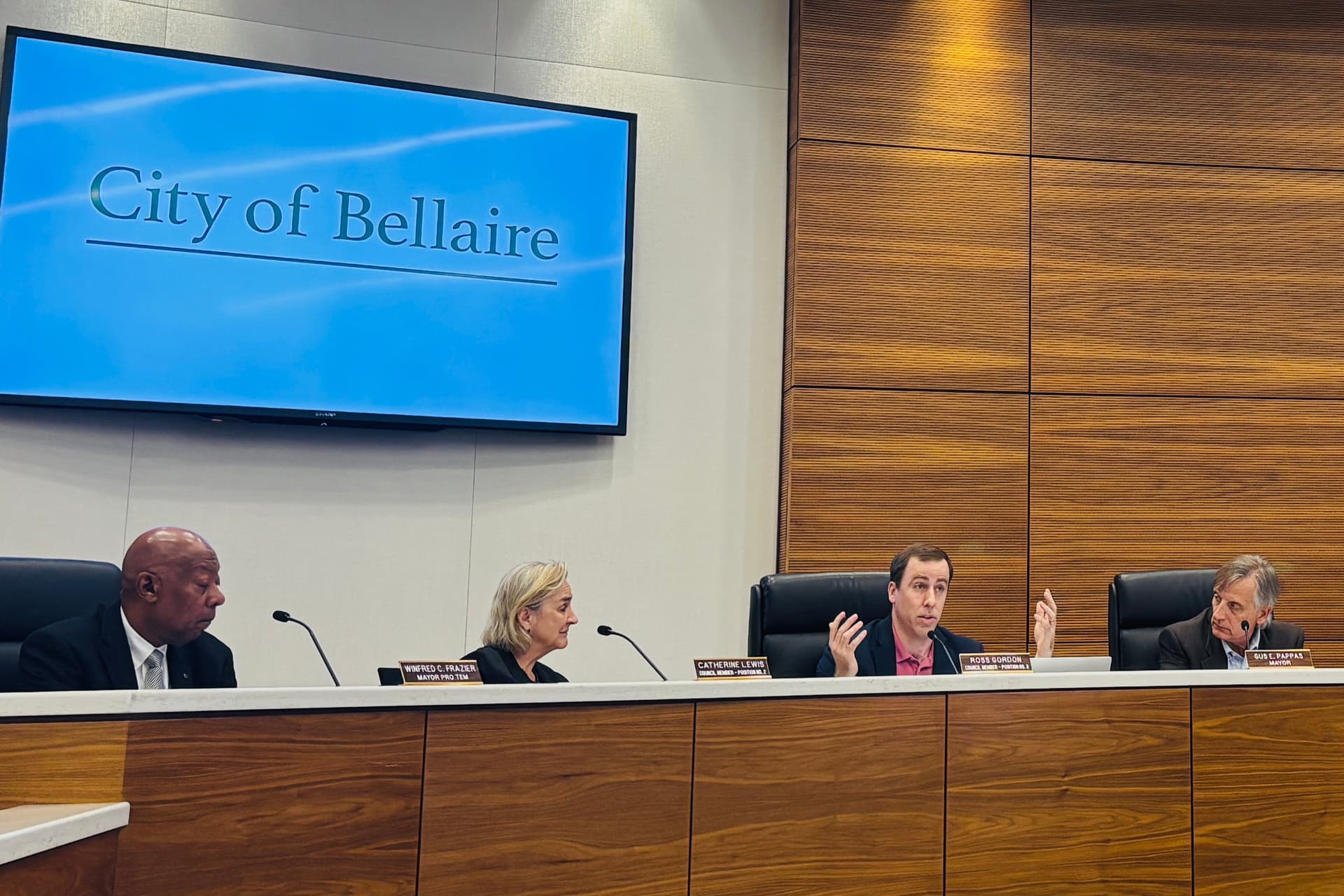
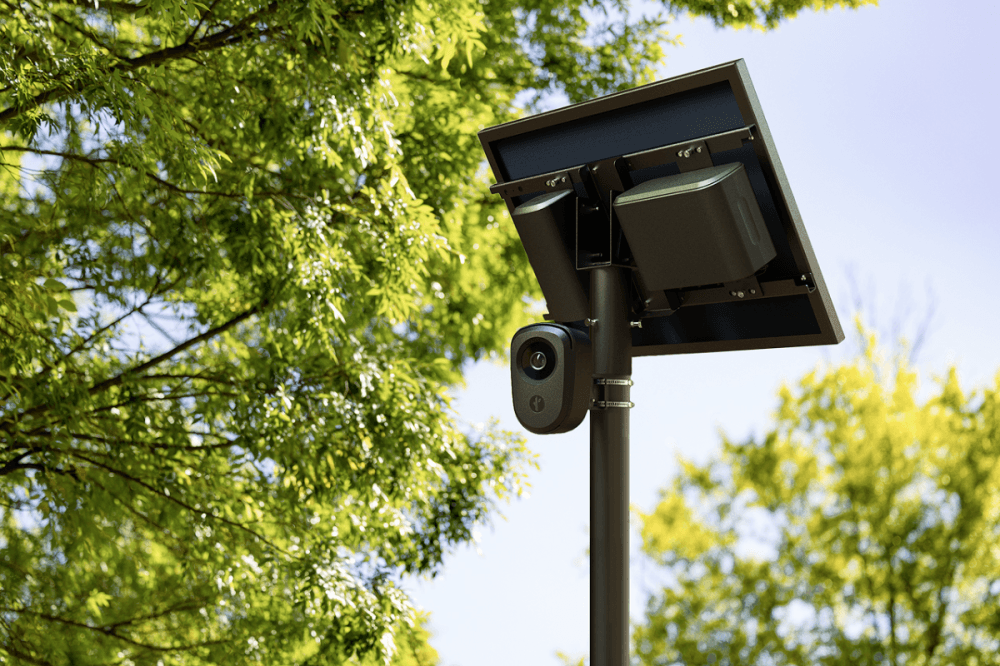
Kemah City Council discussed the city’s use of Flock Safety automated license plate readers and directed city staff and the Kemah Police Department to investigate and clarify how the city currently uses the cameras and—if the city were to take them down—how it would impact the city financially.
KPD Police Chief Raymond Garivey Jr. said there are 41 cameras in the city which law enforcement can access; 18 of those are automated license plate reader cameras.
What happened
City Council discussed what the city’s policy should be regarding the cameras, in light of citizen concerns about privacy, at its Sept. 2 meeting.
Council member Dustin Oliver said he previously voted to fund the city’s purchase of Flock cameras. However, widespread opposition to the cameras, as well as Governor Greg Abbott’s decision to block state agencies from spending money on Flock cameras, led him to bring the item up for discussion with City Council.
“It’s no secret that I was on board to go for the grant funding with this technology,” Oliver said. “I don’t know that I would vote the same way, maybe I would, maybe I wouldn’t.”
According to law enforcement
Garivey said at the meeting all his officers signed off on a policy stating that if an officer violates the rules governing Flock cameras, they will be terminated and held accountable under the law.
“We see the concerns and in Kemah, I’m almost 100% sure our officers are not going to have that problem,” Garivey said.
Garivey said the department has limited access to the cameras to supervisors and dispatchers only.
Next steps
City Council asked city staff to look into several questions about the city’s use of Flock cameras and report back with their findings, including:
Does Flock Safety have a way to limit camera access to city personnel only?
If the city were to remove existing cameras, how would it impact the city financially?
How will the city respond to changes announced by Flock Safety’s CEO?
Flock Safety CEO Garrett Langley announced in August the company would shorten the data retention period from 30 days to seven days, and law enforcement searches would require case codes by the end of 2026, according to social media posts from the company.