As water restrictions and shortages become more common in Texas communities, state lawmakers are asking voters to approve $20 billion to fund new water supply projects and improve existing systems over the next 20 years.
What you need to know
If voters approve State Proposition 4, which is on the November ballot, the state will create a dedicated funding stream to help local utilities access more water and upgrade their infrastructure. Without the new funding, Texas’ water crisis could deepen, experts say.
“I think most people in this room have been subjected to some water shortage, or boil water notice, or water restrictions over the last year,” Sen. Charles Perry, R-Lubbock, told a few dozen people during an Oct. 16 forum on water issues. “It's just become part of our normal.”
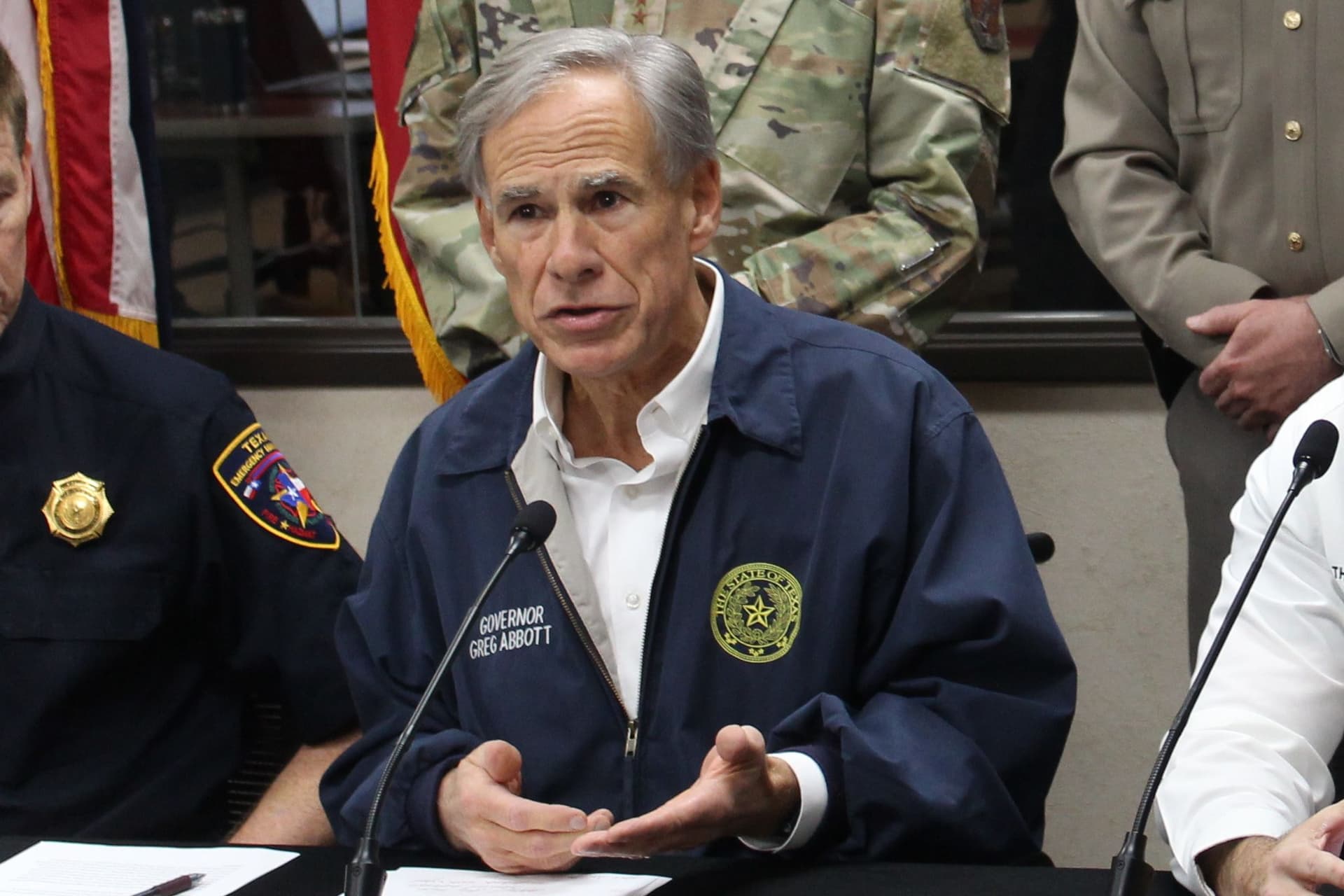
Perry, who leads a legislative committee on water and rural issues, authored legislation this year to make what Gov. Greg Abbott has called “a Texas-sized investment” in water infrastructure. The new funding source would be enshrined in the Texas Constitution, meaning it requires voter approval.
“I think that if you want to continue to live in Texas... and if you want your great grandkids to be able to live in Texas—probably your kids and grandkids are going to feel the pressure on water supplies, as we feel it today—you need to get out there and have your church members, your friend groups, make sure they vote for Prop 4,” Perry said during an Oct. 16 event in Austin.
Despite the $1 billion annual price tag, Proposition 4 would not create any new state taxes or increase costs for Texans, lawmakers and experts said. Beginning in 2027, the money would come from existing sales tax revenue and be deposited in the Texas Water Fund, a state account that voters approved in 2023.
If approved by voters, the new funding stream would mirror the state highway fund, which is used to finance road projects and is bankrolled by several sources, including vehicle registration fees, gas taxes and sales taxes.
“This is really a significant moment for Texas, and now it's in the hands of the voters,” said Sarah Rountree Schlessinger, the CEO of the nonprofit Texas Water Foundation. “Texas voters are going to be asked whether or not they approve a constitutional dedication like we have for roads and bridges, other critical infrastructure.”
Early voting begins Oct. 20 and runs through Oct. 31. Election Day is Nov. 4. Click here for more information about the 17 state propositions on the ballot and visit www.communityimpact.com/voter-guide for local ballot information.
Put in perspective
The Texas Water Development Board’s state water plan, which was published in 2021, estimates that about 51.5 million people will live in Texas by 2070. In that period, demand for water is expected to increase by 9% and existing water supplies are projected to decline by 18%, according to the plan.
State lawmakers found that “the projected shortfall could be underestimated” due to substantial population growth and increased droughts since 2021.
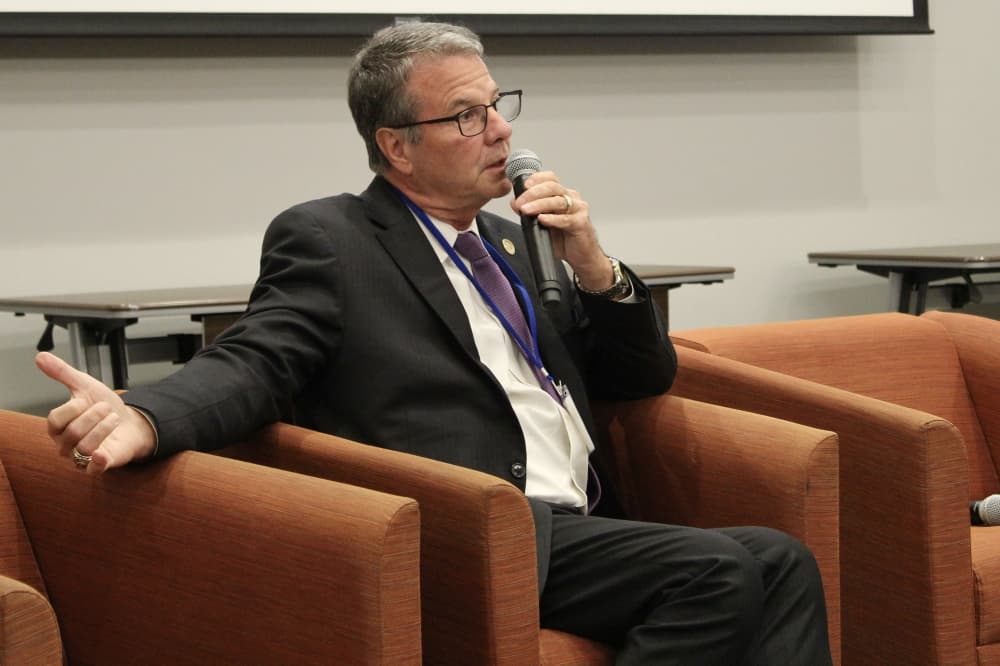
“We’ve got 1,500+ people moving to Texas every day, and not one of them is bringing a single drop of water with them,” Dean Sharp, who leads the management division of the Texas American Water Works Association, said Oct. 16.
Since 2021, several Texas cities in Community Impact’s coverage areas, including Dripping Springs, Conroe and Magnolia, have paused new development for a temporary period to prevent water shortages.
Without an existing funding stream dedicated to water projects, Perry said Texas currently has a system with “multiple pockets of water supply development that really doesn’t use taxpayer resources well.” He said he hopes Proposition 4 will allow the state to take the lead on water supply funding.
“A consistent stream of funding with state oversight will connect the dots better, so maybe multiple regions will be served by a single pipeline,” Perry said during the Oct. 16 event. “Mayors don’t want to tell their constituents, ‘Give me $30 more a month for 30 years, and on the 31st year, you'll have water to drink from.’ So state leveraging, state planning, state coordinating is going to better serve regional aspects for small rural communities that would not be able to do it on their own.”
Breaking down the proposal
If the $1 billion in new annual funding is approved by voters, it will be managed by the TWDB with legislative oversight. Half of that money would be used to develop new water supplies and increase access to water, which could include:
- Acquiring water from other states
- Repairing leaky pipes
- Funding projects to reuse wastewater
- Desalinating—or removing salt and other minerals from—seawater and groundwater
The other half of the money would go to existing programs sponsored by the TWDB, such as flood infrastructure projects.
Because the funding would come from existing sales tax revenue, the plan would not increase tax rates.
A recent poll by Texas 2036, a nonpartisan think tank, found that 76% of likely voters supported Proposition 4 when they learned that it would invest $1 billion per year in water projects for the next two decades without raising taxes.
“It seems overwhelming—$20 billion is a lot of money—but we’ve got our own electric grid,” Perry said Oct. 16. “[Texans] can do whatever we set our minds to... and this is one of the biggest things that we’ll do.”