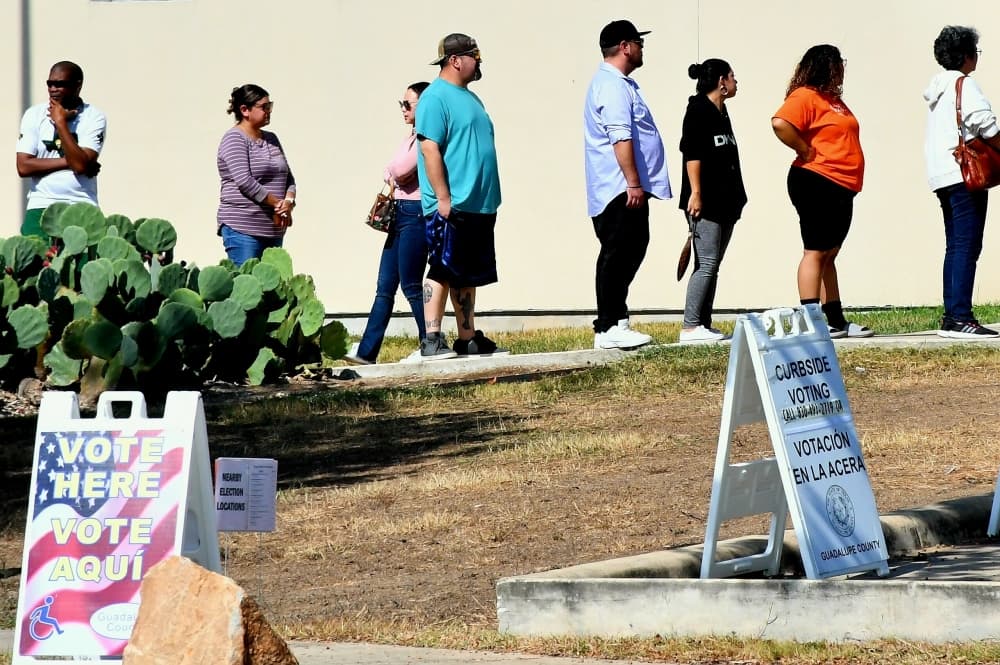
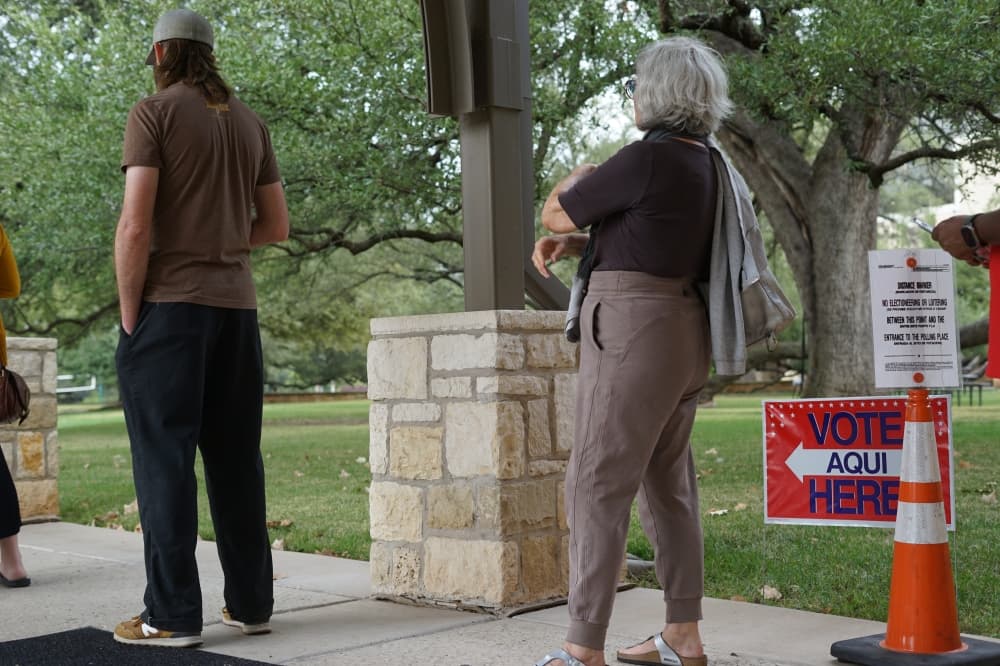
Primary election day in Texas is March 3. With dozens of state, regional and local races on the ballot, voters in the Republican and Democratic primaries will determine their parties’ nominees for the November midterm election.
Voters may participate in either primary, but not both. Those who signed petitions for Libertarian or Green party candidates are not eligible to vote in a primary, according to the secretary of state.
Over 2.5 million Texans, or 13.5% of the state’s 18.7 million registered voters, cast ballots during the Feb. 17-27 early voting period, state data shows.
Keep reading to learn what’s on the ballot and what voters can bring to the polls. For a closer look at the contested races on local ballots and over 100 Q&As with candidates, visit communityimpact.com/voter-guide.
At a glance
Polling places across Texas will be open from 7 a.m.-7 p.m. March 3, according to the secretary of state.
On election day, voters in the following counties in Community Impact’s coverage areas can vote at any polling location within their county of residence through the countywide voting program: Bastrop, Bexar, Brazoria, Brazos, Collin, Comal, Fort Bend, Galveston, Guadalupe, Harris, Hays, Tarrant and Travis. Registered voters in other counties are required to visit a polling place specific to their voting precinct.
Dallas and Williamson counties previously offered countywide voting but will be switching to precinct-based voting for the March 3 primaries, per local election officials.
Registered voters can find precinct information on their voter registration certificate or by logging into the state voter portal. Texans can search for polling locations through the voter portal or contact their local election office.
On the ballot
At the polls, voters will be given a ballot with a slate of statewide seats and other races determined by the voting precinct they live in.
Candidates who win their primaries will represent their party in the midterm election Nov. 3. If no candidate receives more than 50% of the vote in a race, the two highest vote-getters will face each other in a May 26 runoff election. Primary voters are not required to vote in runoff elections, although they may not switch parties if they participate in both.