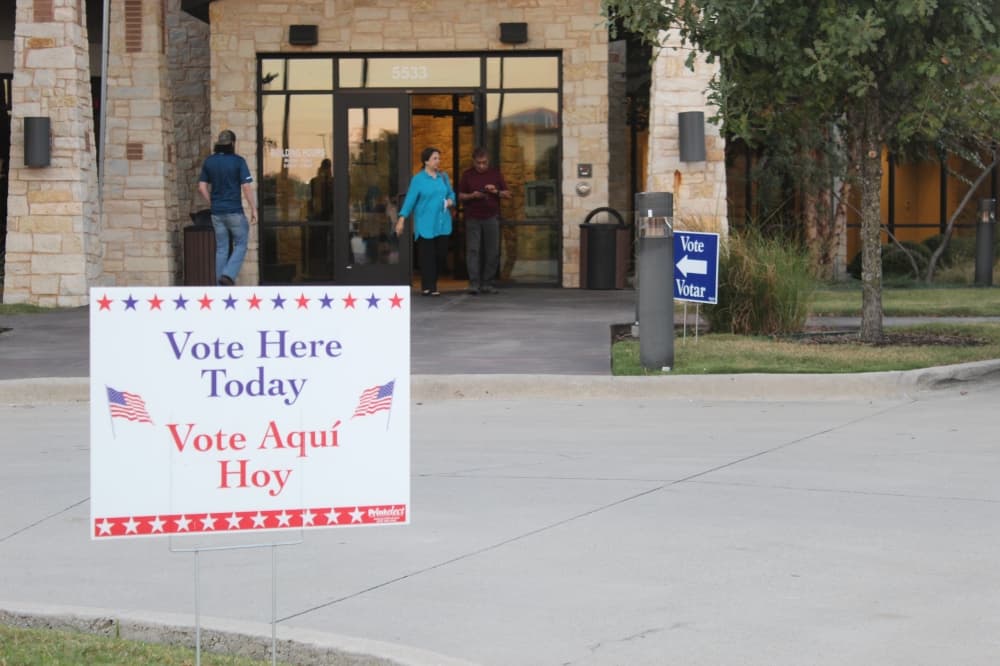
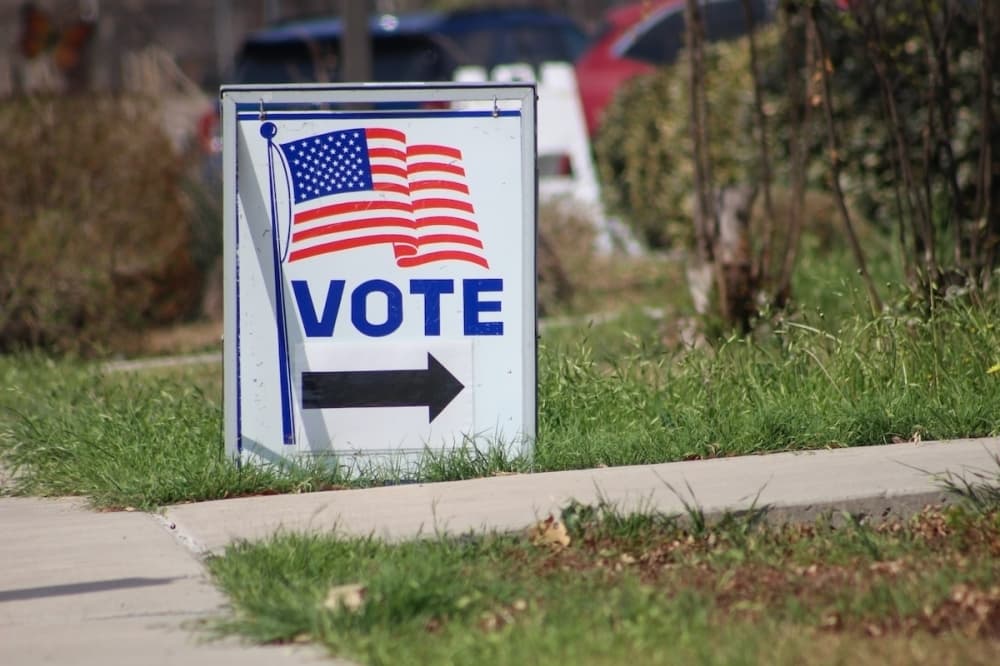
Williamson County voters participating in the March 3 primary election will use precinct-specific voting locations on election day, even though countywide polling locations will remain available through early voting.
Explained
Although the Williamson County Elections Department manages early voting, the Republican and Democratic parties are responsible for election day procedures, County Elections Administrator Bridgette Escobedo said.
For the first time since 2013, the Williamson County Republican Party opted for precinct-specific polling locations, which in turn requires the local Democratic Party to follow suit.
What they’re saying
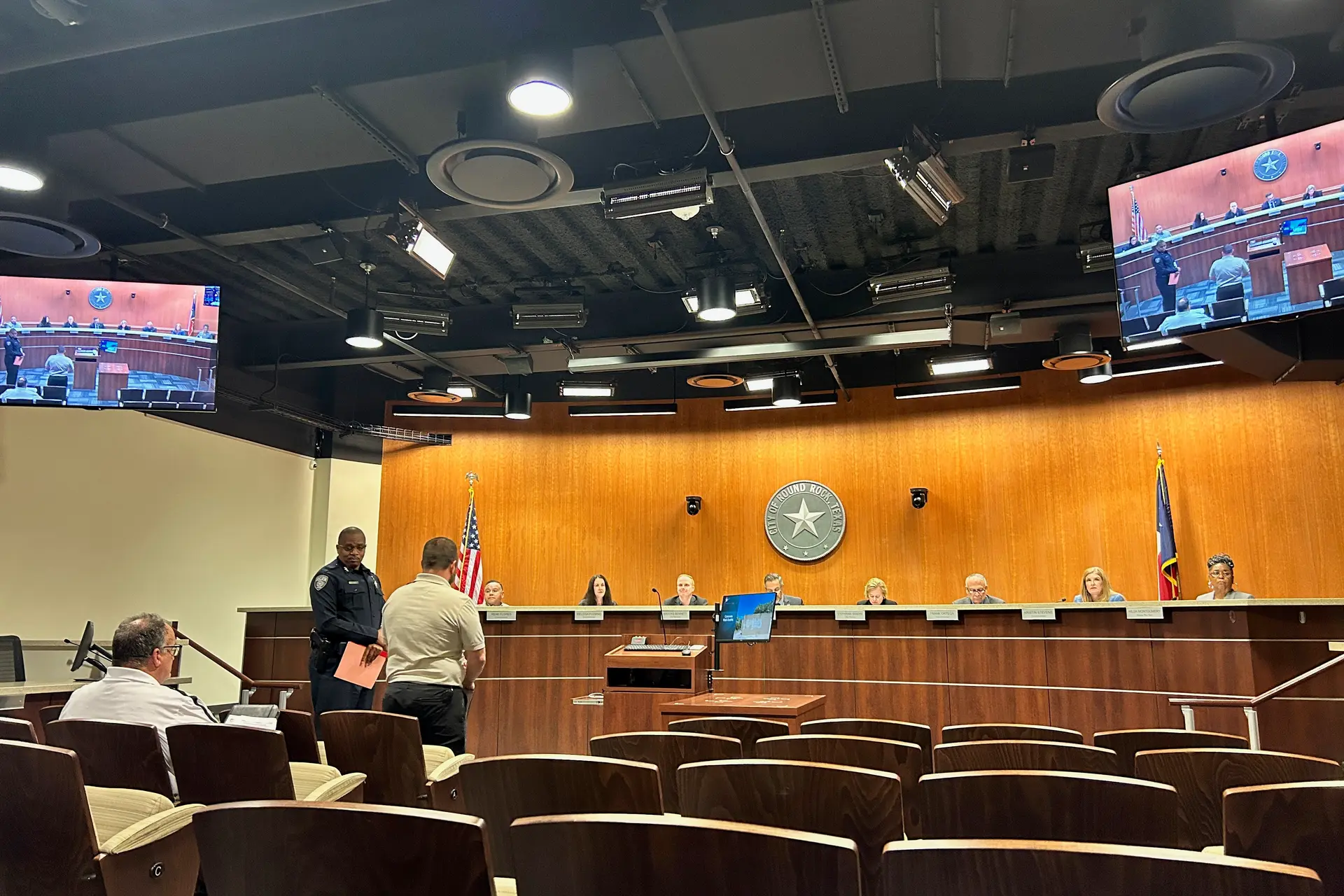
Williamson County Republican Party Chair Michelle Evans cited voter integrity as the main reason for this change at a Jan. 27 Commissioners Court meeting.
“We all share the same goal of having a successful primary election with voters that are confident that their ballot is confidential, that their ballot is counted and that their ballot matters,” Evans said. “We're doing what we can as the Republican Party to achieve that in the method that we feel is best for our party.”
Williamson County Democratic Party Chair Kim Collins Gilby said the party strongly opposes precinct-only voting. Because Williamson County’s population has grown since 2013, countywide voting reduces confusion and ensures voters are not turned away for going to the wrong location, Gilby said.
“This isn't a Democratic or Republican problem—it's a voters problem,” Gilby said. “And we just want to ensure nobody's going to get left by the wayside.”
Digging deeper
Republicans plan to operate 79 polling locations, combining some of the 177 voting precincts. The Democratic Party plans to operate 46 polling locations. These numbers have not been finalized and are subject to change, Evans said.
Voters can check county voter precinct maps to identify their updated precinct, which went into effect Jan. 1.
Specific polling locations, for both early voting and election day, have not been released yet. Early voting locations should become available next week, Escobedo said.
What else?
Republicans and Democrats will also have procedural differences in how ballots are cast on election day.
Republican voters will use preprinted, sequentially numbered paper ballots. Voters will mark their ballots by hand, then place the ballot into a box.
Democratic voters will use the same ballot-on-demand system used during early voting. Ballots are printed at check-in based on the voter’s eligibility, hand-marked and then scanned using standard electronic equipment.
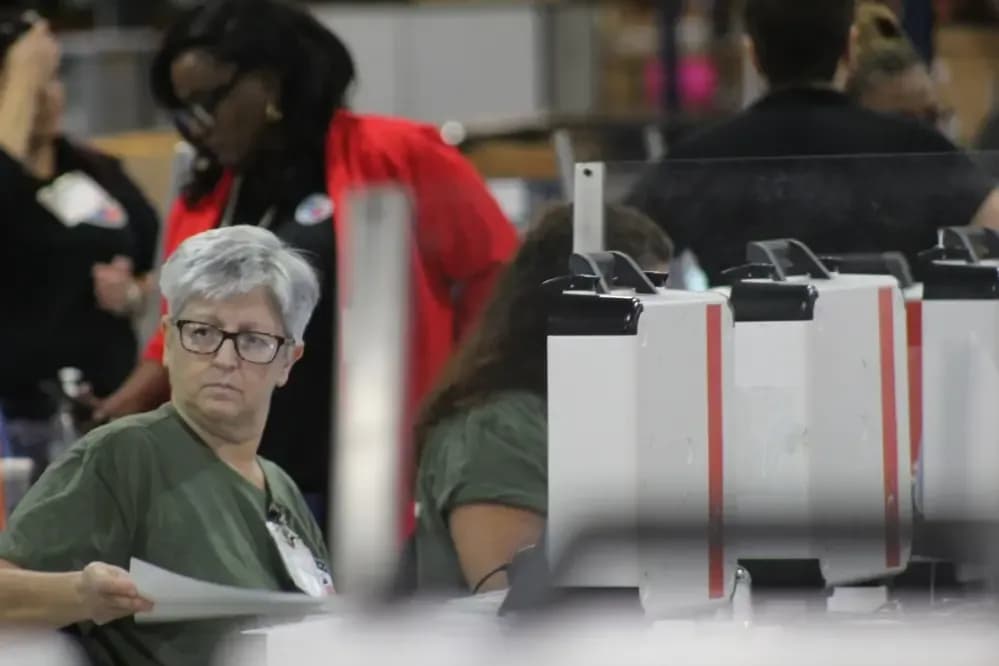
Ballots collected in boxes are later transported to the elections office for scanning. Some sorting by precinct may occur before scanning by the polling location’s presiding judge.
“I just wanted to set everyone's expectations that you might go to bed without knowing your election results, and that's okay,” Escobedo said. “Nothing nefarious has happened or nothing's gone wrong. It's just going to take us a little bit more time on election day to process those ballots.”
Something to note
Although the parties are not running a joint primary, they could share polling locations on election day depending on space availability. If that happens, each party will operate separately, using different rooms or distinct areas with separate entrances, check-in stations and voting equipment.
Early voting will be identical for both parties. The county will run early voting using countywide vote centers, electronic poll books and ballot-on-demand printers. Voters from either party may vote at any of the expected 21 early voting locations from Feb. 17-27, though they can only vote in one party’s primary election.