For many facing a Parkinson's disease diagnosis, leaving a neurologist’s appointment is the beginning of a long, and often isolating, journey, said James Lavender, executive director of Georgetown Area Parkinson’s Support.
Patients sometimes wait six to 12 months before seeing a specialist after an initial diagnosis, while dealing with fear and grief about the path ahead, Lavender said.
GAPS supports Williamson County residents with Parkinson’s, as well as their family members and caregivers, by addressing the mental and emotional effects of living with the disease.
"GAPS at the end of the day is not a program. It's not a support group. It's a community," Lavender said.
What they do
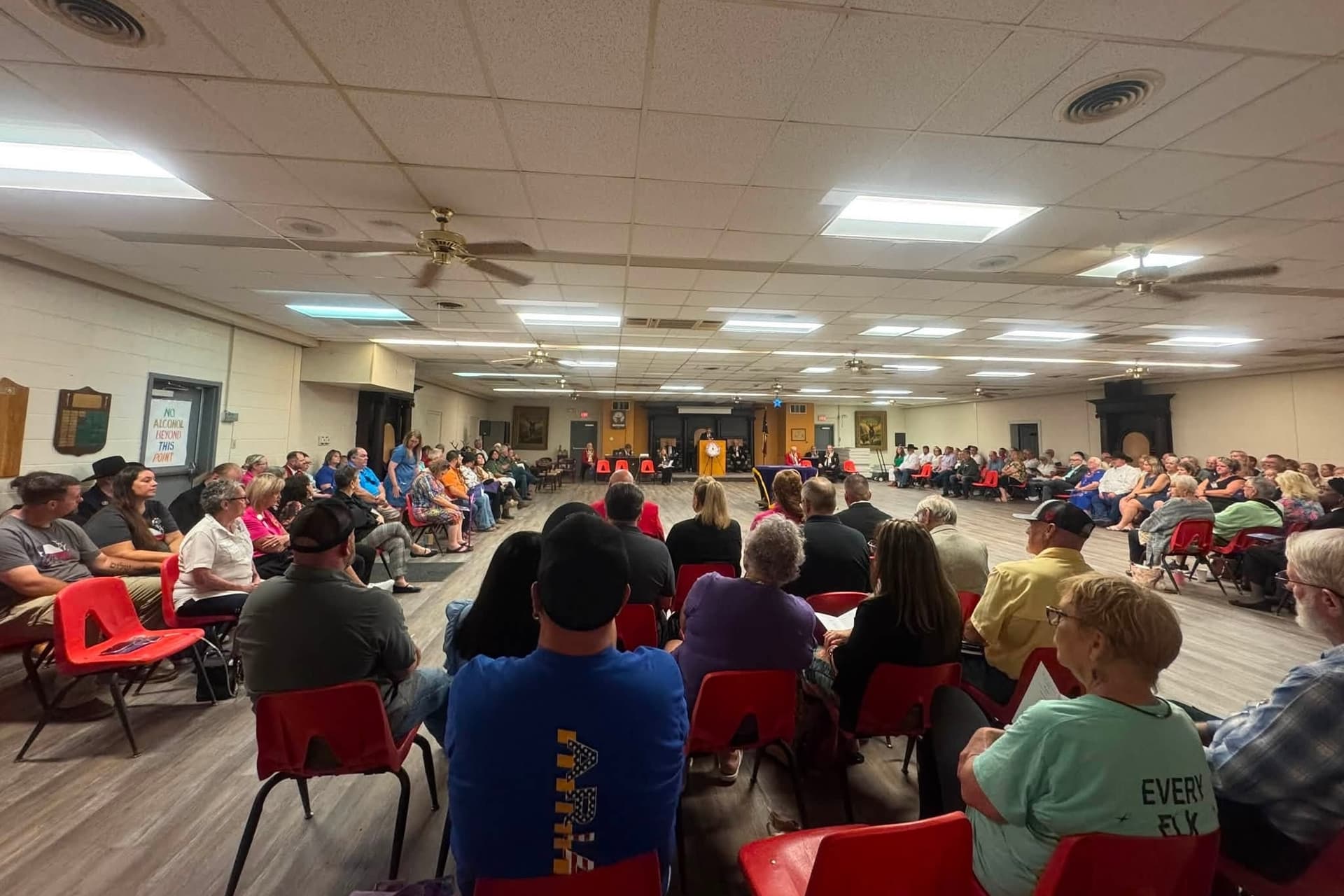
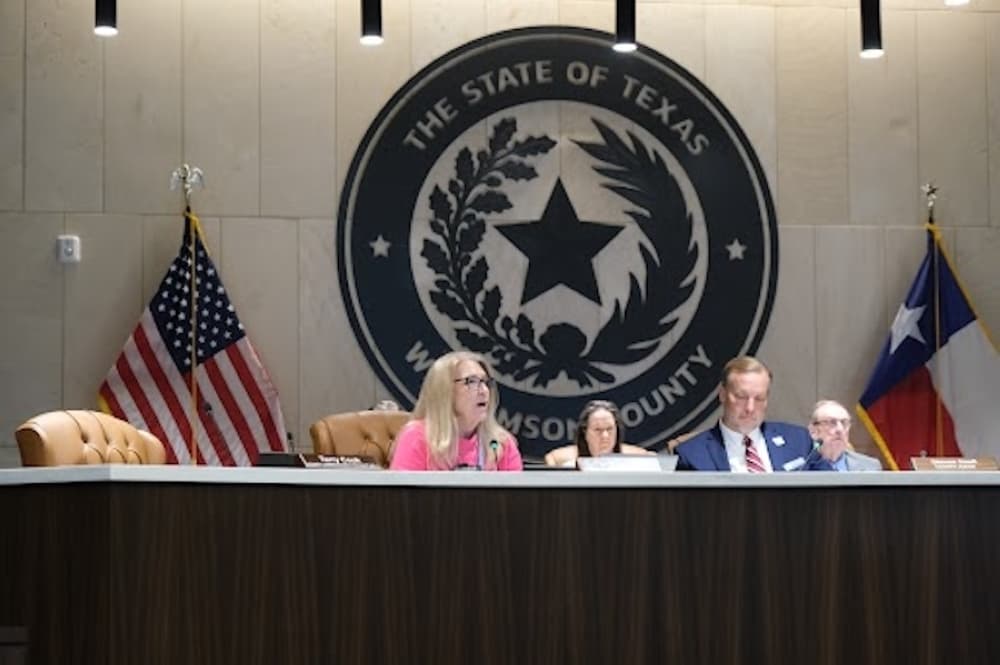
Based in Georgetown, GAPS serves greater Williamson County as the sole support organization of its kind in the area. The organization’s main mission is to ensure that those living with Parkinson’s and their loved ones do not isolate themselves in their grief, Lavender said.
“We want to fight against the emotional [and] mental battle because we know the issues are already going to be there for the physical ... and it's all about building community for us,” he said.
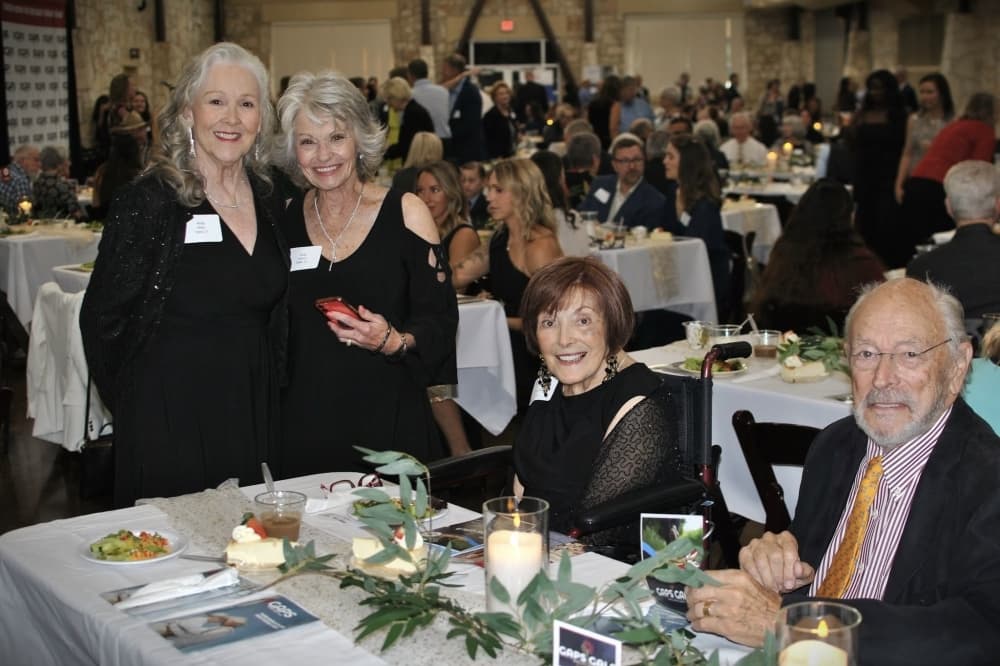
GAPS offers support group meetings for patients and their caregivers, as well as monthly socials. Other resources include weekly wellness classes, lunch and learn series, and an annual gala.
“It's hard for people to explain the condition or the diagnosis,” Lavender said. “It's way easier when ... it's like, ‘I want to hear your story, but you don't have to give me every detail because I’m already living it.’”
Why it matters
Parkinson's disease is the fastest-growing movement disorder, surpassing Alzheimer's and dementia, according to the National Institutes of Health. In Georgetown, the single movement disorder specialist diagnoses 40-60 new patients each month, Lavender said.
It is also a non-fatal disease that patients may live with for 10 to 30 years, motivating GAPS to focus on bettering the quality of life for individuals long term.
The history
Mary Jane Berry first attended the group with her husband in 2007, who lived with Parkinson’s. In 2011 and 2012, Berry expanded the organization through a relationship with the Georgetown Health Foundation and became the facilitator of the group.
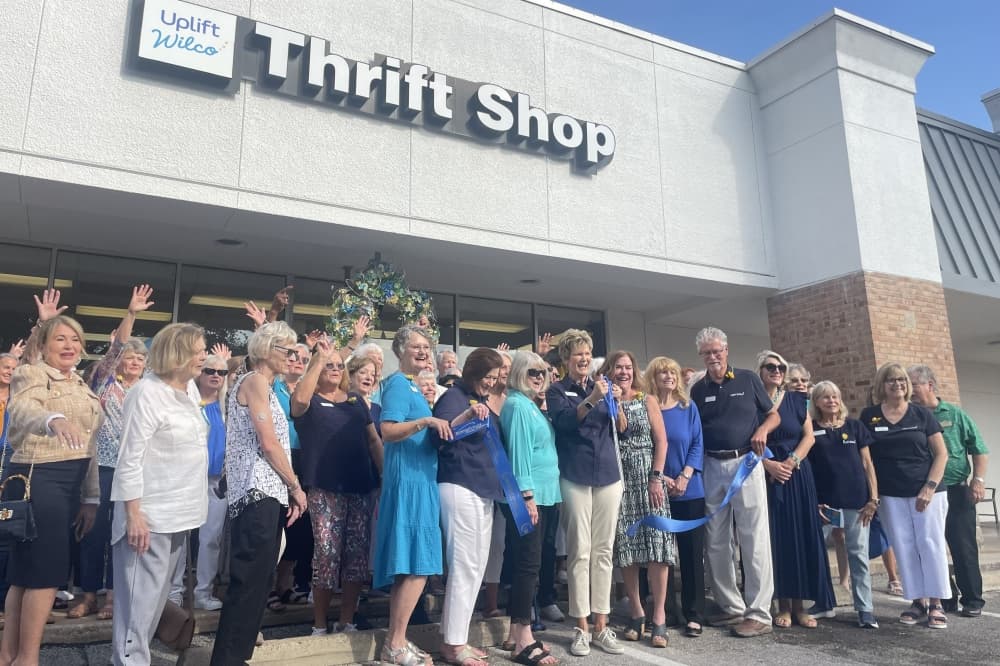
Today, the organization has over 570 members, and grew by 10% this year alone, Lavender said.