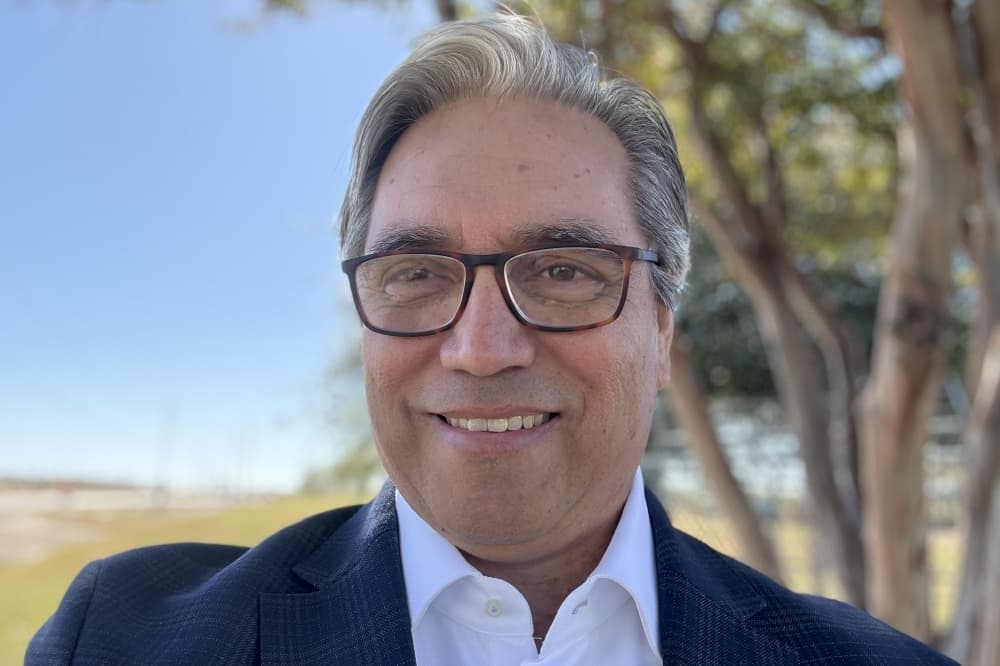
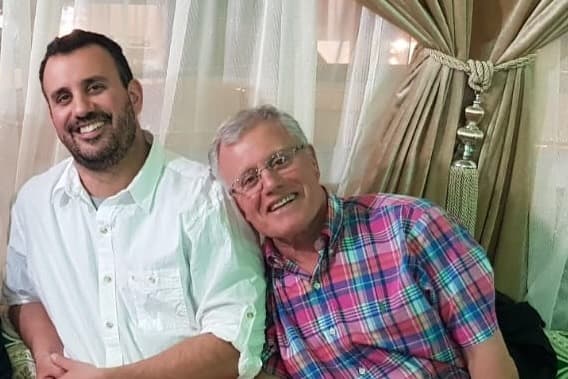
Pablo Serna became Williamson County’s new architect, overseeing the planning, design and construction of county facilities, Oct. 24. Serna sat down with Community Impact to discuss his previous experience and new role.
What's your background in architecture?
I graduated from [Texas A&M University] in ‘90-‘91 and worked in Austin for some large firms for the first 10 years. Then I was able to go out on my own [in the] early part of [the] 2000s.
But in 2020, that's when I worked for [the] Texas Military Department. I got my real feet in the door there with some large federal and state contracts.
I had always wanted to do some work with the Texas Historical Commission. A position came open there, and I was able to move into that position. I was in the historic sites division. We, at the time, had 42 historic sites and my job was similar to what I'm doing with Williamson County. It was more of a hybrid of maintenance projects, ongoing preservation [and] restoration of older projects [and] older historic resources.
Why were you drawn to Williamson County?
When Williamson County came up, I saw that as a good transition over to [the] more local. What was attractive to me about that position is they were working on some really large projects.
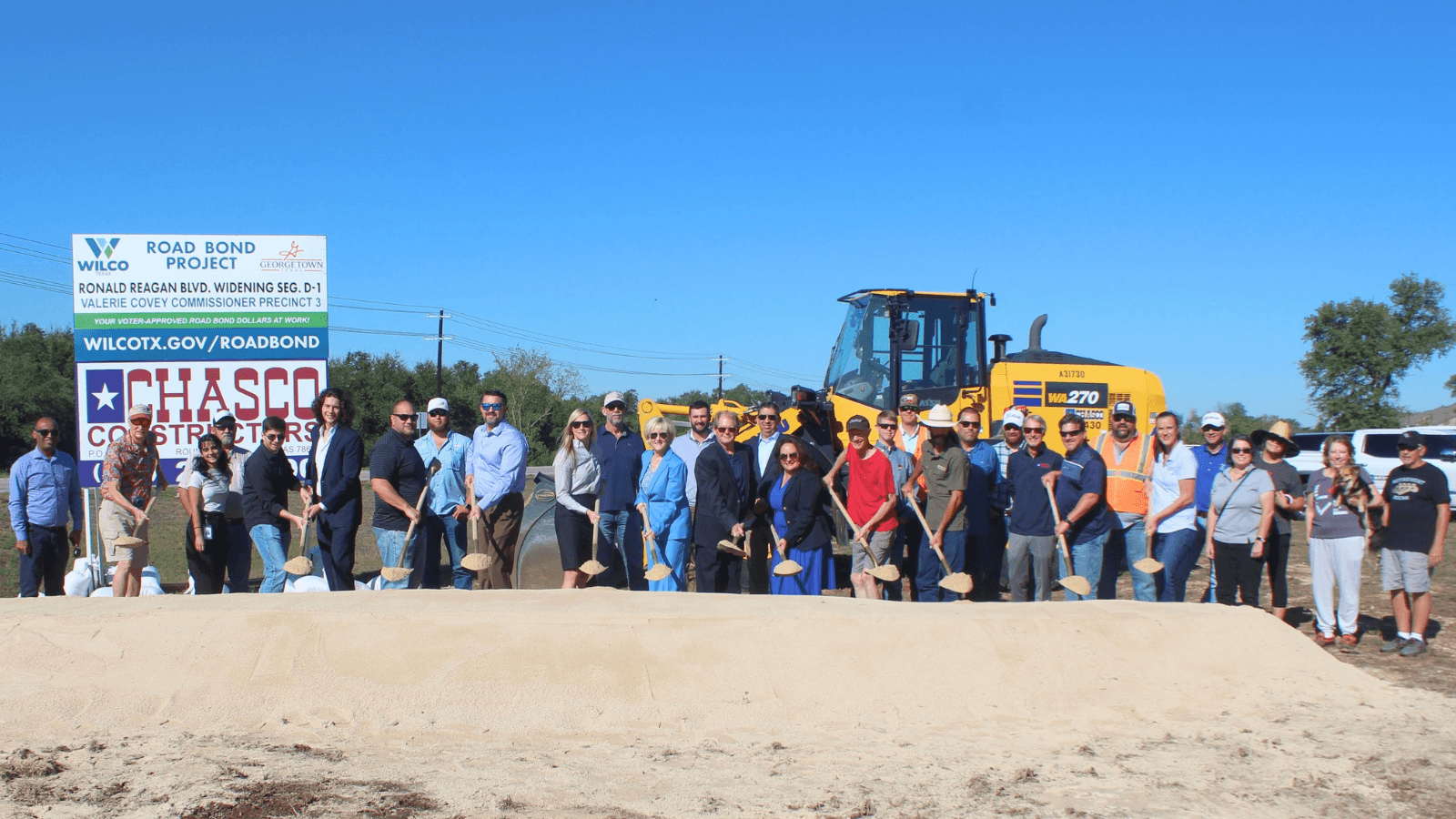
I know the new headquarters building is near completion. That's about a $90 million project and, again, I'm catching them at the tail end of that. It’s been run really well by the team here. The new project that's coming up is the Justice Center. And I'm getting in early on that and working with Dale [Butler], the facilities director, as well as the commissioners, Commissioner [Valerie] Covey particularly, and some of the other departments on that.
What's the role of the county architect?
A liaison between the professional teams that are hired. ... Usually it's a hybrid architect-engineering company that we hire to do a lot of these large projects.
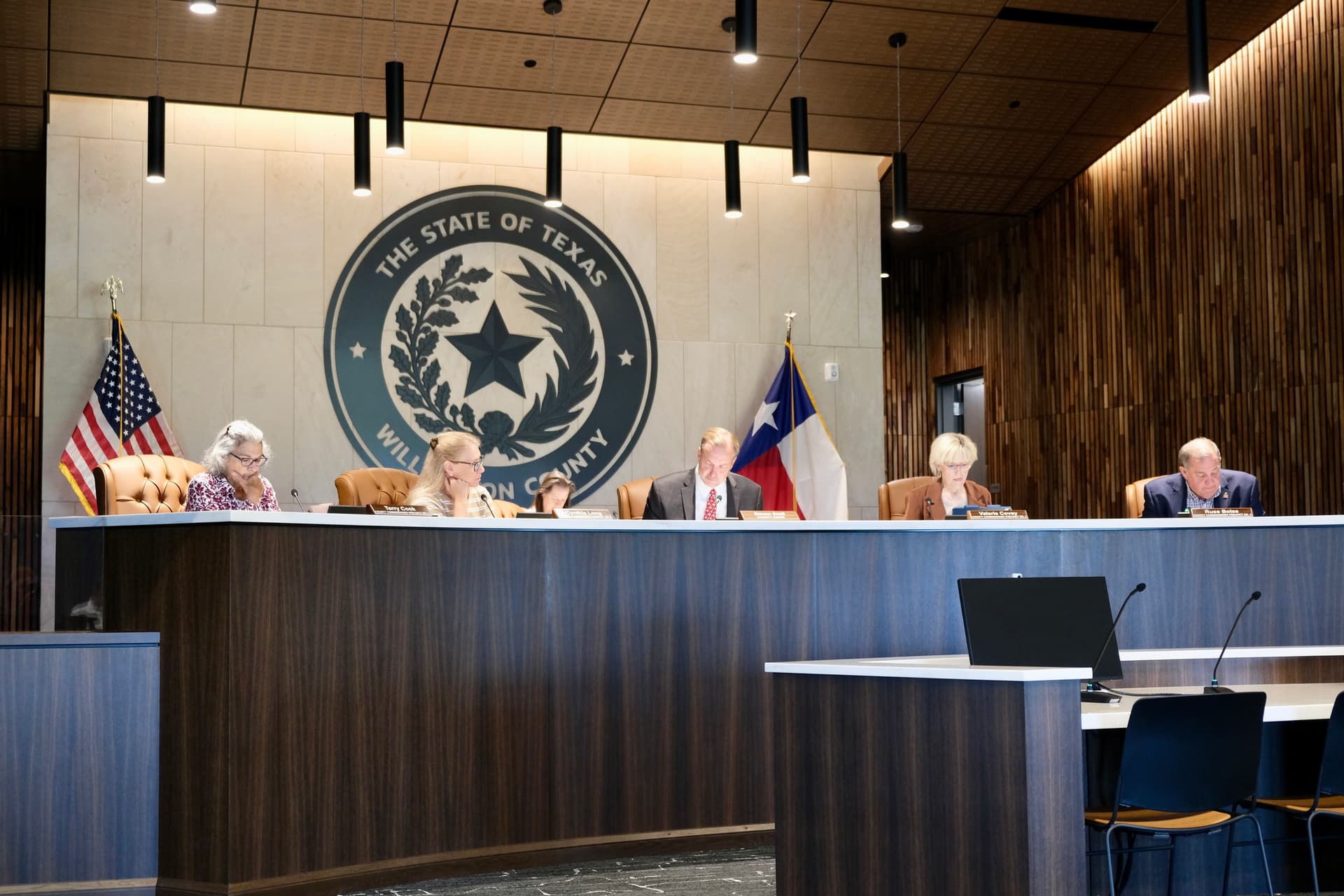
Once [a project has] been passed by the Commissioners Court, then it falls into our court as facilities to work with the professionals, get the teams lined up, get the scope identified and then get it through to the point where it goes to solicitation. So we're actually, as the county architect, working with the different departments.
What projects are you working on?
We have a number of projects ... that are just ongoing maintenance and repair of all our facilities [as well as] what we call capital projects.
Right now we have a new building coming up for Road and Bridge. We're calling it the Mustard Building, where they can meet and ... we've hired an architect to assist with that and we're working with the city of Georgetown.
Right now I'm doing Lake Creek Annex, and I'm working with the IT group and also our emergency services group. I'm developing the scope and identifying what it is they want to have and see happen in this project.
How can county facilities both preserve history and serve modern needs?
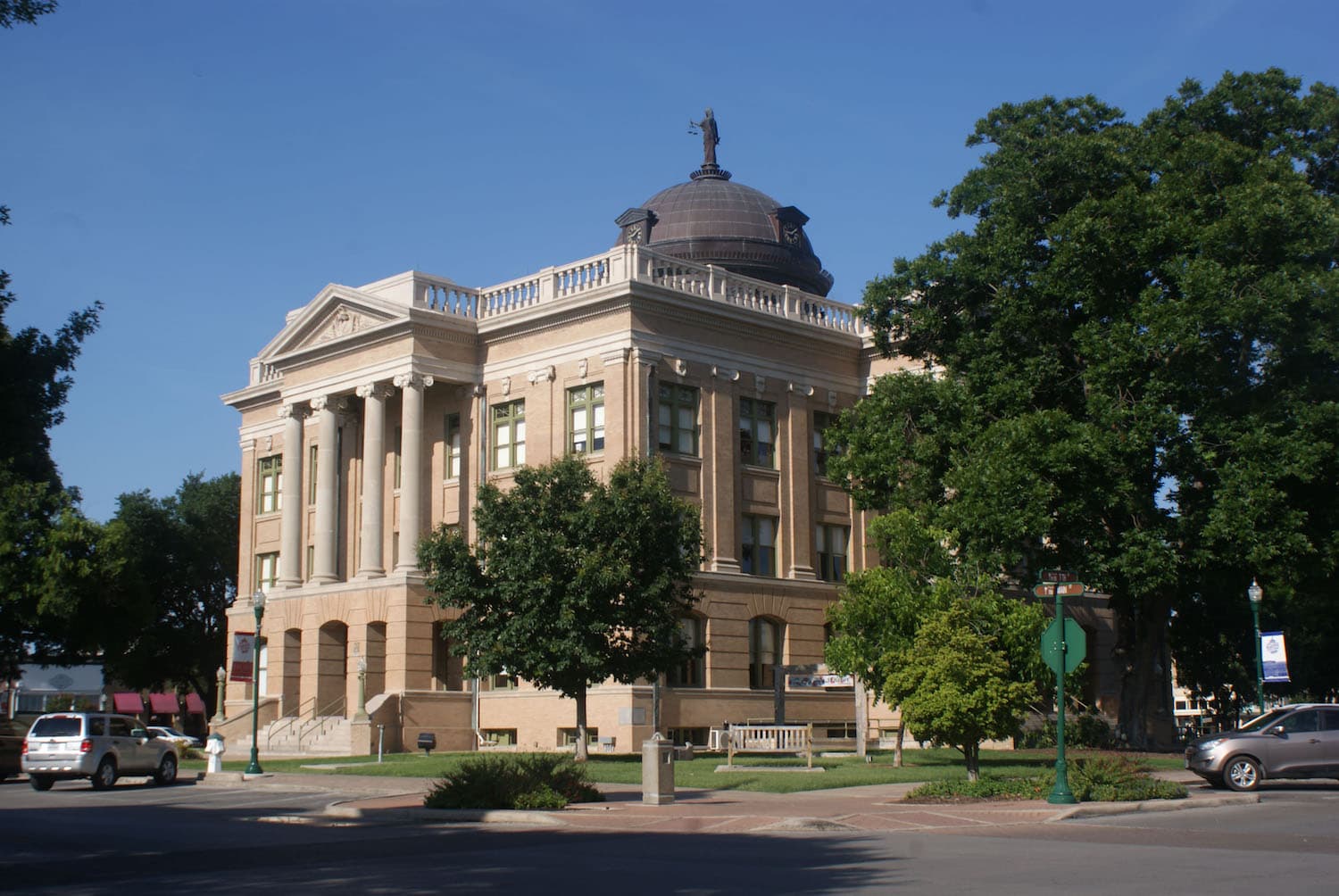
The way I see that [is] we, even at the county level, are stewards of this history. In this case, the courthouse and the other properties that we have right now. And just making sure that's preserved.
But a lot of times ... it’s understanding that these buildings have a life beyond their original purpose and intended use. And so I know that at the county courthouse right now it's still being used as that and it may transition to something else once we build a new justice center, but maintaining and preserving that historical envelope and for not just our generation but future generations is very important. I take that seriously.
As we start to grow as a county, I think it was a very smart decision to realize that we just couldn't grow in the downtown property. We were landlocked and limited to be able to do the right thing there.