A potential 2026 bond totaling hundreds of millions of dollars is moving forward, as some city staff and elected officials have suggested a pause on the process.
The big picture
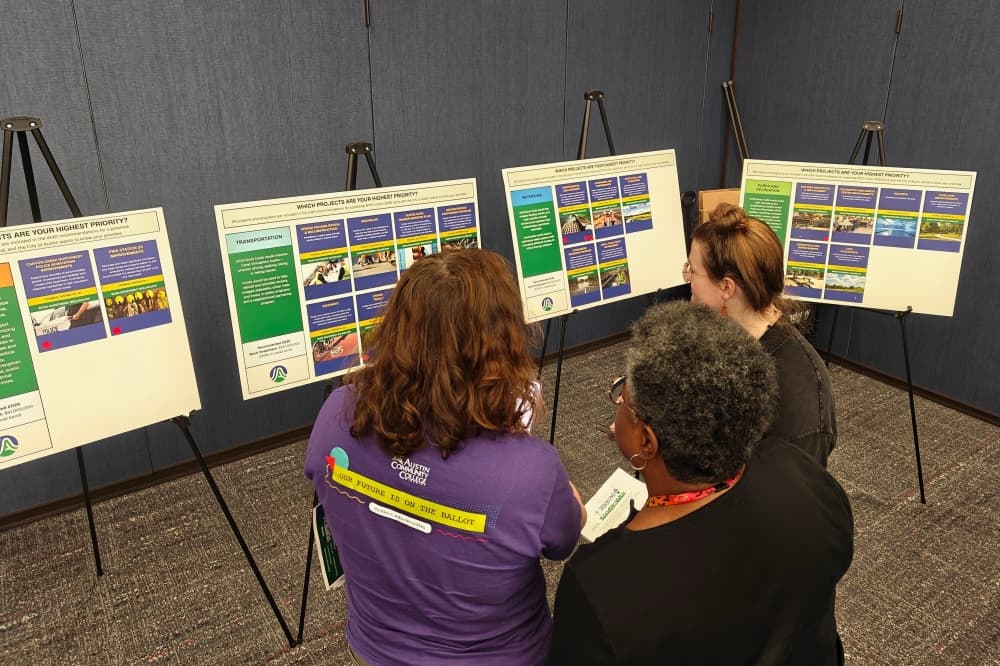
City Council asked to develop a 2026 bond two years ago, resulting in several recommendations for a package this spring ranging from $390 million to nearly $770 million.
Elected officials also set a new framework for when they should order bond elections based on Austin's financial position. And while city finance staff had previously suggested capping the size of a 2026 program due to government debt capacity, weeks ago they recommended against any vote in 2026 in favor of a broader 2028 package.
Officials have been split over whether a 2026 bond is needed and how much funding should be included. This spring, they voted to revise finance policies to allow for new bonds even if some past bond projects aren't completed. They also formally advanced the 2026 bond's development ahead of a final election decision.
Zooming in
Through the 2000s, comprehensive bond elections were held every six years to fund projects like mobility, parks, public safety and drainage improvements. The most recent comprehensive bond passed in 2018.
In addition to the bigger measures, voters have also approved subject-specific items like 2016 and 2020 mobility bonds and a 2022 affordable housing bond. City staff have reported Austin's pace of bond elections is relatively unusual compared to other large Texas cities, and more than $860 million from the most recent comprehensive and standalone packages has yet to be spent.
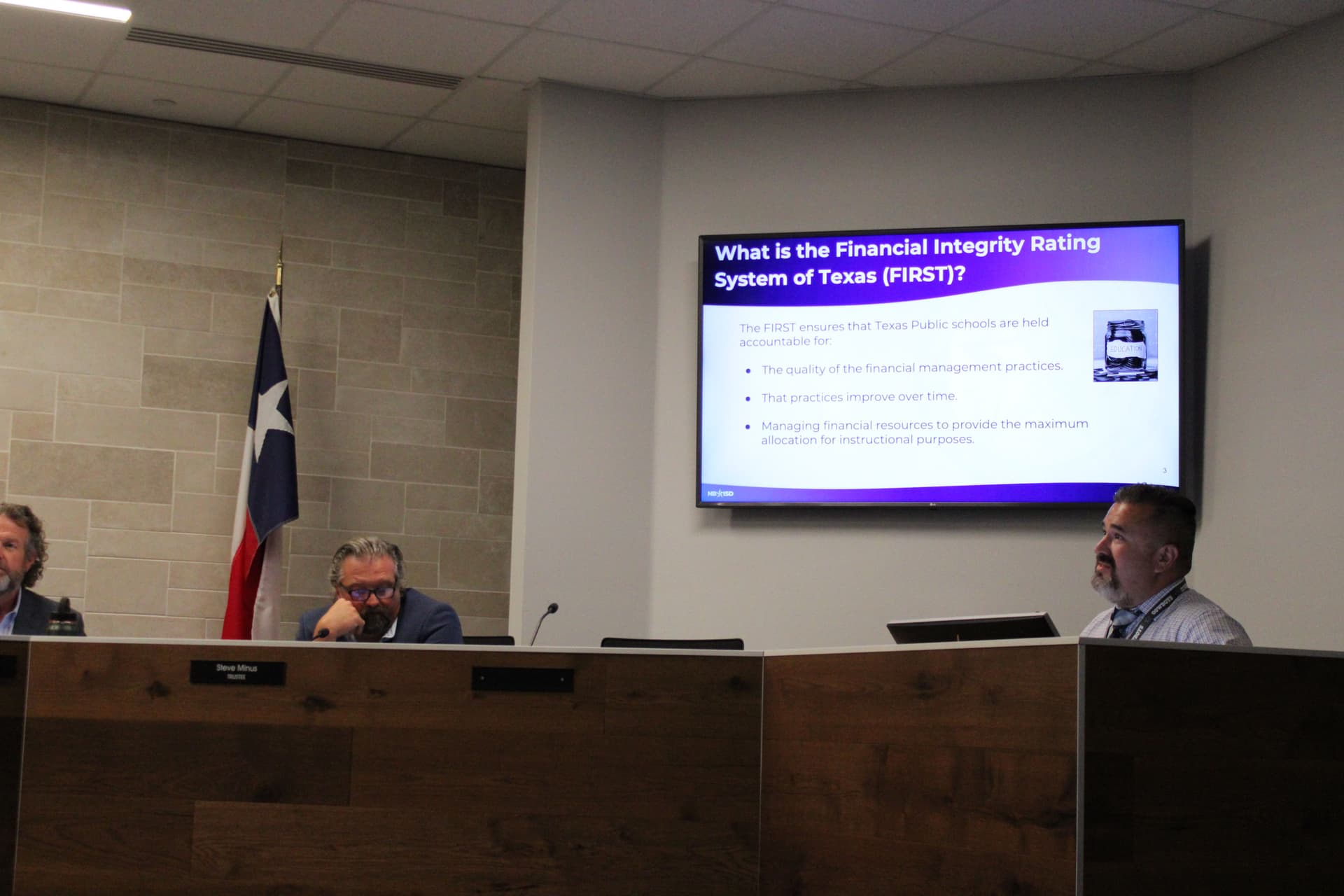
Civic finance policy called to limit bond election timing based on the level of unissued past bonds, stating elections shouldn't be held if at least two years' worth had yet to be sold. Recent city councils "drifted" from those practices, Mayor Kirk Watson said, leading today's officials to face the question of funding a delayed round of public upgrades in line with Austin's own rulebook.
"In the past, if the policies inconveniently got in the way of an election, councils just held an election anyway," he said. "That’s what created our current difficulty."
However, council amended the timing limit on May 28 to refer to groups of bond-funded projects rather than full programs overall. Now, new elections can proceed under the policy if about 90% of bond funds within a particular project category have been used. For example, although significant mobility bond dollars remain, Austin has nearly used up funds on sidewalk programs specifically and could now include further funding for those kinds of projects in a new package.
That change passed with Watson and council member Marc Duchen, both of whom have expressed skepticism about a 2026 bond, voting against.
“If we only support financial guardrails until they become inconvenient, then we shouldn’t be surprised when the public questions whether we really mean them, and frankly, whether we can be trusted," Watson said.
The approach
Officials also advanced a resolution from council member Ryan Alter that directs city management to prepare a 2026 bond package for review this summer. It will be based on a $390 million outline developed by staff this month with a main focus—$250 million of the total—on city park improvements and parkland acquisitions.
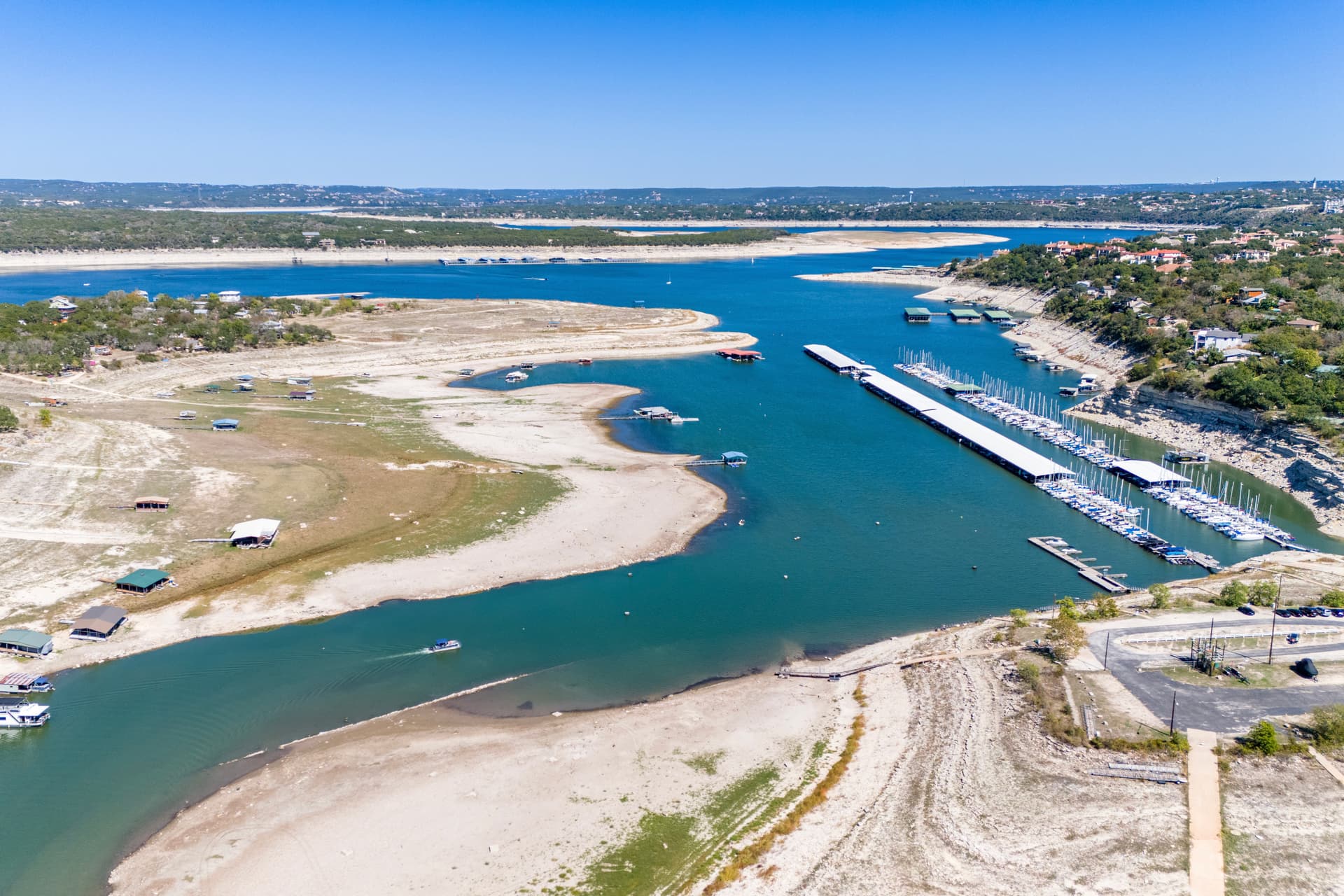
That baseline proposal also included $92 million for transportation projects like sidewalks, bikeways, trails and other upgrades. Public facility projects would also receive $48 million including the Hampton Branch library expansion in Oak Hill, improvements at the Austin Animal Center, and a new homeless shelter.
That bond blueprint may still be adjusted. Council's May vote only set up more consideration of that plan in the summer, and officials may add or remove projects ahead of a mid-August deadline to call an election.
“Basically, build the menu and let us come back in July and have that ultimate discussion of, should we do this? Is it in compliance with policies, with the decision tree? And is it the right decision in terms of asking the voters, to put that before them and ... make those investments?” Alter said.
His resolution passed 6-2-1, with Watson and Duchen against, council member Krista Laine abstaining, council member Vanessa Fuentes on parental leave, and council member Natasha Harper-Madison absent.
Put in perspective
In advancing both updates in May, several city officials expressed their support for a parks-forward bond as past funds for new parkland and facility upgrades are drying up.
“Parks are one of the amenities almost universally enjoyed across our community, and our green spaces, our play spaces and our open spaces are a big part of what makes Austin great," council member Mike Siegel said.
On the other hand, Duchen said he'd been informed by parks staff that well below $100 million in new funding could serve as a "bridge" to a full 2028 bond. He also said council's support for the 2026 bond outline may implicitly set Austin up for another bond in 2028, contrary to officials' recent moves to review city spending and limit bond elections.
"We’re perpetuating this 16-year cycle where every two years, apart from a gap in 2024, we’ve basically asked voters to pony up money for different things. And I think we’re seeing the results of some fatigue on that," he said.
Watson said a 2026 bond would conflict with established financial policies, including the council-approved election decision tree, and could further impact public trust in City Hall after last year's failed tax rate election.
“I don’t believe we’ve yet done enough to justify asking the voters this quickly for additional debt while we remain outside the financial alignment that we acted like mattered," he said. "In fact, asking them when we’re out of alignment and when we’re changing policies that perhaps get us to the result we want, I think risks adding to the distrust and the lack of confidence.”