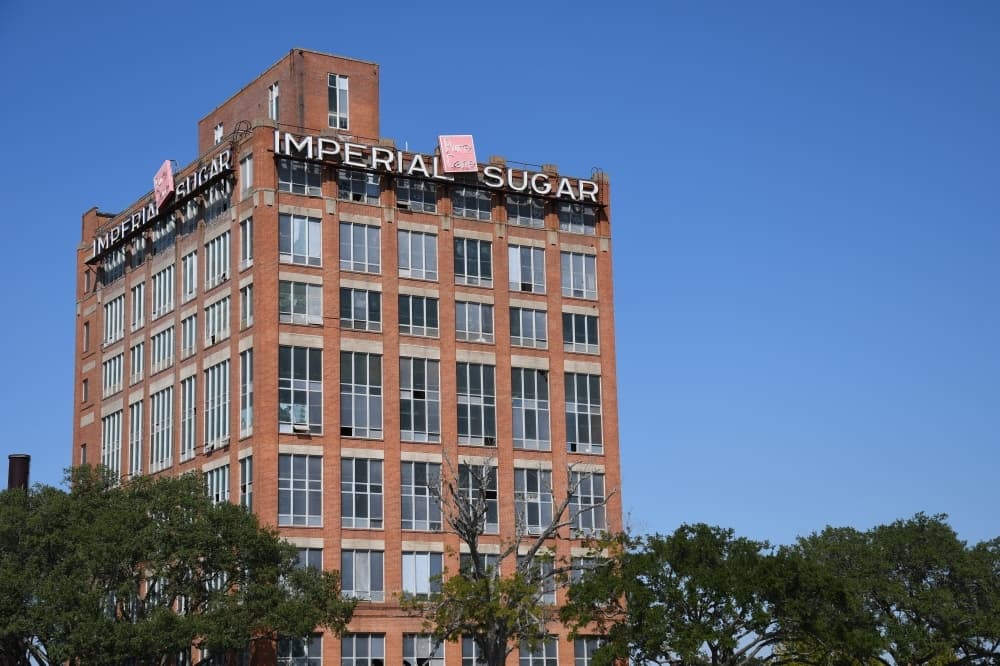
Sugar Land City Council heard the first draft of a guiding plan for the Imperial Historic District’s redevelopment at a Jan. 20 meeting.
Zooming in
The plan follows several planning sessions hosted by the city with urban design firm Town Planning & Urban Design Collaborative for the project from Nov. 3-6, allowing residents the opportunity to shape the future of the city’s historic district.
TPUDC Founding Principal Brian Wright said the plan was established to:
- Help create a cohesive vision and goals for the site
- Explore market-realistic options for the Char House’s future
- Craft a strategic vision report for the city
“[This] is so the developer’s not guessing,” Wright said.
Wright said the project's main goals include:
- Telling the district’s story, which could be reflected through history in public spaces, art, self-guided tours or interpretative signage
- Creating a lively district, which could include a mix of income-generating and experimental businesses, office spaces and housing
- Designing the district for gathering, which could include a variety of housing options such as live/work buildings, townhomes and multifamily apartments
- Connecting and enhancing mobility with a goal of connecting the district to the Imperial neighborhood, Mayfield Park, The Hill, Constellation Field and the development across Highway 90A, which could include shaded sidewalks, safe crossings, non-vehicular options to move across the district and optimization of traffic distribution
Wright said prevailing sentiment also showed a desire to preserve and activate the Char House, with ideas including turning the building into a:
- Museum
- Hotel
- Food hall
- Event space
- Lookout point
Phase 1 of construction is expected begin in late 2026 and last 18-24 months.
The city aimed to reach all Sugar Land residents, businesses and stakeholders for input through grassroots marketing, signage and digital promotion. They also used Zencity—a program that helps them track social media sentiment—to find that 79% of posts and interactions related to the redevelopment were positive, Jessica Huble, assistant director for the Sugar Land Department of Redevelopment, said
What they’re saying
Given the expected timeframe of the project, the report needs to include room for flexibility, At-Large council member Jim Vonderhaar said.
“We all recognize that this is going to be a multiyear project, 10 or 20 years, potentially,” Vonderhaar said. “We all know that during a time period that long, things are going to change a lot. That needs to be recognized and acknowledged in this report.”
How we got here
Since 2003, multiple attempts to redevelop the district have failed, Community Impact reported, the most recent being Houston-based entrepreneurial firm PUMA Development’s $1 billion proposal to turn the area into a mixed-use project featuring retail, entertainment, offices and housing in December 2022. Huble said the steps on the road to the city’s acquisition included:
- 2003-24: Multiple unsuccessful projects led by private developers
- May 2024: Redevelopment tour in the Austin area
- August 2024: PUMA project stalled, alternative options prepared
- November 2024: Acquisition and master developer model presented to City Council
- February 2025: City Council approved to move forward with acquisition
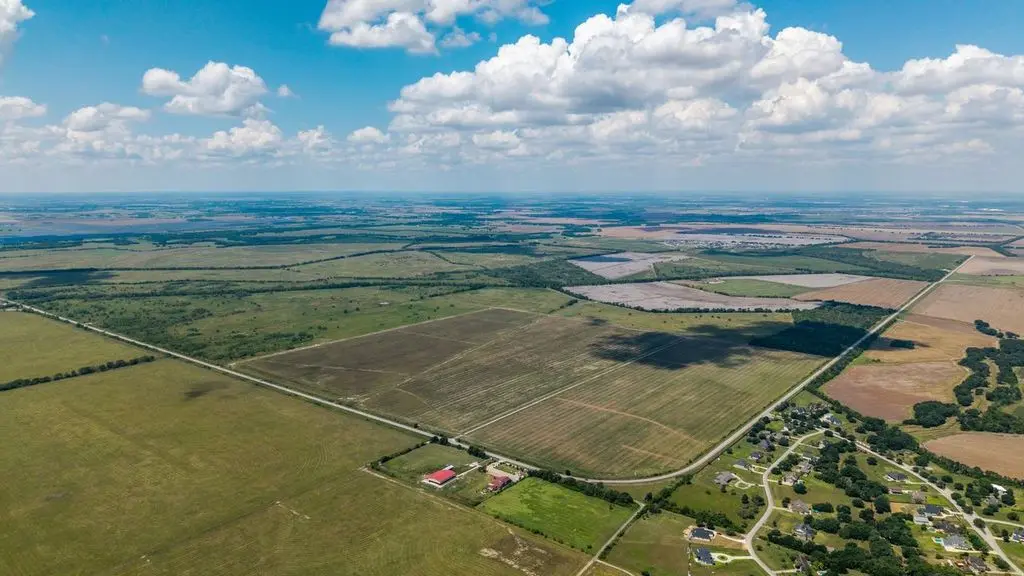
- June 2025: City secures ownership of about 40-acre district, located north of Hwy. 90A and east of Ulrich Street
After a week of presentations and open studios at the city’s November planning sessions, Wright said city residents established a desire to hold onto the district’s historic elements.
“That will be sort of a foundational thing, because that's the thing currently that makes you uniquely Sugar Land,” Wright said. “If we don't feature that, we've kind of missed an opportunity to distinguish you all from every place else.”
Wright said a market and feasibility analysis conducted in May 2025 found many near-term options for the district, with the most feasible options including:
- Medium-scale residential. such as townhomes, low-density multifamily and mid-density multifamily
- Small-scale or neighborhood-serving retail
Meanwhile, the least feasible options include high-density multifamily, offices or a hotel, Wright said.
Wright also presented several art-related options for the district, including the creation of historic art, street art, sculptures and local artisan features.
What’s next
City officials will bring the guiding plan back to council in February to adopt the vision, Huble said.
After approval from council, the city will put out a request for qualifications from developers interested in the project, which will be presented to the Economic Development Committee, before narrowing down two final options for City Council to review. Both chosen developers will be asked to share a proposal, which will include financial details, before a finalist is selected, Huble said.