Fort Bend County is undergoing its first air quality study to determine how air pollution varies across the county.
What residents need to know
Fort Bend County Health and Human Services has partnered with The University of Texas at Austin and UTHealth Houston School of Public Health to conduct a three-week study to measure the county’s air quality at a neighborhood level.
The $100,000 study aims to support county public health initiatives by providing a baseline assessment to guide future air quality solutions, officials said in an April 7 news release.
How it works
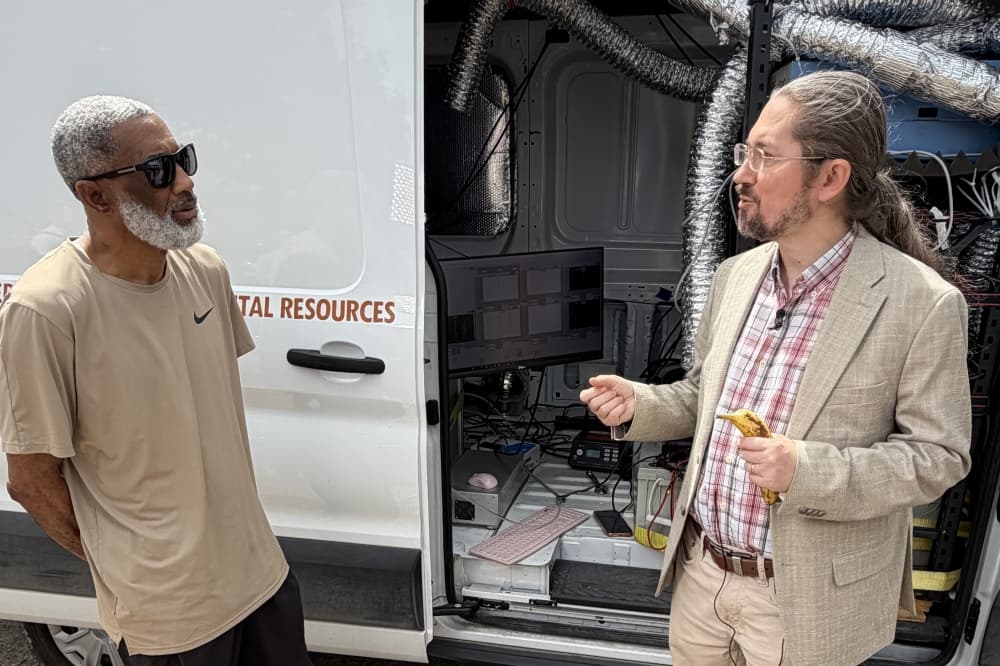
Daniel Sung, a Ph.D. student at The University of Texas at Austin, said the study is a mixture of stationary and mobile monitoring over the three-week period.
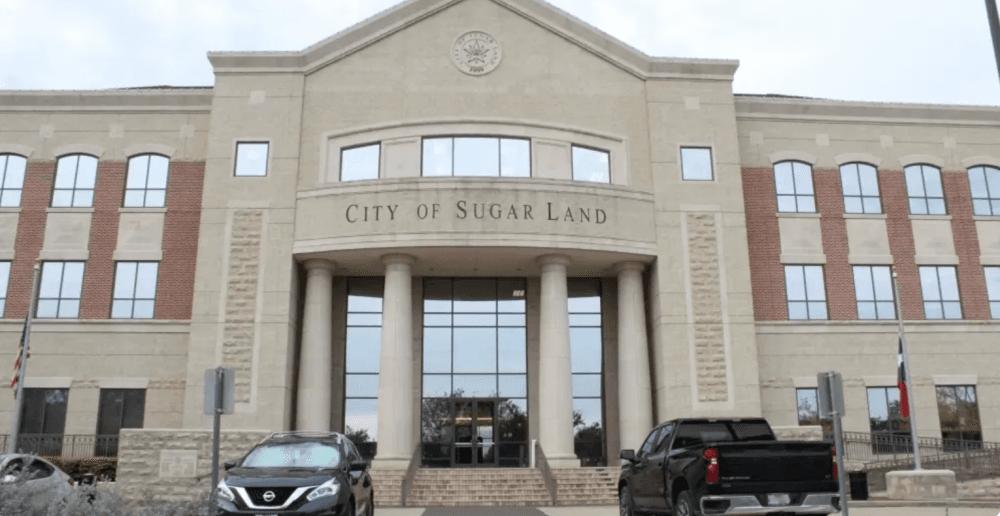
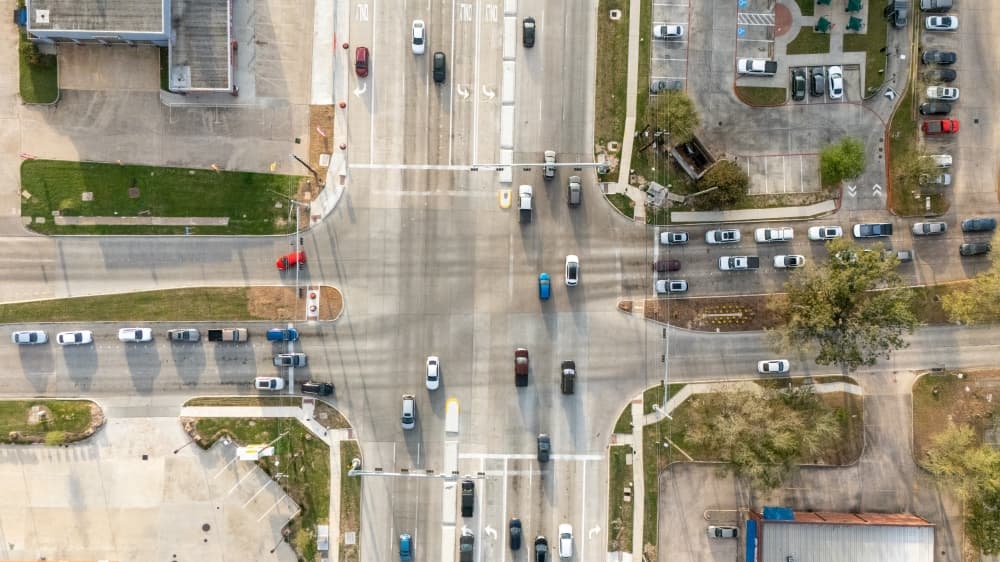
Since arriving April 17, Sung said researchers have driven around in an electric van on set routes in Sugar Land, Missouri City and Rosenberg with plans to drive in the south and east sides of the county during the last week of the study.
The van contains a computer monitor and a Vocus mass spectrometer, “a highly accurate, real-time monitoring system, capable of measuring more than 1,000 air pollutants while in motion and at fixed locations,” per the release.
Officials will look into several variables like time of day, day of the week, temperature as well as both indoor/outdoor air pollution while tracking pollutants, including:
- Ozone
- Fine particulate matter
- Nitrogen oxides
- Carbon monoxide
- Sulfur dioxide
- Volatile organic compounds
“Our ultimate goal is to combine all these different pollutants we’re measuring into one data set with our GPS and then find the temporal spatial pair,” Sung said.
The background
Dr. Letosha Gale-Lowe, local health authority and Fort Bend County health and human services director, said the study came about when a resident reached out to share their concerns for the air quality as the county continues to grow.
“We need to understand how air pollution varies from neighborhood to neighborhood, and by using advanced mobile air monitoring equipment to identify pollution hotspots, we are gathering high resolution data that’s necessary to make informed, data-driven decisions,” Gale-Lowe said.
Next steps
Following the study’s completion, Gale-Lowe said data analysis will be performed before a final report is released in mid-2026.