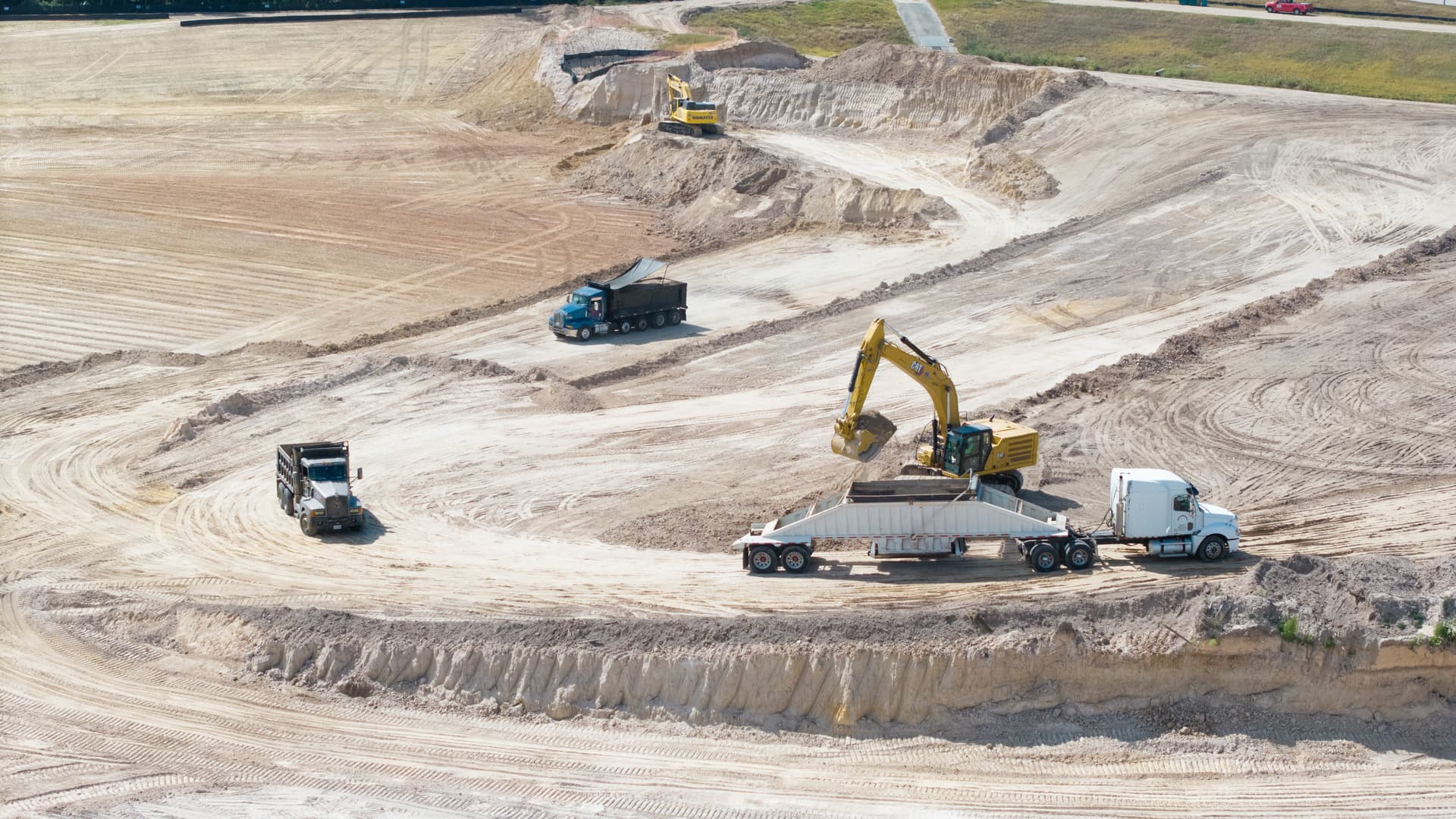
Construction recently began on a stormwater detention basin in Klein—under pressure from funding deadlines and to the disappointment of local trail users.
Current situation
The T.C. Jester Stormwater Detention Basin, which is expected to have about 1,200 acre-feet of storage, began construction in March, Harris County Flood Control District officials said. The basin is one of 11 disaster recovery projects the HCFCD is managing with federal funds granted in the wake of Hurricane Harvey.
Melissa Meyer, the HCFCD deputy executive director, said that though the basin “can never completely eliminate flooding,” it will help reduce the risk. The basin’s total storage is equivalent to 1,200 football fields covered in one foot of water, she said.
“Every single drop of rain that comes to this pond, that’s held while the bayous are full, is water that would have otherwise been in the streets and potentially in other structures,” Meyer said.
In September, the county’s disaster recovery and flood mitigation projects were granted a one-year extension. The extension will allow the HCFCD to use specific federal funding set aside for this disaster recovery project.
Before that decision, the T.C. Jester basin was at risk of missing a state spending deadline that could have jeopardized its access to the federal grant money for the first phase.
The basin has three phases. The first, 1B, began construction in March and is slated to be completed in March 2027. The second phase—compartments 1A and 2—is set to begin construction before the end of the year, with completion projected by April 2027. The third phase, the west compartment, is expected to begin construction in July 2027 and finish in 2028.
How we got here
In the wake of Hurricane Harvey, which devastated the Greater Houston area in 2017, the U.S. Department of Housing and Urban Development allocated funding for disaster recovery and flood mitigation projects. The Texas General Land Office has the responsibility of disbursing the Community Development Block Grants, or CDBG, for projects throughout the state.
The county's basins have several funding sources, from federal CDBG money to local allocations.
After Hurricane Harvey, Harris County received $322 million from HUD for its disaster recovery projects, according to previous Community Impact reporting. The county’s 11 projects previously faced a February 2027 deadline, but in September, Texas Land commissioner Dawn Buckingham announced a one-year extension, moving the dates for disaster recovery and flood mitigation projects back.
The extension will allow the T.C. Jester basin to use all of its disaster recovery funds instead of pulling money from alternate sources, Meyer said. The basin’s first phase was set to finish construction after the original deadline—March 2027—which could’ve jeopardized the funding. Buckingham previously warned Harris County that the GLO could move to reclaim any funds that aren’t spent by the deadline.
The T.C. Jester basin will work in tandem with about 24 other detention basins in the Cypress Creek watershed, which spans northwestern Harris County. Once completed, they will hold stormwater during periods of heavy rainfall, helping to mitigate regional flooding risks.
The property was initially identified as a potential site for a detention basin in a study about 10 years ago, which found a need for about 15,000 acre-feet of stormwater storage in the watershed, said Eric Heppen, Harris County Precinct 3’s engineering director.
Zooming in
As construction takes place, unsanctioned trails on the property have been shut down. The trails, which local mountain bikers use, have been maintained on the property for more than 20 years, said Kevin Highfield, the Greater Houston Off-Road Biking Association's advocacy and outreach director.
For Ace Tejada, a biker and homeowner near the basin, the construction is bittersweet. The trails have helped build community, Tejada said, but he is also glad to have an additional flood mitigation measure.
“Yes, we’re squatting, but I’d like to say we’re providing some kind of value for the community,” Tejada said.
Because of restrictions on the funds it receives, the HCFCD can’t build trails or other public recreation features, Meyer said. That is left up to partners after the HCFCD completes the basin, she said.
Those plans are on pause for now, Heppen said, because the HCFCD has asked the precinct to hold off on planning park facilities until the project is further along.
The takeaway
With an extra year to meet the GLO’s spending deadline, Meyer said the HCFCD is working full steam ahead.
“The project was gonna be completed either way, but because of the one-year extension, we’re able to fund the entire thing with [those] DR [disaster recovery] funds,” Meyer said.