



The Texas Association of School Business Officials estimates that between 50% to 60% of the state's school districts are facing budget deficits, even as the state maintains a $23.8 billion budget surplus.
“We are going into the red and facing a budget deficit despite not making any additional expenditures. I remember when this was happening years ago and asking the school district CFO how this could be possible when we were in the black the year prior,” said David Hornberger, Alamo Heights ISD board of trustees president. “We are facing the same inflationary costs that Texans are seeing across the state. School districts are struggling because of funding formulas.”
Funding challenges
The state’s basic allotment—the foundation of per-student funding—has remained at $6,160 since 2019, covering only a portion of school operating costs. Through the Foundation School Program—the state’s primary funding system that allocates money primarily based on average daily attendance, local property values, and student needs—additional allotments bring the average per-student funding for operations to approximately $10,800, according to Texas Education Agency data.
However, Texas still ranks 46th in the nation for per-student funding, falling $4,400 below the national average, according to Raise Your Hand Texas.
“When you look at what school districts are down, it's about $9.8 billion per year. In a state that has a two year budget, $20 billion is needed just to keep up with inflation since 2019,” said Bob Popinski, senior director of policy for Raise Your Hand Texas. “There would need to be a $1,300 to $1,400 increase to the basic allotment to help meet the $9.8 billion shortfall per year. Legislation filed in the Texas House would provide a $220 increase to the basic allotment. The Senate has filed legislation to provide teachers a pay raise, but not to provide schools additional flexible funding to help meet operational costs.”
An additional layer of financial complexity is the recapture system, designed to narrow funding disparities between wealthy property value versus low-wealthy property value school districts, ensuring all districts, regardless of local property wealth, receive a fair share of funding. When districts with higher property values exceed the approximate $10,800 per student entitlement, the excess becomes recapture money, sent back to the state. Currently, recapture totals about $2.8 billion per year and could increase with rising property values, according to Popinski.
Compounding the problem, while recapture originally was intended to reduce disparate funding across school districts, it is now used as a source of revenue for the state’s general fund, which allows the state to use the funds at its discretion, even spending the money on non-education items in the state budget.
School districts across Texas are also grappling with mounting financial pressures as inflation drives up operational costs. Rising fuel prices have significantly increased transportation expenses, while higher utility costs strain already aging facilities. At the same time, food service programs are struggling to keep meals affordable amid inflationary pressures.
Legislative gaps
Beyond the challenges of inflation and stagnant funding, Texas school districts are also struggling to meet costly unfunded or underfunded state mandates, evolving student needs, and lower student enrollment.
The expiration of federal COVID-19 relief funds, including Elementary and Secondary School Emergency Relief funds, has left districts struggling to bridge budget gaps for programs that temporarily depended on these resources.
“Last year, the COVID-19 funding went away by federal law, but the state mandates that were adopted during the COVID-19 period did not,” Popinski said. “Schools used to rely on these federal COVID-19 funds to support these mandates, but now they’re having to find new ways to pay for them while many districts are already facing budget deficits.”
A key mandate under House Bill 3, passed in 2023, requires all school districts to have an armed security guard on every campus. However, the increase in the school safety allotment was minimal—just $0.28 per student and $15,000 per campus. This amount falls significantly short of the $90,000 to $100,000 it typically costs schools to employ a security guard at each campus.
Both the House and Senate initial budget proposals this session provide $400 million over the next two years for school safety funding.
Meanwhile, the number of students enrolled in special education is on the rise in Texas, placing additional strain on district budgets. Increased awareness and improved screening have led to more students being identified, but state funding has not kept pace with growing needs. As a result, districts must stretch limited resources to meet legal requirements, often making difficult decisions about staffing and support services.
“Public schools bridge the gap for families who don’t have access to essential resources, giving many Texas children a fair chance at success. If funding for school districts continues to shrink, opportunities diminish for those who need them most,” Hornberger said. “While some families have alternatives, many rely solely on public schools. Insufficient funding threatens education and vital student services, with ripple effects across communities and the state.”
This gap could be narrowed if House Bill 2, filed this session, is passed. The bill would increase special education allotments, including providing $1,000 to school districts for each initial evaluation.
Many districts are also facing declining student enrollment, further complicating budget challenges. Fewer students mean reduced state funding.
“Students moving to charter schools and the current birth rate are major contributing factors to enrollment decline in school districts,” Popinski said.
This issue could be worsened if Senate Bill 2 is passed into law during the 89th legislative session. As of press time, it subsidizes families who send their children to private schools, or who wish to send their children to private schools, by offering $10,000 annually per student for tuition and other educational expenses and $11,500 for students with disabilities.
Impacts of insufficient funding
If funding does not increase, school districts across the state will face greater strain, leading to budget cuts that could include shutting down campuses, increasing class sizes, reducing or eliminating programs such as art and music, cutting transportation services, and other essential services, ultimately impacting students directly.
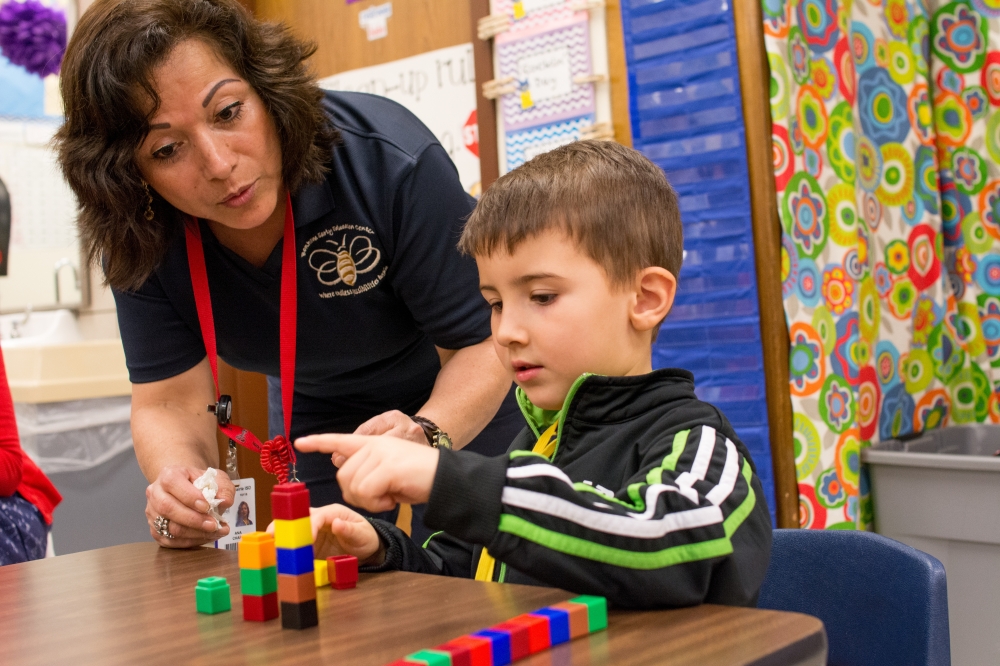
"Every decision we make—whether absorbing costs or making cuts—will impact the experience of our professionals on campus,” Hornberger said. “We're doing everything we can to protect our students' experience, but with 90% of our budget dedicated to personnel, there’s only so much we can adjust before we have to start making difficult decisions about staffing. At some point, the strain becomes too much. It’s already impacting our classrooms - we are seeing increased classroom sizes.”
Ultimately, the cumulative effect of these cuts could reduce the overall quality of education that students receive.
Legislative policy changes
As the 89th Texas Legislature continues, some of the changes Raise Your Hand Texas and school districts would like to see considered include:
- Increase state funding for public schools, and update the basic allotment funding amount to account for inflation of $1,300 per student.
- Incorporate an annual automatic inflation adjustment mechanism into school funding formulas.
- Increase teacher compensation and benefits package by approximately $15,000 to attract and retain teachers.
- Fully fund full-day pre-K
- Reinvest state savings due to local school district property value growth back into public schools
Texas residents who want to learn more about funding public schools and the overall mission of Raise Your Hand Texas should sign up to advocate for public schools during the upcoming session with Raise Your Hand Texas. To stay up to date on the Texas Legislature, visit the legislature’s website here.
The above story was produced by Community Impact's Multi Platform Journalist Chloe Chapel, with information solely provided by the local business as part of its "sponsored content" purchase through our advertising team.